
The illustration depicts a woman running on a ribbon.
INMOTION 01 Oct, 2026

Exercise as medicine: from cancer diagnosis to recovery

For cancer patients, adding exercise into their lives at a time when they are dealing with a cancer diagnosis and the whirlwind of surgery, treatments and management that follows might seem one step too far. The evidence, however, is mounting in favour of exercise as a critical component of cancer therapy.

Related articles:
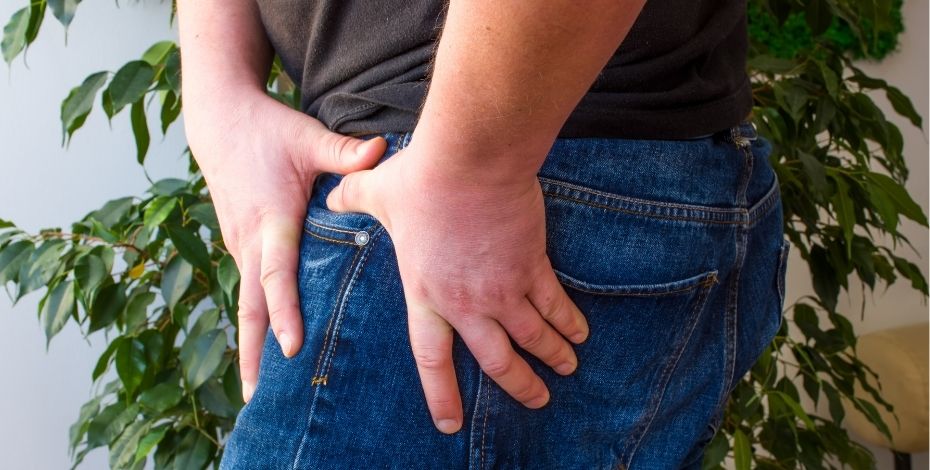
A man in jeans is holding the front of his hip/thigh.
INMOTION 29 Sep, 2026

Strengthening versus stretching for FAI syndrome

HIP PAIN Exercise can improve quality of life for people with the common hip condition femoroacetabular impingement syndrome, according to a newly published study.

A recent clinical trial led by Professor Joanne Kemp FACP (left) at La Trobe University has examined the outcomes of two different exercise-based, physiotherapist-led interventions for femoroacetabular impingement (FAI) syndrome. 

A person doing laps in a pool
INMOTION 29 Sep, 2026

Swimming for back pain

A recipient of a 2024 Seeding Grant has recently published her research into how swimming can reduce disability from chronic low back pain.

Deb Wareham APAM is a researcher and postdoctoral fellow in the Spinal Pain Research Centre at Macquarie University, Sydney, and the recipient of a 2024 PRF Seeding Grant for her research exploring the effectiveness of swimming for combating chronic low back pain. 

Adult students sit listening to their teacher
INMOTION 24 Sep, 2026

Courses for you

The APA runs a significant number of professional development courses throughout the year, both face to face and online. Here are some highlights among the upcoming courses.

A person holding an arrow pointing upwards
INMOTION 24 Sep, 2026

Advances through deeper understanding

Scientific editor Mark Elkins provides a summary of the research found in the October issue of the Journal.

Low back pain remains stubbornly difficult to treat, with available treatments generally producing only modest short-term improvements for people with chronic non-specific low back pain. 

An editorial in the October issue of Journal of Physiotherapy proposes that one way forward may be to rethink how we understand pain itself, using an emerging neuroscience framework called active inference. 

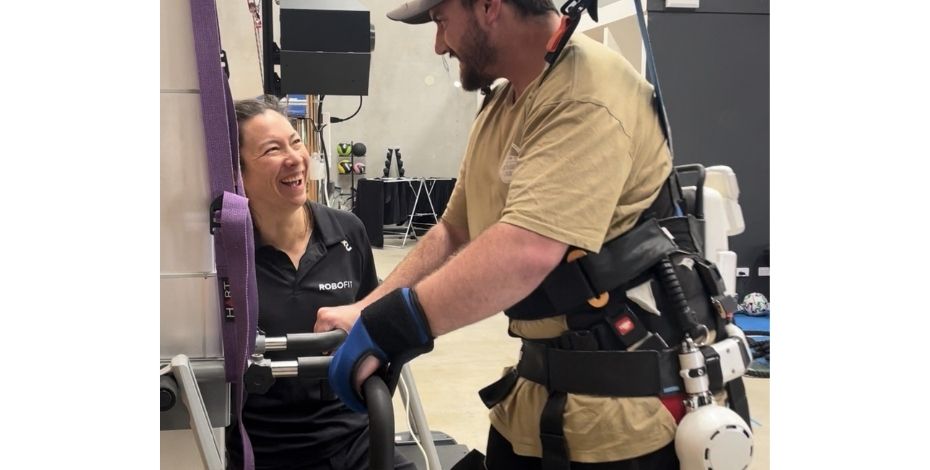
Jess Reid using the exoskeleton technology with a patient.
INMOTION 23 Sep, 2026

Rethinking robotics

At the Queensland Branch Awards on 14 November, keynote speaker Jess Reid from RoboFit will discuss how electromyography-triggered robotics is changing outcomes for her patients. Chloe Pignéguy reports.

Jess Reid

Jess Reid APAM never expected to build a career around robotics. 

A mentor and mentee chatting
INMOTION 23 Sep, 2026

Support and mentoring in practice

A recent recipient of a 2025 Seeding Grant is exploring the perspectives and preferences of early-career physiotherapists, employers and supervisors on support and mentoring in the foundational years of professional practice.

Dr Marita Dale APAM is a senior lecturer and researcher at the University of Sydney. 

While her main area of research is in cardiorespiratory physiotherapy, she has a particular interest in qualitative research. 

An outline of a girl next to blue and orange light
INMOTION 01 Sep, 2026

Designing the behaviour, not just the exercise

Recent APA discussions have highlighted the important role of behaviour change, empathy and personalised communication in exercise prescription. Pete Haynes builds on that foundation by focusing on the next practical step: how physiotherapists can help patients turn advice into action.

Physiotherapists prescribe behaviours every day: exercise, walking, pacing, symptom monitoring, sleep routines and gradual return to valued activities. 

These recommendations may be clinically sound but they still have to survive real life. 

The image is an illustration of a builder's scaffold.
INMOTION 01 Sep, 2026

Building stronger foundations for stroke care and rehabilitation

The recent launch of the updated Stroke Clinical Care Standard, coupled with the Stroke Foundation’s Living Clinical Guidelines for Stroke Management, provides Australian physiotherapists with a comprehensive, evidence-based framework for best practice care. Here, the two sets of recommendations are examined to understand how they work together and what physiotherapists should know about them.