
Chronic health and disability

Graphic of a human brain
INMOTION 02 Sep, 2024

Encountering dementia with confidence

There is a growing need for increased awareness of dementia among physiotherapists and targeted clinical education. Joanna-lee Tan, Associate Professor Michele Callisaya, Stephen Quick, Cath Evans and Thomas Senyard offer a range of perspectives on this important topic.

People living with dementia can benefit greatly from participating in physiotherapy but there are a number of barriers to their accessing care.


Woman flexing her muscles
INMOTION 30 Jul, 2024

Upskilling physiotherapists to deliver cancer rehabilitation

Amy Dennett is investigating the development of a training package to help physiotherapists working in cancer rehabilitation.

Dr Amy Dennett MACP, a postdoctoral researcher and physiotherapist based at Eastern Health in Box Hill, has worked in the field for almost 15 years.

She quickly gained an interest in research, eventually focusing on oncology rehabilitation and physical activity, which became the subject of her PhD in 2018.

Physiotherapy for cancer rehabilitation is still something of an emerging field.

Image of a woman clutching her chest
INMOTION 30 Jul, 2024

Maintaining training-related gains in COPD

A group of physiotherapists and a psychological scientist in Perth collaborated on a systematic review to determine whether incorporating behaviour change techniques influenced the maintenance of training-related gains following completion of an exercise-training program among individuals with chronic obstructive pulmonary disease (COPD). First author, Sarah Hug, agreed to answer a few questions about the review.

What questions did your review seek to answer?

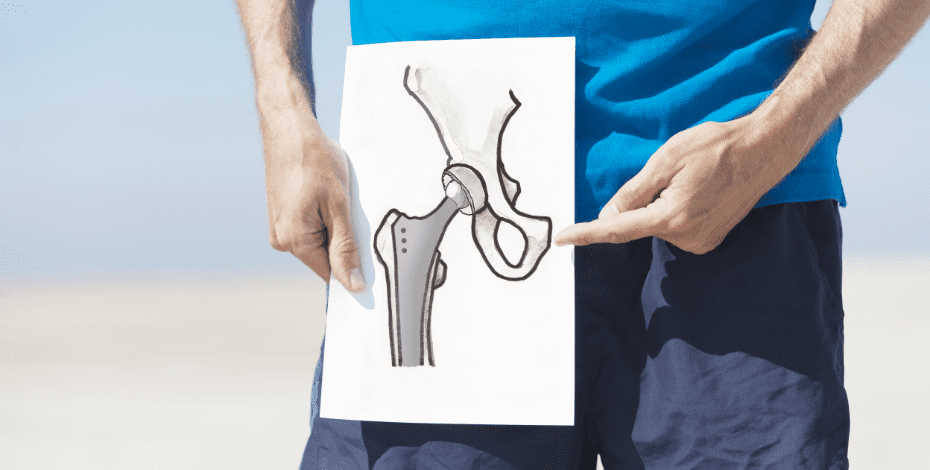
Person on beach holds hip diagram in front of their actual hip.
INMOTION 26 Jul, 2024

Failure to meet expectations following THA

A recent study by Australian researchers has looked at pre- and post-surgery expectations of patients with hip osteoarthritis (OA) undergoing total hip arthroplasty (THA).

The researchers were interested in determining which preoperative factors could predict unmet patient expectations for participation in sporting or recreational activity following THA. 

Secondary aims focused on preoperative factors predicting unmet expectations for pain relief and activities of daily living.

A man lies asleep in a hospital bed.
INMOTION 26 Jul, 2024

Therapeutic Supported Lying

PD PROFILE Denise Luscombe MACP and Bas Jansen APAM discuss the upcoming course they developed to aid physiotherapists in understanding and implementing therapeutic supported lying strategies.

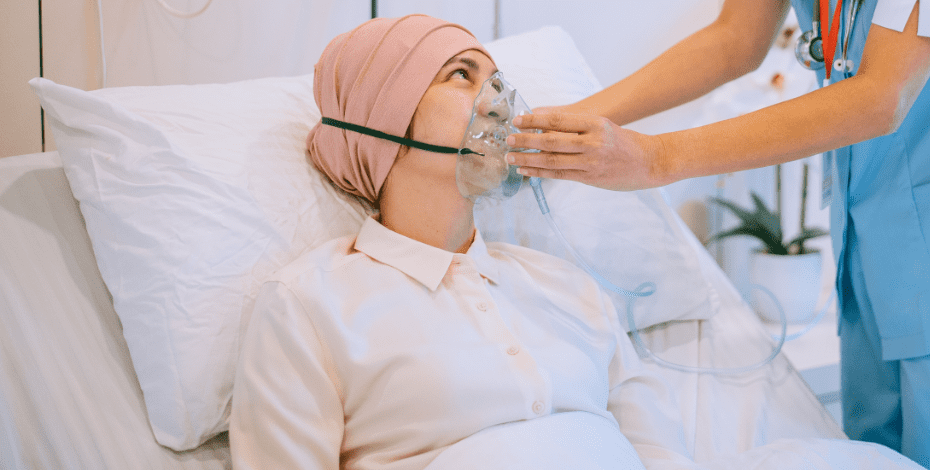
A nurse in a blue uniform adjusts a breathing respirator on a cancer patient.
INMOTION 01 Jul, 2024

Lung cancer toolkit for physios

PAT COSH GRANT Catherine Granger talks about her proposed lung cancer education toolkit for physiotherapists.

Lung cancer is the fifth most common cancer in Australia, with an estimated 14,800 Australians diagnosed with the disease in 2023.

Surgery is typically the first treatment option for early and localised cancer but patients can be left with significant fatigue, breathlessness and pain; reduced functional capacity and muscle strength; and poor health-related quality of life.

People looking at a maze
INMOTION 01 Jul, 2024

Five facts about sex and gender disparities in pain

Megan Clark and Dr Ruth Hardman of the APA Pain national group present five discussion points about the influence of sex differences (biological) and gender differences (personal and social identity) on the prevalence, experience and treatment of pain.

Abstract image of multiple spheres
INMOTION 01 Jul, 2024

Highlighting the latest research

Mark Elkins discusses some of the recent research published on a wide range of topics in the July issue of the Journal.

Improving adherence to home exercise programs

Dr Joshua Simmich and colleagues from The University of Queensland examine how physiotherapy delivered by real-time, video-based telerehabilitation compares to in-person delivery for the outcomes of attendance, adherence and satisfaction.

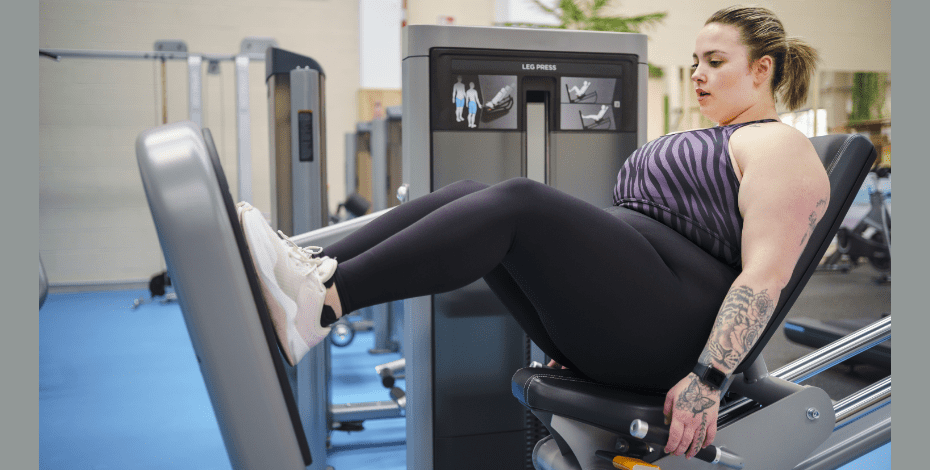
Woman performing resistance training
INMOTION 01 Jul, 2024

Neuromuscular control and resistance training for people with chronic low back pain

A clinical trial conducted by Australian researchers has shown that there is no additional benefit to including lumbar neuromuscular control retraining exercises to resistance exercises for people with chronic low back pain (CLBP).

Previous research has suggested that deficits in lumbar extensor neuromuscular control are associated with self-reported disability in people with CLBP and CLBP-related lifting dysfunction.

A figure of a person stands at the junction of a multipronged pathway to indicate many options are available to proceed.
INMOTION 01 Jul, 2024

New direction for knee OA care pathway

Public patients in Canberra with painful knee osteoarthritis conditions are now being filtered through a conservative management program designed to reduce the surgery waitlist and improve patient outcomes. In this first of two part series, we look at the community program helping to open up a new knee OA care pathway.

Knee osteoarthritis is a debilitating condition affecting millions worldwide, often leading to chronic pain and impaired mobility.