
Chronic health and disability

Graphic of magnifying glass over coloured squiggly lines that turn into straight arrows.
INMOTION 22 Jul, 2022

Knowledge helps to ease the pain

The Australian Pain Society’s 42nd Annual Scientific Meeting in Hobart in April celebrated the Global Year for Translating Pain Knowledge to Practice. InMotion catches up with some of the country’s leading speakers and presenters at the conference’s topical sessions, workshops and plenary and concurrent sessions.
A woman curls backwards very flexibly within a black square.
INMOTION 22 Jul, 2022

Switching on the lightbulb to see hypermobility disorders

A collection of physiotherapists with an interest in treating adults and children with hypermobility disorders hopes to raise awareness of the conditions. Juliet Hall, Sharon Hennessey, Pauline Slater, Clare Adams, Nicole Frost and Katie Cleary explain why screening of current clients for hypermobility spectrum disorder is important.

Hypermobile joints occur in approximately three to 25 per cent of the population.

They certainly aren’t always a bad thing.

A human brain with colour bars distorting across it.
INMOTION 22 Jul, 2022

Understanding FND

Sara Issak explains contemporary thinking about functional neurological disorder and the current approach to treatment, while Dharsha Petrie provides case studies and some advice on building a strong team to tackle the condition.

What is FND?

Functional neurological disorder (FND) is characterised by symptoms that are unexplained by neuropathology (Stone & Carson 2015).

Clinical symptoms demonstrate inconsistency during assessment and incongruence with known pathophysiological conditions (Daum et al 2014).

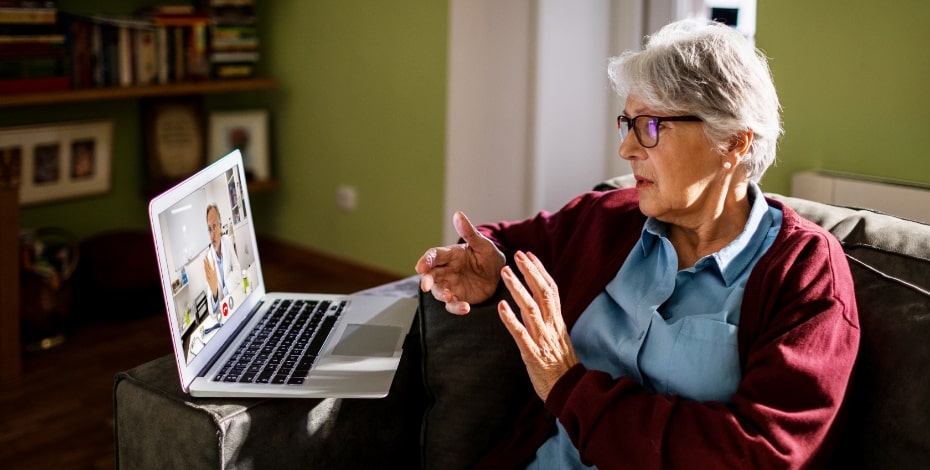
A woman consults a physiotherapist via telehealth on a computer screen.
INMOTION 22 Jul, 2022

Telerehabilitation for COVID-19 and long COVID

Physiotherapists Ricardo Kenji Nawa and Aléxia Gabriela da Silva Vieira and colleagues in Brazil recently published a systematic review of trials of telerehabilitation for people with COVID-19 or post-COVID conditions (more commonly known as long COVID).

What proportion of people with COVID-19 end up with persistent symptoms? Is it only those who are severe enough to be hospitalised who get long COVID?

Approximately 90 per cent of hospitalised patients with COVID-19 experience post-acute sequelae of COVID-19.

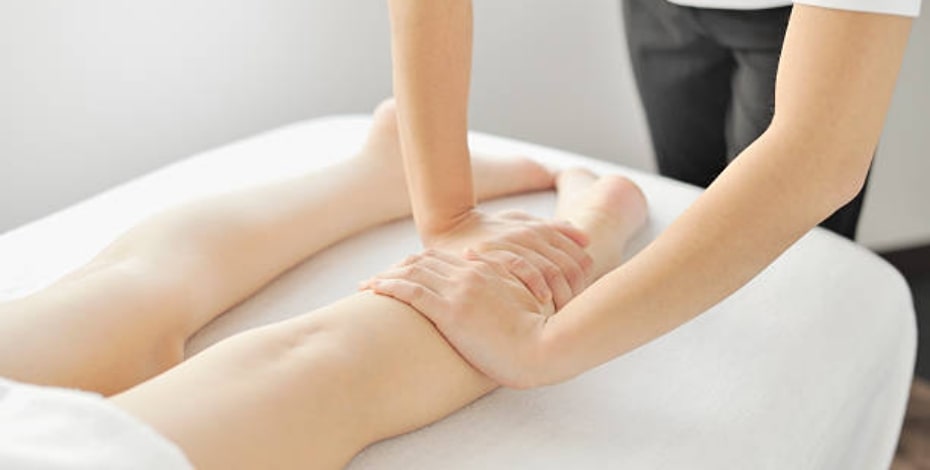
A physio treating a patient's calves.
INMOTION 21 Jul, 2022

Manual lymph drainage for lymphoedema

Lymphoedema occurs in about 16 per cent of people after breast cancer. According to the recommendations of the International Society of Lymphology (ISL), lymphoedema needs to be treated with decongestive lymphatic therapy (DLT), which consists of skin care, manual lymph drainage (MLD), compression therapy and exercise therapy. However, the value of MLD as a component in this regimen is uncertain. A Cochrane systematic review with six randomised trials did not demonstrate any added value from MLD.

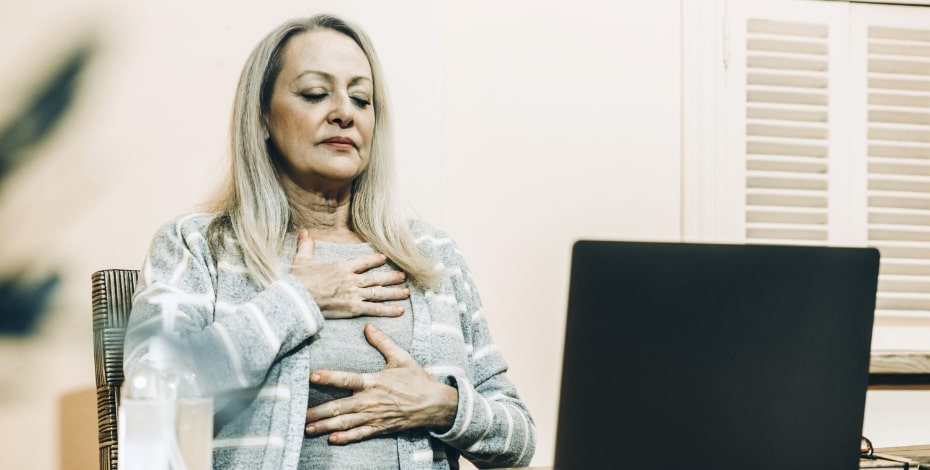
A woman sitting at a desk with her hands on her chest as if struggling to breathe.
INMOTION 21 Jul, 2022

Building a case for repeating pulmonary rehab

Dr Angela Burge is one of 2021’s PRF Seeding Grant recipients, for a project investigating the cost-effectiveness of repeating pulmonary rehabilitation in people with chronic obstructive pulmonary disease. She speaks to us here about the project.

Pulmonary rehabilitation is a well-established intervention for people with chronic obstructive pulmonary disease (COPD), with good evidence for its benefits.

A physiotherapist examines a patient's knee.
INMOTION 21 Jul, 2022

Strategies for treating the lower limb

Effective assessment of lower limb injury and dysfunction and a tailored treatment strategy will enable patients to return to their previous level of activity, says Michael Vadiveloo, the presenter of an upcoming course on lower limb rehabilitation.

Tell us a bit about the course. Who would most benefit from attending ‘The art and science of lower limb rehabilitation’?

Melissa McConaghy with her Hesta Impact Award.
INMOTION 01 Jun, 2022

PD Warrior founder has big impact

Sydney physiotherapist Melissa McConaghy has received a Hesta Impact Award for the PD Warrior program she developed for people living with Parkinson’s disease. A conversation with her about the program.

Premier’s Award for knee OA resources
INMOTION 09 May, 2022

Premier’s Award for knee OA resources


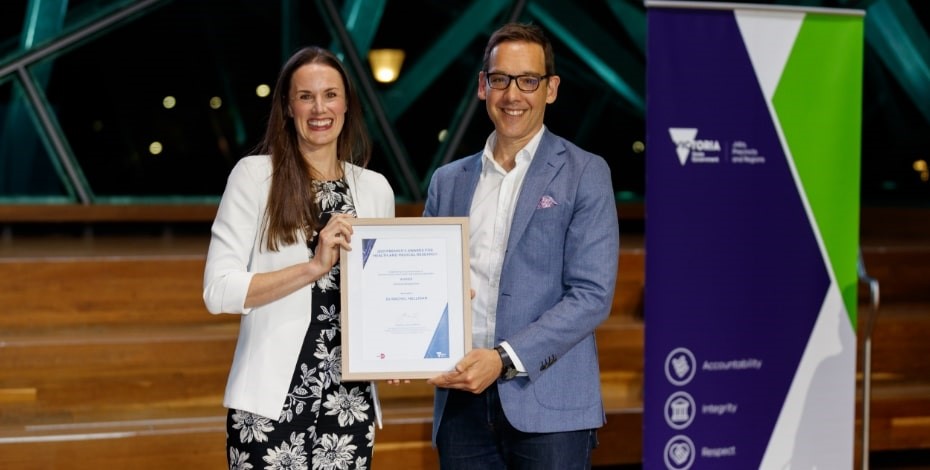
Physiotherapist Rachel Nelligan has won a Premier’s Award for her work developing digital resources to help people with knee osteoarthritis, writes Marina Williams.


Dr Rachel Nelligan’s curiosity and drive to improve patient outcomes has led to her winning the Clinical Researcher category in this year’s Premier’s Awards for Health and Medical Research.

Acupuncture for the whole person
INMOTION 01 May, 2022

Acupuncture for the whole person


Integrative acupuncture helps address the complexity of patient conditions, explains one of the presenters of this course, Paula Raymond-Yacoub.


Who would benefit most from attending ‘Integrative Acupuncture Level 1’?


This course is suitable for all physiotherapists.


However, I would recommend that new graduates wait a year or two after graduation before taking this extensive training on.