
Chronic health and disability

Telehealth diet and exercise programs deliver for knee OA
INMOTION 01 Feb, 2022

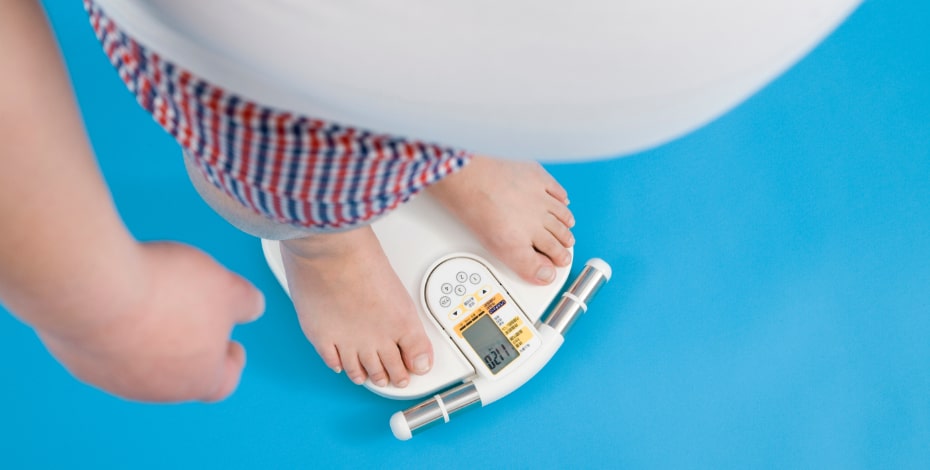
Telehealth diet and exercise programs deliver for knee OA


A recent study published by researchers at the University of Melbourne and Medibank shows that a weight loss and exercise program delivered by telehealth can significantly improve knee osteoarthritis. A conversation with Professor Kim Bennell and Dr Catherine Keating about the study.


Osteoarthritis (OA) is the most common form of arthritis, affecting almost 10 per cent of Australians, and is the most common condition leading to knee and hip replacements.


Aquatic physiotherapy
INMOTION 01 Feb, 2022

Aquatic physiotherapy


Sophie Heywood, Jillian Chua and Anna Scheer from the Aquatic group present five discussion points about the benefits of aquatic physiotherapy in rehabilitation and the prevention and management of a variety of conditions.


1. Aquatic plyometric training is effective in improving strength, jumping and sprinting


Interest in using plyometric exercises to improve power and function in older adults (Vetrovsky et al 2019) and clinical populations (Cordner et al 2021) is growing.

Getting to the heart of cardiac rehab
INMOTION 01 Feb, 2022

Getting to the heart of cardiac rehab


With advances in technology and treatment, survival rates for people with heart disease are improving. For physiotherapists working with these patients, the delivery of both exercise programs and education is critical. To mark National Heart Month, 1–28 February, InMotion looks at a year of huge changes in cardiovascular rehabilitation brought about by COVID-19 and the implications for future practice.

Physiotherapy care for knee osteoarthritis
INMOTION 31 Dec, 2021

Physiotherapy care for knee osteoarthritis


What are the experiences of physiotherapists delivering care for people with knee osteoarthritis, and how do these experiences align with the national Clinical Care Standard? Q&A with Rana Hinman and Samantha Teo.


Professor Roberta Shepherd is an APA Honoured Member and an Honorary Professor at Sydney University. She is a pioneer in neurological and paediatric physiotherapy, working throughout her career as an educator and researcher. 

Research questions answered
INMOTION 31 Dec, 2021

Research questions answered


What does the research say about managing patients with knee osteoarthritis; a tablet-based exercise approach to wrist, hand and finger injuries; and Bobath training for the lower limb after stroke? Read on.


Bobath therapy and lower limb activities after stroke


Does Bobath therapy improve lower limb activity performance, strength or coordination when compared with no intervention or other intervention? Q&A with Kate Scrivener and Roberta Shepherd.

Five facts about … metabolic syndrome
INMOTION 31 Dec, 2021

Five facts about … metabolic syndrome


Here are five discussion points about metabolic syndrome that outline how physiotherapists can intervene to prevent chronic disease.


1. Metabolic syndrome is a cluster of risk factors


Metabolic syndrome is the name given to a combination of specific risk factors that commonly occur together to raise the risk of chronic disease.

Five facts about … pulmonary rehabilitation
INMOTION 31 Dec, 2021

Five facts about … pulmonary rehabilitation


To mark World COPD Day this month, Meredith King and Sonia Cheng from the APA Cardiorespiratory national group highlight five discussion points about the role of physiotherapy in pulmonary rehabilitation.


1. Pulmonary rehabilitation (PR) improves exercise capacity and quality of life and reduces breathlessness in people with chronic lung disease


PR is one of the most important things that somebody with a chronic lung disease can do to improve their health.

Compression therapy study has global implications
INMOTION 31 Dec, 2021

Compression therapy study has global implications


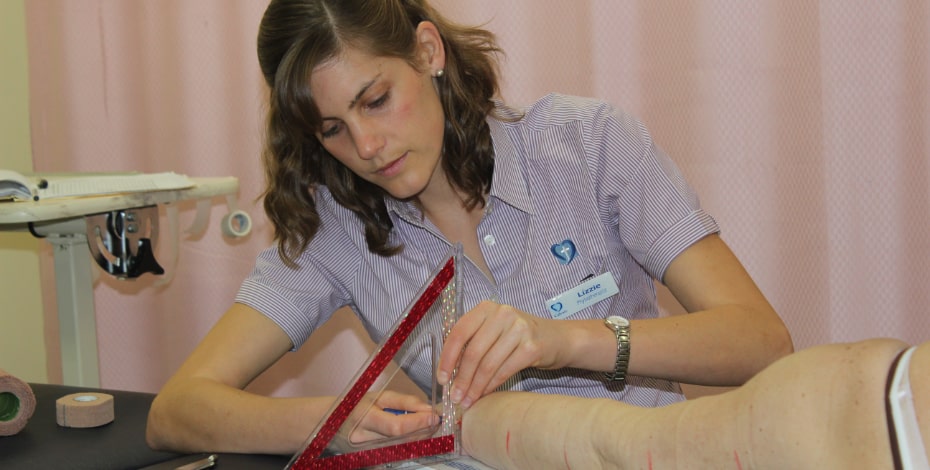
The results of a recently published study promises to change the way patients with leg infections and swelling are managed.


Cellulitis is a common and painful bacterial skin infection, contributing to about 130,000 emergency department presentations per year, with about 70,000 of those requiring admission to hospital.


These are startling statistics, says Elizabeth Webb, APAM, who three years ago initiated research to test whether compression therapy could prevent recurrent cellulitis of the leg.

Let’s not lose sight of our communities
INMOTION 31 Dec, 2021

Let’s not lose sight of our communities


It is in times of uncertainty that we must remember what it is to be part of a community. Not only the community of physiotherapists and patients that we are all a part of, but the wider community of human beings who are being affected by the happenings of the world right now.


It would be remiss of me not to mention the steps that we at the APA are taking inside our offices. We have the majority of our staff, me included, working remotely from our homes in an attempt to curb the spread of COVID-19.

Five facts about …  physiotherapy intervention for Parkinson’s disease
INMOTION 31 Dec, 2021

Five facts about … physiotherapy intervention for Parkinson’s disease


To coincide with World Parkinson’s Day on 11 April, Colleen Canning, Natalie Allen, Sandra Brauer, Robyn Lamont and Serene Paul present five evidence-based practice points for physiotherapists working with people with Parkinson’s disease (PD).


1. High-intensity aerobic exercise may provide disease-modifying effects in people with early PD


People with early PD benefit from regular, high-intensity aerobic exercise to improve their fitness and potentially optimise brain health.