
Exercise and physical activity

The image is of a physiotherapist holding the hands of a cancer patient sitting on an exercise ball.
INMOTION 01 Oct, 2026

A step in the right direction

Cancer rehabilitation is about much more than restoring movement after surgery. Physiotherapist Subhash Narangoda uses exercise, pain management and lifestyle strategies to help people regain confidence, physical capacity and quality of life.

A cancer diagnosis and its treatment can leave a lasting physical and functional legacy. 

A pink cancer ribbon
INMOTION 01 Oct, 2026

Madolyn's story

When Madolyn Ryan discovered she was pregnant, she had no idea that the appointment would also mark the beginning of a cancer journey.

At around five weeks pregnant, Madolyn asked her doctor to check a lump in her left breast that she had had for several years. 

She had previously had ultrasounds where she was told it was a benign cyst but Madolyn had noticed more changes in the lump a few months before finding out she was pregnant. 

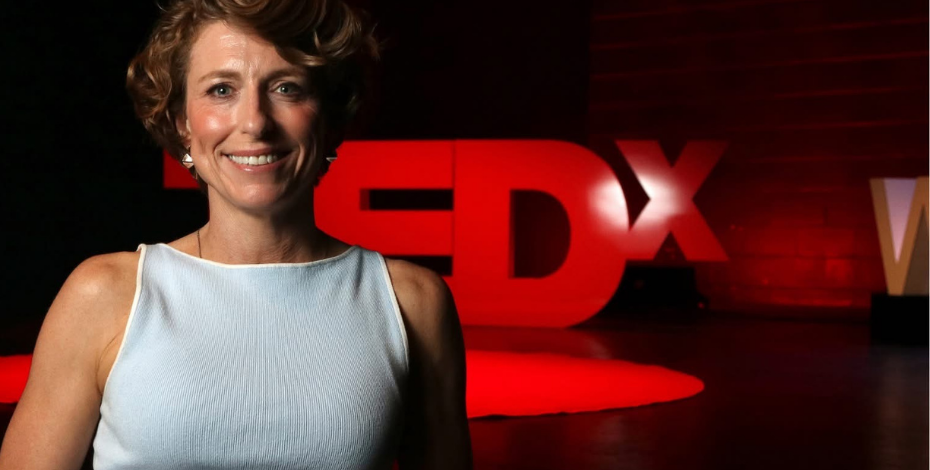
Physiotherapist Kylie Moffitt stands in front of a TEDx sign.
INMOTION 01 Oct, 2026

Exercise unlocks the pharmacy inside

Exercise is increasingly recognised as an essential component of cancer care but translating evidence into an appropriately dosed, individualised intervention remains a challenge. Physiotherapist Kylie Moffitt has spent the past decade developing a model of care that places exercise, rehabilitation and the therapeutic relationship at the centre of the cancer journey.

Kylie Moffitt APAM’s pathway into cancer rehabilitation began with a lecture. 

A family takes their dog for a walk.
INMOTION 01 Oct, 2026

ACTIVATE reaches consensus on physical activity

PHYSICAL ACTIVITY Recommendations on assessing, prescribing and promoting physical activity in clinical practice have been recently published as an international consensus statement. Consensus member Professor Maria Constantinou talks about the recommendations.

A recent consensus study conducted by an international team of researchers aims to provide a framework of recommendations for physical activity assessment, prescription and promotion in clinical practice (Bricca et al 2026). 

The illustration depicts a woman running on a ribbon.
INMOTION 01 Oct, 2026

Exercise as medicine: from cancer diagnosis to recovery

For cancer patients, adding exercise into their lives at a time when they are dealing with a cancer diagnosis and the whirlwind of surgery, treatments and management that follows might seem one step too far. The evidence, however, is mounting in favour of exercise as a critical component of cancer therapy.

Related articles:

A man in jeans is holding the front of his hip/thigh.
INMOTION 29 Sep, 2026

Strengthening versus stretching for FAI syndrome

HIP PAIN Exercise can improve quality of life for people with the common hip condition femoroacetabular impingement syndrome, according to a newly published study.

A recent clinical trial led by Professor Joanne Kemp FACP (left) at La Trobe University has examined the outcomes of two different exercise-based, physiotherapist-led interventions for femoroacetabular impingement (FAI) syndrome. 

Abstract graphic of a graph and arrows pointing upwards
INMOTION 23 Sep, 2026

A profession growing in influence

Physiotherapy in Australia is growing rapidly, both in numbers and in the breadth of what our profession contributes to Australians’ health. 

As of March 2026, Australia has more than 50,000 registered physiotherapists, while the APA represents close to 37,000. 

We are approaching the size of the psychology profession and are on track to become Australia’s third-largest regulated health profession. 

To borrow a line from Uncle Ben in Spider-Man, ‘With great power comes great responsibility.’ 

An outline of a girl next to blue and orange light
INMOTION 01 Sep, 2026

Designing the behaviour, not just the exercise

Recent APA discussions have highlighted the important role of behaviour change, empathy and personalised communication in exercise prescription. Pete Haynes builds on that foundation by focusing on the next practical step: how physiotherapists can help patients turn advice into action.

Physiotherapists prescribe behaviours every day: exercise, walking, pacing, symptom monitoring, sleep routines and gradual return to valued activities. 

These recommendations may be clinically sound but they still have to survive real life. 

Graphic of a person looking towards the sky
INMOTION 24 Aug, 2026

Celebrating our impact, shaping the future

Every year on 8 September, World Physiotherapy Day celebrates the contribution physiotherapists make to improving health and wellbeing around the globe.

It is an opportunity to recognise the expertise, compassion and leadership of our profession while reflecting on how physiotherapy continues to evolve to meet today’s greatest health challenges.

This year is particularly significant. Following consultation with member organisations, World Physiotherapy has launched a four-year focus on non-communicable diseases, the leading cause of death and disability worldwide.

A generic, overhead photograph of two wrestlers locked in battle.
INMOTION 01 Jun, 2026

Wrestling with a late career change

From the wrestling mat to the treatment room, Kris Grzywniak’s path into physiotherapy has been anything but conventional. A former Polish national team wrestler and coach, now working in private practice, Kris brings a rare blend of lived athletic insight, coaching skills and clinical reasoning to every patient.

Krzysztof ‘Kris’ Grzywniak APAM does not fit the mould of the typical early-career physiotherapist. His journey into the profession was not a straight line from school to university to clinic.