
Clinical practice and scope

A graphic representation of a neural network
INMOTION 01 Jul, 2026

New Australian standards for pain management education

The new Australian Standards for Health Practitioner Pain Management Education were launched at the 46th Australian Pain Society Annual Scientific Meeting by Dr Noam Winter and Professor Helen Slater, members of the team that developed the standards.

A graphic illustration of heads in silhouette, with connections between them.
INMOTION 01 Jul, 2026

Workshop tests new clinical reasoning framework

A clinical reasoning framework for chronic pain was the focus of a pre-conference workshop at the Australian Pain Society Annual Scientific Meeting.

Clinical reasoning provides physiotherapists and other clinicians with a basis for assessing, diagnosing and managing a patient’s condition. 

However, pain physiotherapists find that the standard clinical reasoning framework doesn’t always match the complexity of a patient with chronic pain. 

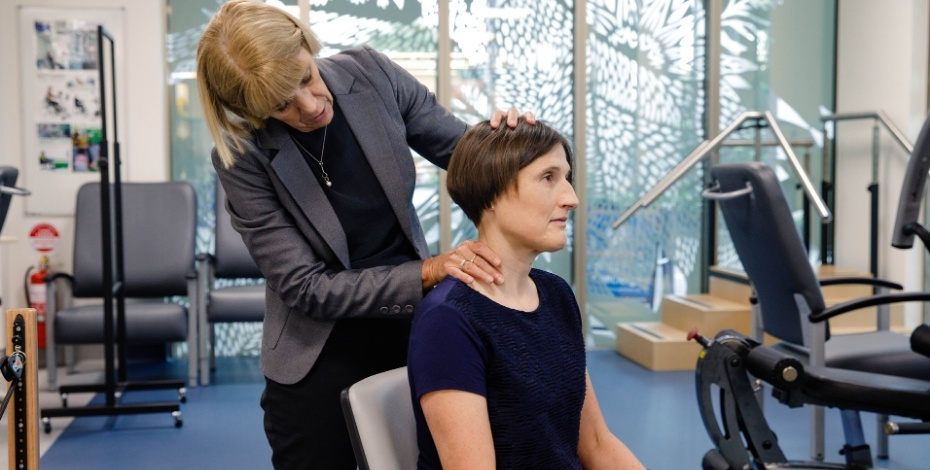
Professor Michele Sterling works with a patient.
INMOTION 01 Jul, 2026

Burning questions drive pain researcher

For more than two decades, Professor Michele Sterling has been at the forefront of pain research, reshaping how physiotherapists understand musculoskeletal injury, chronic pain and recovery after whiplash injury. Michele was recently named in The Australian’s top 250 researchers of 2026 and is the leading researcher in the area of pain and pain management. 

When Professor Michele Sterling FACP graduated as a physiotherapist in 1982, pain was viewed very differently from the way it is today.

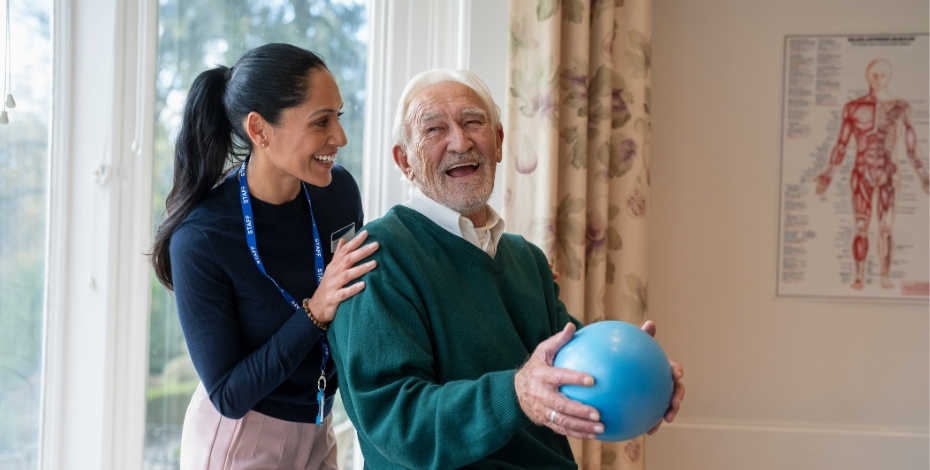
A physiotherapist smiling at an elderly patient
INMOTION 29 Jun, 2026

Championing physiotherapy's future

The Physiotherapy Board of Australia breaks down how it is working to support a sustainable physiotherapy workforce and improve community access to care.

The Physiotherapy Board of Australia plays a central role in protecting the public by setting standards, codes and guidelines for practice and by responding to notifications and conduct concerns. 

A physiotherapist talking to a patient.
INMOTION 26 Jun, 2026

Asking first

Belinda Stephens argues that community voice must drive physiotherapy’s next step in chronic disease care.

We are a profession that takes evidence seriously and rightly so. The body of research underpinning physiotherapy practice is robust, growing and genuinely impressive. 

From pain neuroscience to exercise prescription, manual therapy protocols to chronic disease self-management, we have developed a sophisticated clinical toolkit, one grounded in decades of rigorous investigation, peer review and outcome measurement. 

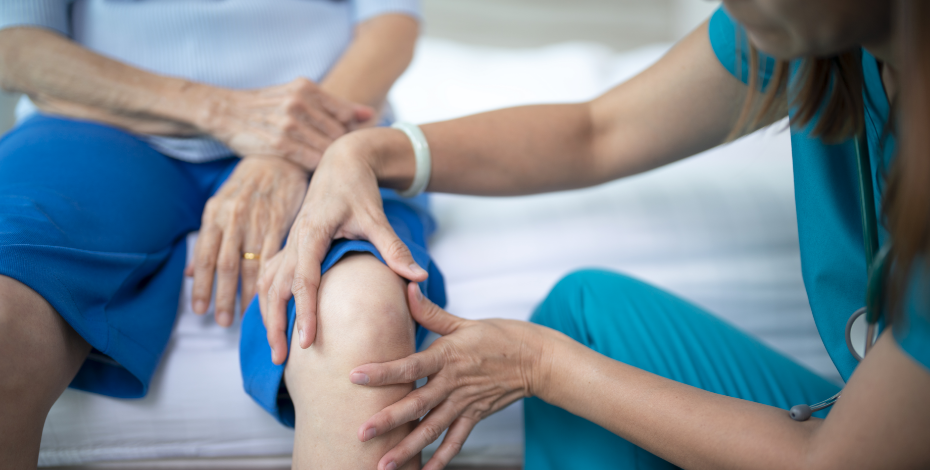
A patient's knee is examined by a therapist as if he is in pain.
INMOTION 26 Jun, 2026

Collective approach takes the sting out of pain management

Alongside the physical symptoms of persistent pain, there often come years of frustration, fear of movement, conflicting advice, unsuccessful treatments and a growing loss of confidence in the body. For physiotherapists, helping people navigate that complexity can be one of the most challenging – and rewarding – areas of clinical practice.

Physiotherapist Matthew Ash APAM has spent much of his career working with people whose pain persisted long after an injury should have healed. 

A creative image that suggests a depiction of technological advancements in healthcare.
INMOTION 24 Jun, 2026

Virtual clinic manages spinal fractures at home

When the Spinal Virtual Clinic run out of Royal Adelaide Hospital in South Australia first opened, it managed a handful of patients annually. Fast-forward a decade and the clinic now oversees more than 1000 patients each year, with physiotherapy at the forefront.

For many patients with minor spinal fractures, recovery is less about intervention and more about time. 

Three young children are sitting on the floor playing with building blocks.
INMOTION 01 Jun, 2026

No evidence for CME effectiveness alarms physios

RESEARCH FOCUS Cuevas Medek Exercises are an increasingly popular paediatric therapy for children with disability but a recent review has shown that little evidence exists to support their use.

Two hands, one human, one robotic, hold up puzzle pieces to each other.
INMOTION 01 Jun, 2026

Accountability in the age of information

Professor Trevor Russell explores ethics, clinical risk and consent in digital physiotherapy practice.

The integration of digital technologies into physiotherapy practice is accelerating rapidly. 

Artificial intelligence (AI), wearable sensors, telehealth platforms and automated clinical tools are no longer emerging concepts. 

Rather, they are increasingly embedded within everyday care. 

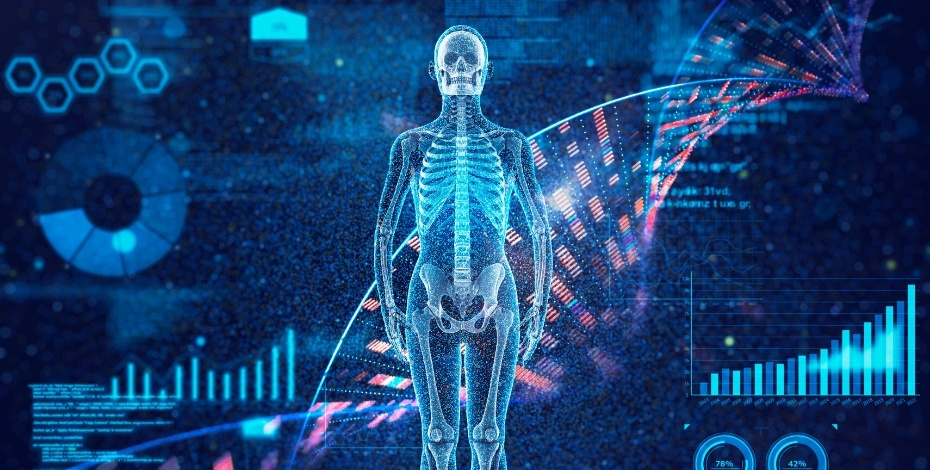
A computer-generated conceptual image of technology, featuring an image of a human body with the skeleton displayed x-ray-style, overlaid on computer test, and other technological symbols including graphs and pie charts.
INMOTION 01 Jun, 2026

Working out digital health technology's place in physiotherapy

As digital technologies continue to develop and their use becomes more widespread in healthcare, the ability of physiotherapists to adapt for the future is paramount. Here, based on their popular session at APASC25 in Adelaide last October, Mark Merolli, Leo Ng and Trevor Russell offer insights into the power and potential of digital health technology in clinical practice.

To read their articles, click on the links below: