
Digital health and telehealth

An abstract image of computer code
INMOTION 26 Mar, 2025

Navigating the AI tide

AI IN PRACTICE Barry Nguyen considers the long-term effects of AI on practitioners and finding the balance between opportunity and the risk of losing critical skills.

How does the rise of artificial intelligence (AI) affect our physiotherapy skills? 

AI presents a fascinating paradox for physiotherapists— incredible opportunities for advancement alongside potential risks to fundamental clinical abilities. 

A graphic image of a blue and silver robotic hand touching a stream of data.
INMOTION 27 Jan, 2025

AI agents and the future of physiotherapy

The rapid rise of autonomous AI agents has implications for physiotherapy practice.

The physiotherapy industry is on the brink of a new era, driven by advancements in artificial intelligence (AI).

Early tools like chatbots hinted at what AI could do but within the next two to three years, AI agents—powered by advanced language models—are set to change how clinics operate.

Blurry image of a tree, symbolising dizziness
INMOTION 30 Aug, 2024

Online acute vestibular learning

A recent grant recipient is investigating the development of an online training package to help physiotherapists manage acute vestibular conditions

Dr Caitlin Farmer MACP is an advanced practice physiotherapist at Royal Melbourne Hospital who has worked in various roles in emergency departments (EDs) since 2008.

She has a keen interest in helping people experiencing vestibular conditions, particularly in acute settings.

A nurse in a blue uniform adjusts a breathing respirator on a cancer patient.
INMOTION 01 Jul, 2024

Lung cancer toolkit for physios

PAT COSH GRANT Catherine Granger talks about her proposed lung cancer education toolkit for physiotherapists.

Lung cancer is the fifth most common cancer in Australia, with an estimated 14,800 Australians diagnosed with the disease in 2023.

Surgery is typically the first treatment option for early and localised cancer but patients can be left with significant fatigue, breathlessness and pain; reduced functional capacity and muscle strength; and poor health-related quality of life.

A man is standing on a stage in front of the words IGNITE 2023 and talking into a microphone
INMOTION 01 Jul, 2024

App to help people with back pain

My Back Exercise, a smartphone app designed to help people with back pain, was a finalist at last year’s Physiotherapy Research Foundation Physio Pitchfest competition. Kate Roberts talks about the development of the app.

Modern approaches to treating low back pain focus on physical activity and encouraging people with low back pain to self-manage their pain and activity.

7 hands all pressed together in a circle.
INMOTION 03 Jun, 2024

Another reason to belong

A sense of belonging is intrinsic to human nature.

It begins with our earliest memories of feeling safe with our families and travels with us through life—at our educational institutions, in our workplaces and in our social circles.

‘Find your reason to belong’ is our message when we’re attracting new members to our association. 

Because we know that the emotional driver of being part of a tribe is an important reason to join a membership association. 

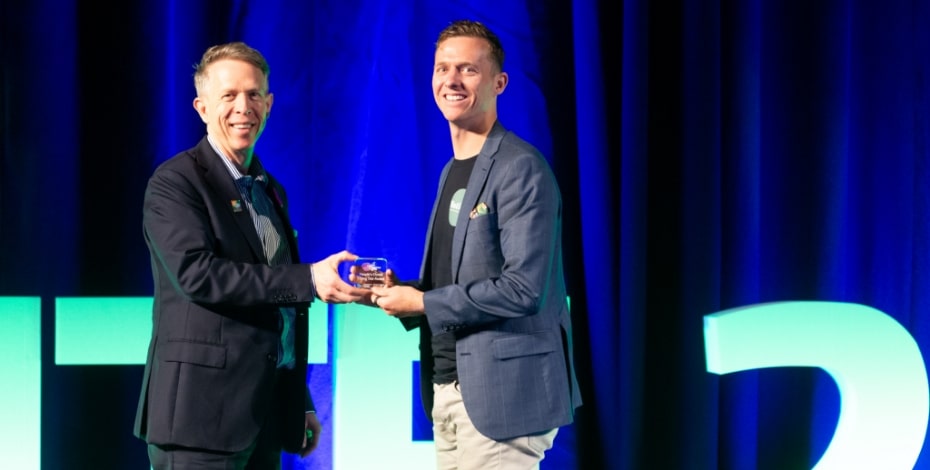
Two men in suits are standing on a stage. The man on the left is handing the man on the right an award.
INMOTION 02 Apr, 2024

Endometriosis support on your phone

Matilda, an app for people with endometriosis, won the 2023 People’s Choice Rising Star Award at the Physiotherapy Research Foundation’s Physio Pitchfest at last October’s conference. Founders Kevin Wernli and Joanna Morris talk about the development of Matilda and where they plan to take it.

Early in 2022, physiotherapists Dr Kevin Wernli APAM and Joanna Morris APAM were chatting at a dinner about chronic pain and endometriosis, topics of interest to them both.

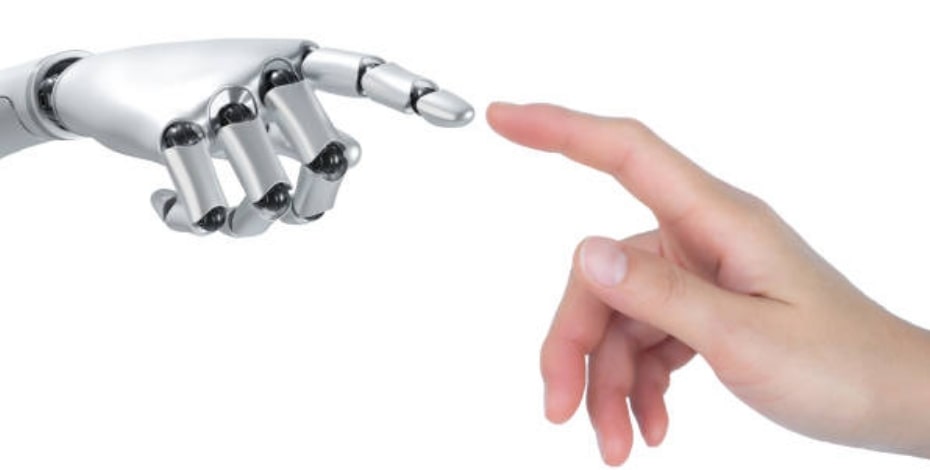
human hand and robotic hand touching index fingers
INMOTION 02 Apr, 2024

AI enters the chat

Will artificial intelligence (AI) replace physiotherapists? No, it certainly will not.

In recent years, however, AI has rapidly evolved and has found applications in all kinds of sectors, driving change at a rapid pace and revolutionising the way we live and work. 

The field of healthcare, including physiotherapy, is no exception.

A groundbreaking AI transformation is already taking place in the realm of continuing professional development— from universities and training providers to APA courses and lectures. 

A hand reaches forward holding a graphical representation of AI and some of its uses.
INMOTION 02 Apr, 2024

Innovation at hand: AI's impact on physiotherapy

Like it or not, artificial intelligence is poised to make an impact on the practice of physiotherapy, both in the short term and in the long term.

Since the widespread launch of ChatGPT, the free artificial intelligence (AI) program that swept the world in 2023 with its apparent ability to provide answers to any question posed, write essays and documents on command and even write novels based on a few prompts, people have been wondering how it will affect their own work.

A human hand rests next to a robot hand on a computer keyboard.
INMOTION 02 Apr, 2024

Tapping into AI

As artificial intelligence breaks new barriers, InMotion chats to a private practitioner who is embracing the new technology and applying it in the clinical setting.

In the ever-changing landscape of healthcare, technological advancements continue to reshape the delivery of patient care.

Among these innovations, artificial intelligence (AI) has emerged as a transformative force, revolutionising various aspects of clinical practice.