Exercise and physical activity

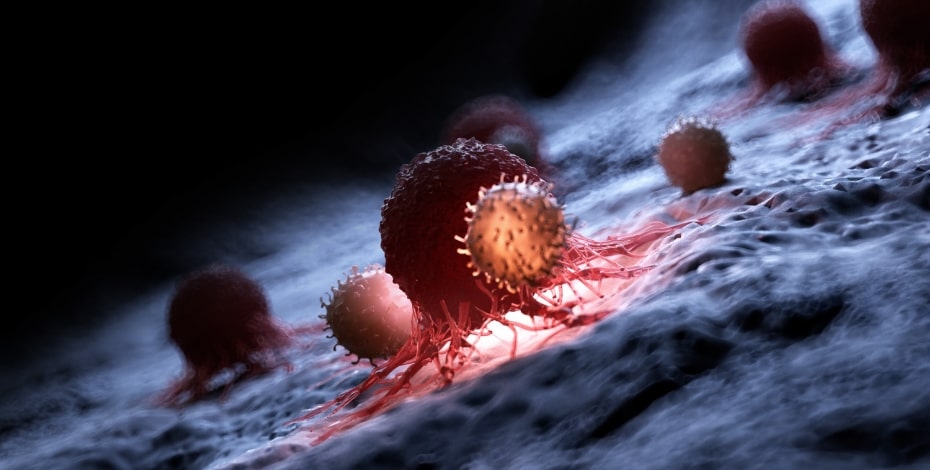
An enhanced microscopic photograph of cancerous blood cells. The cells are red and the background is blurred.
INMOTION 01 May, 2023

Blood cancer management

Associate Professor Catherine Granger FACP answers some questions about her Invited Topical Review on physiotherapy management of blood cancers in adults.

Your Invited Topical Review recognises a diverse array of blood cancers. Does the evidence generally apply to all of them?

There are many different types of blood cancer. 

A woman breathing in with her lungs highlighted in red.
INMOTION 01 Mar, 2023

Lung cancer research a breath of fresh air

COCHRANE REVIEW Clinical researcher Catherine Granger FACP set out to examine whether preoperative exercise training in people with non-small cell lung cancer could improve postoperative outcomes. She discusses the findings of her Cochrane Review here.

Ten years ago, it was almost unheard of for patients recently diagnosed with lung cancer to take part in exercise programs prior to or after surgery.

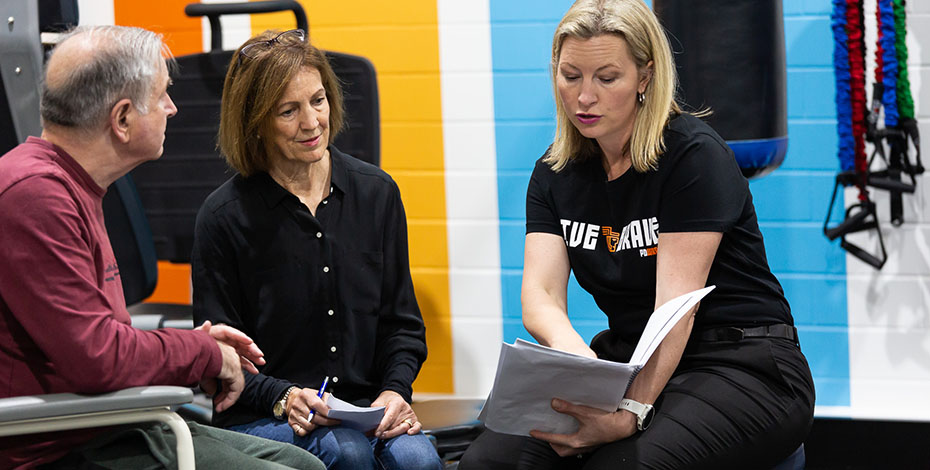
Melissa McConaghy stands to the right of the image as she talks to some patients.
INMOTION 01 Mar, 2023

Adventure opens up a world of physio

Before she became a new member of the APA Board of Directors, Dr Melissa McConaghy FACP explored the world and the many options that the physiotherapy profession offers at home and abroad.

Melissa McConaghy was in the middle of teaching a course in London when her phone began beeping madly.

While trying to continue with the instruction, a mildly distracted Melissa apologised to course participants and quickly checked, thinking it could be about her children.

A person's lower legs and feet as they step onto testing equipment.
INMOTION 01 Feb, 2023

Mobility analysis after neurological injury

Presented by Gavin Williams FACP, linked courses on adult and paediatric gait and running will explore the role of higher-level mobility analysis in neurological rehabilitation.

Tell us about the courses. How does higher-level mobility analysis assist with retraining after neurological injury?

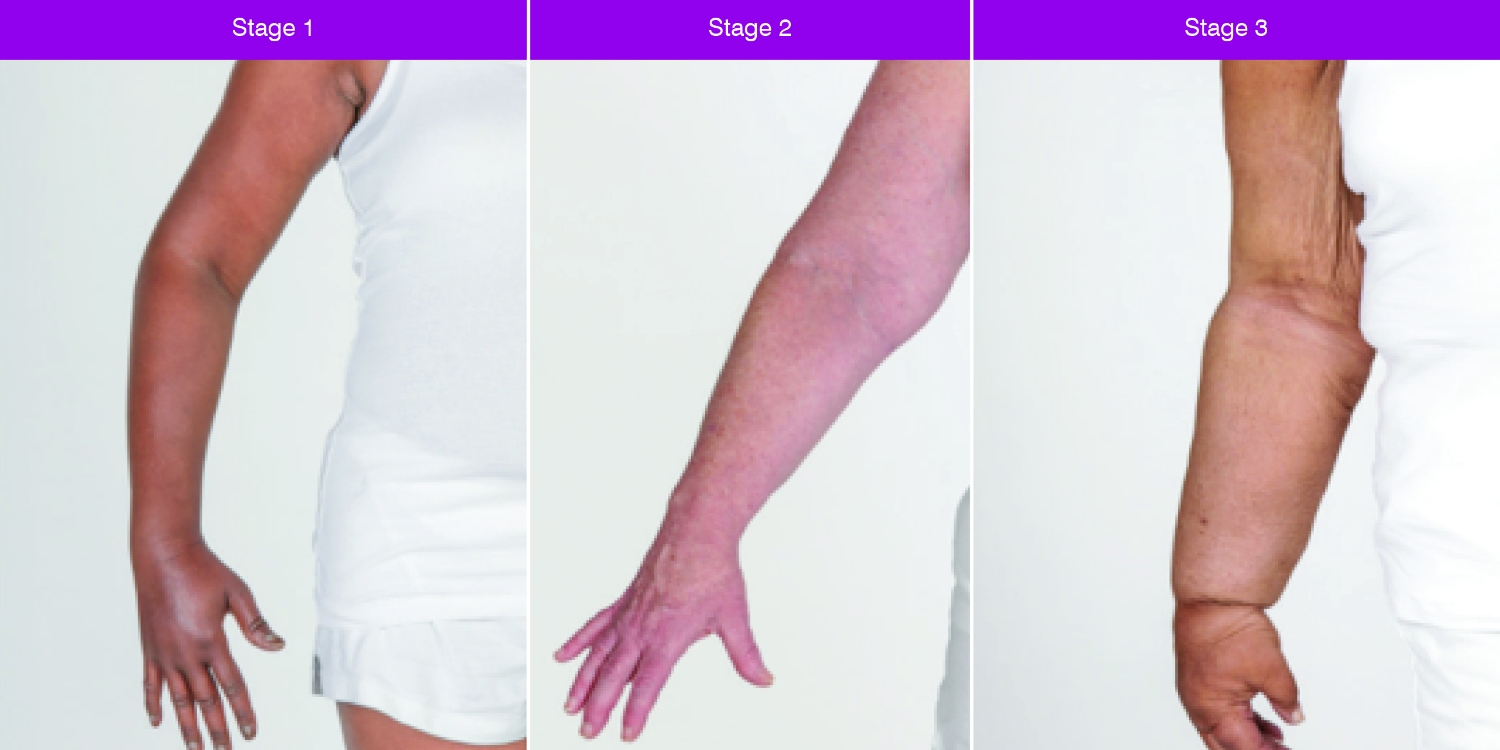
Three arms in various stages of lymphodema.
INMOTION 01 Feb, 2023

Risk reduction and early intervention in lymphoedema

Helen Boursinos, Gillian Buckley, Lizzie Eastwood, Lisa Parry and Dr Teresa Lee present five discussion points about the strategies physiotherapists can use to prevent and manage lymphoedema and to reduce its impact on patients.

1. Identifying risk factors reduces the likelihood of developing lymphoedema

A number of risk factors increase a patient’s chance of developing lymphoedema.

People standing in a line at the opening night of a theatre show.
INMOTION 01 Feb, 2023

Giving voice to a love of arts and science

For Annie Strauch APAM MACP, successful outcomes in her work are not about what you see, but what you hear.

As one of Australia’s leading vocal physiotherapists, Annie Strauch helps people with vocal issues, providing treatment so they can improve the way they use their voice and can connect their voice to their body and breath.

Annie’s list of patients ranges from the everyday person wanting to play sport or speak and read out loud to professional performers and athletes.

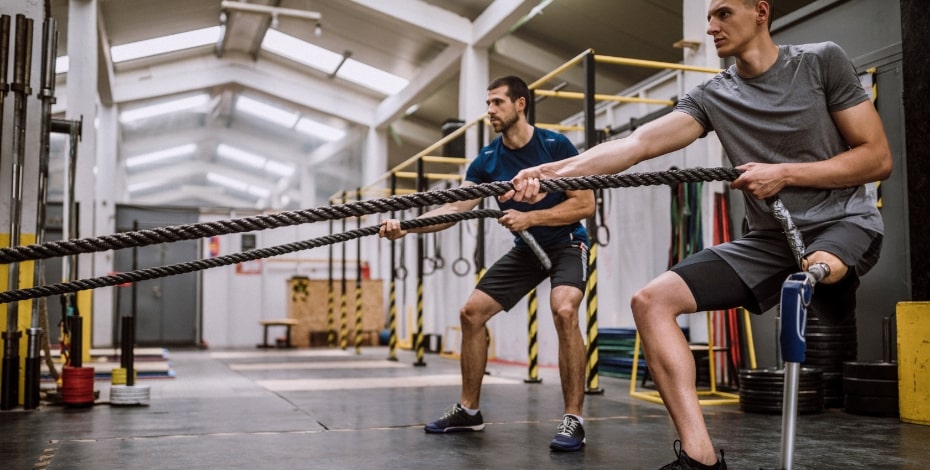
Two men haul on ropes in a gym, one with an artificial leg made of metal.
INMOTION 01 Dec, 2022

Community gym exercise for young adults with developmental disability

Georgia McKenzie, Professor Nora Shields and Dr Rachel Kennedy, investigators from the VicHealth-funded GYM-SPARC (Getting Young adults Moving by Supporting Participation and Access in Recreation Centres) research project, create five discussion points about community gym exercise for young adults with developmental disability.

1. The community gym is a preferred place to exercise for young adults with disability

Developmental disability includes disability present from birth or early childhood such as cerebral palsy and Down syndrome.

An abstract image with wedges of different glowing colours spiralling down.
INMOTION 01 Nov, 2022

The science of behavioural change

Physiotherapy is much more effective when patients are able to change their behaviour and adhere to treatment, yet there are a number of barriers to behavioural change. Dr Tamina Levy explores a systematic approach designed to bring about the differences that will help patients the most.

Human behaviour, or ‘anything a person does in response to internal or external events’, is a fundamental component of physiotherapy practice.

Margaret loved to be in the water and hosted a weekly hydrotherapy exercise class.
INMOTION 01 Nov, 2022

Fond memories of a trailblazer

TRIBUTE The physiotherapy world is mourning the loss of a stalwart of the profession who valued excellence in the field. Margaret Lewington was proud to give back to the physiotherapy community and to be able to help the patients to whom she dedicated herself, particularly those with the inflammatory arthritis condition ankylosing spondylitis.

Margaret Anne Lewington 1957–2022

Margaret Lewington fell in love with the water at a very young age.

A tennis player holds her shoulder as if it hurts.
INMOTION 01 Sep, 2022

Virtual symposium asks: to operate or not?

An upcoming virtual symposium, explored here by Jane Rooney FACP, weighs up the advantages and disadvantages of operative and non-operative approaches to treatment.

Tell us a bit about the program and presenters of ‘The Great Debate—to operate or not to operate?’

The symposium ‘The Great Debate—to operate or not to operate?’ will explore current research literature about the possible advantages and disadvantages of common interventions to manage knee and hip conditions.