Pain

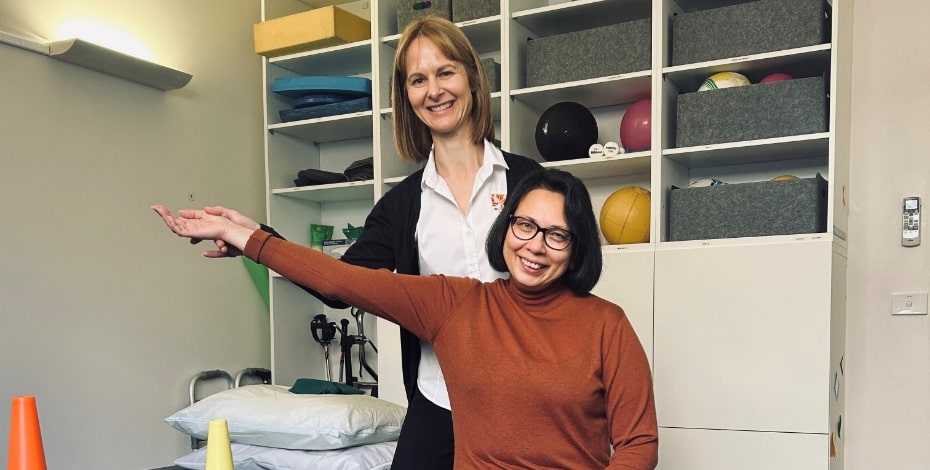
Kate Seeliger helps people with the late effects of polio.
INMOTION 02 Oct, 2023

Passion for neuro physio motivates Kate

On the eve of World Polio Day on 24 October, InMotion speaks with Kate Seeliger, a private practitioner who has recently begun working with patients impacted by polio and its delayed effects. Here, Kate talks to Melissa Mitchell about what she has learnt about polio, her physiotherapy career over more than 20 years and her keen interest in neurology.

two people conversing one with a big smile
INMOTION 01 Sep, 2023

Let’s talk about birth trauma

I became an aunt in the middle of the COVID-19 pandemic in 2020. My sister’s first baby was a wanted, welcomed new addition to the family.

This period in our lives, which had plenty of joy and wonder, was marred by two things.

One is obvious—COVID restrictions in Melbourne meant that time spent with our new family member was very limited and the new mum’s mental wellbeing took a battering as a result.

The other reason is sadly quite common but not often talked about: birth trauma.

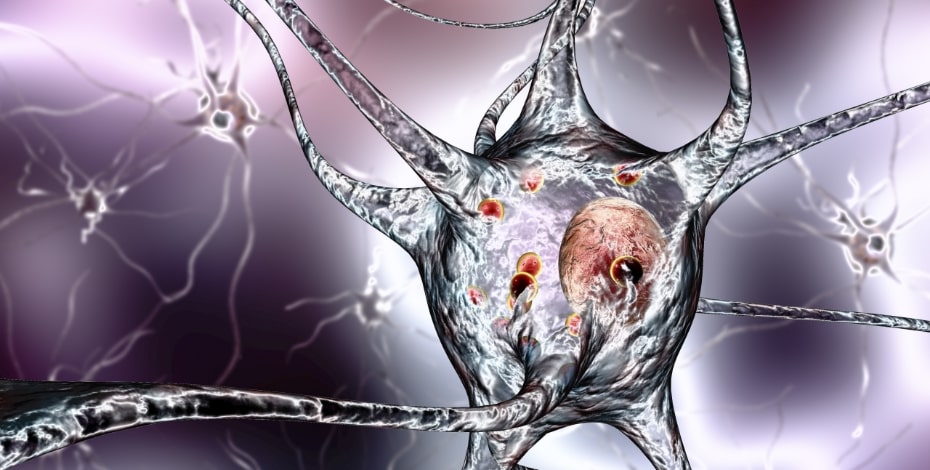
A graphic illustration of a neuron in the human brain.
INMOTION 01 Sep, 2023

Strategies to empower Parkinson’s patients

A one-day course presented by Melissa McConaghy explores the latest research into Parkinson’s disease and other movement disorders and its implications for treatment and assessment.

Tell us a little bit about this course.

Parkinson’s disease is a chronic neurodegenerative disorder that affects movement and can have a significant impact on a patient’s quality of life, mobility, cognition and mood.

The majority of people with Parkinsonism are diagnosed with idiopathic disease and the remainder with other movement disorders.

Professor Terry Haines looks directly into the camera lens, smiling.
INMOTION 01 Sep, 2023

Coveted award for champion of falls prevention

As a new graduate, Terry Haines stumbled onto a research career in falls prevention that has brought him many awards and accolades. He recently added another award to that cache, becoming a Member of the Order of Australia.

Professor Terry Haines APAM never intended to work in the aged care sector as a new graduate physiotherapist, but fate had other ideas.

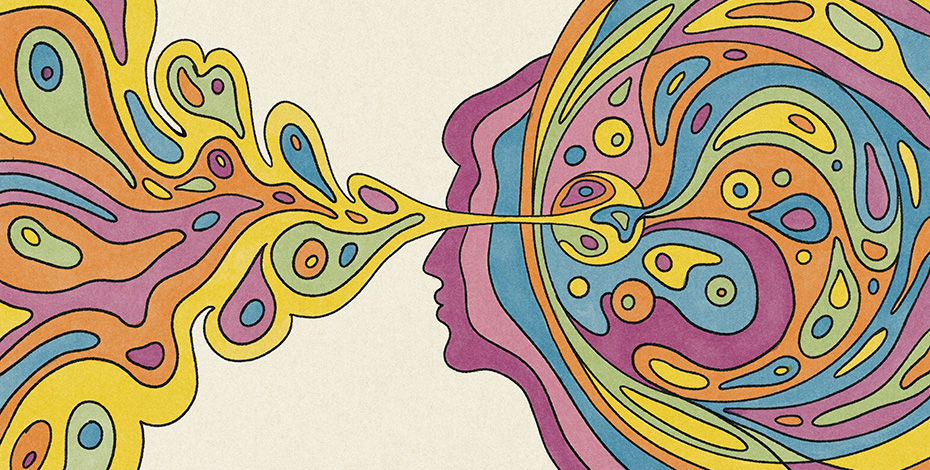
Multicoloured graphic with shapes swirling out of a person's brain.
INMOTION 01 Aug, 2023

The misnomer of pain sensitivity

LETTER

‘Pain sensitivity’ is an inaccurate term based on a conflation of stimulus and response that obscures our understanding of the pain experience, write John Quintner and Milton Cohen.

‘How we come by our knowledge of another person’s pain is a nice study in communication. It has much in common with the sort of communication attempted by the painter, the poet and the musician—the conveying of moods and feelings.’ (Parkhouse & Holmes 1963)

A series of colourful post-it notes with questions marks on them.
INMOTION 01 Aug, 2023

Pain sensitivity FAQ

In the seventh and final instalment of our series on pain sensitivity, Darren Beales FACP and Tim Mitchell FACP address some frequently asked questions.

Thank you for joining us on our journey through the consideration of pain sensitivity in clinical practice. To finish the series, we will endeavour to answer a few questions from readers.

How do we determine whether the sensitivity is a result of true pathology or not?

Young patient Chloe cuddles Checkers, a gait training dog. Checkers is black and gorgeous.
INMOTION 03 Jul, 2023

Gait training gives paws for thought

As a sole private practitioner running a small clinic in the Northern Beaches region of Sydney, Cathy Molloy hadn’t much considered undertaking a research project until a little girl with hereditary spastic paraparesis walked into her clinic. With some lateral thinking, a motivated parent and a dog named Checkers, Cathy embarked on a case study. 

A middle aged man rubs his lower back as if in pain while holding a coffee cup in his other hand.
INMOTION 03 Jul, 2023

Cognitive functional approach to back pain pays off

The results from a large clinical study on the use of cognitive functional therapy to treat people with chronic low back pain have shown that the approach significantly improves outcomes both clinically and from an economic perspective. Peter Kent and Peter O’Sullivan talk about the trial.

Chronic low back pain (LBP), defined as lasting for three months or more, is the leading cause of years lived with disability globally, due to both persistent pain and high disability.

A doctor treats the knee of an older patient in the hospital setting.
INMOTION 03 Jul, 2023

Tailored approaches to pain sensitivity

In the sixth instalment of our series on pain sensitivity, Darren Beales FACP and Tim Mitchell FACP provide further considerations for its management.

There is no recipe for the management of people whose pain sensitivity makes a significant contribution to their presentation.

But that’s okay because this is what makes our job interesting and rewarding.

A graphic image of a person running against a colourful background.
INMOTION 03 Jul, 2023

A biopsychosocial approach to exercise and movement

The benefits of taking affordances into account when prescribing exercise for people living with chronic pain are outlined by Erin MacIntyre.

Exercise prescription is a mainstay of physiotherapy treatment.

Along with other forms of movement, exercise is a large component of guideline-based care for many musculoskeletal conditions because of its positive effects on key patient-reported outcomes (eg, pain and disability) as well as other comorbidities with which people experiencing pain often present.