Pain

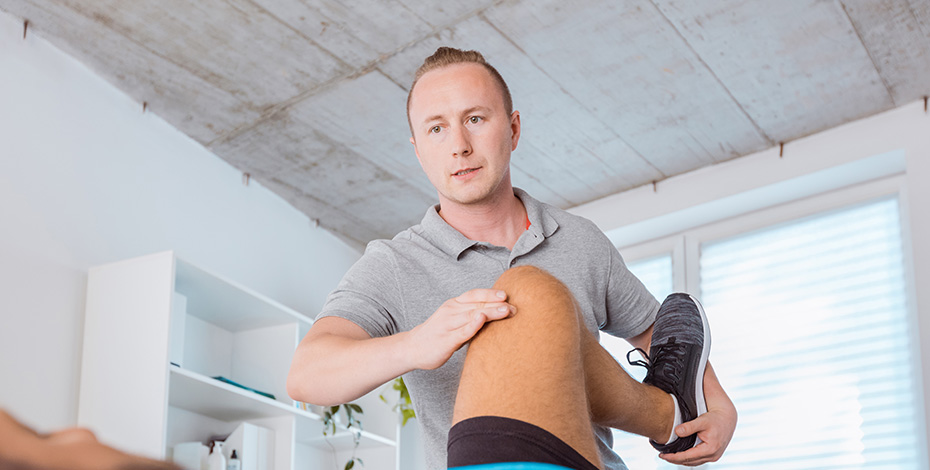
A physiotherapist bends a client's knee up towards his chest.
INMOTION 03 Apr, 2023

Pain sensitivity and the physical examination

In this third instalment of our series on pain sensitivity, Darren Beales FACP and Tim Mitchell FACP cover testing for pain sensitivity and how to conduct a clinical assessment that takes it into account.

In Part 2 of this series, we looked at the patient interview through a pain sensitivity lens. This process helps determine whether pain sensitivity is less or more likely to be a priority for the physical examination. Now we arrive at the examination itself.

Two men talking about health.
INMOTION 01 Mar, 2023

Recognising pain sensitivity in the clinic

In the second instalment of our series on pain sensitivity, Darren Beales FACP and Tim Mitchell FACP explain what to look out for when conducting assessments.

In Part 1 of this series we agreed that pain sensitivity is an important consideration for all physiotherapists in clinical practice.

Pain sensitivity may alter a person’s response to treatment, can help patients make sense of their own conditions, could be used for subgrouping people and might provide insight into a patient’s prognosis.

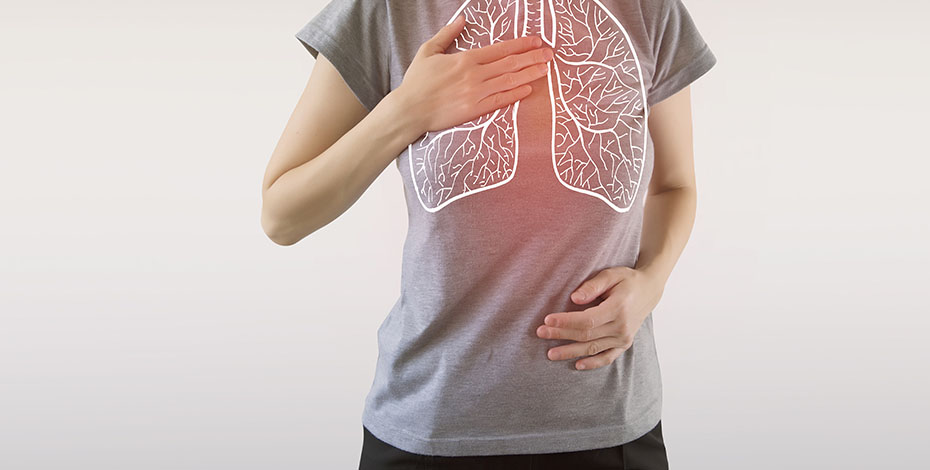
A woman breathing in with her lungs highlighted in red.
INMOTION 01 Mar, 2023

Lung cancer research a breath of fresh air

COCHRANE REVIEW Clinical researcher Catherine Granger FACP set out to examine whether preoperative exercise training in people with non-small cell lung cancer could improve postoperative outcomes. She discusses the findings of her Cochrane Review here.

Ten years ago, it was almost unheard of for patients recently diagnosed with lung cancer to take part in exercise programs prior to or after surgery.

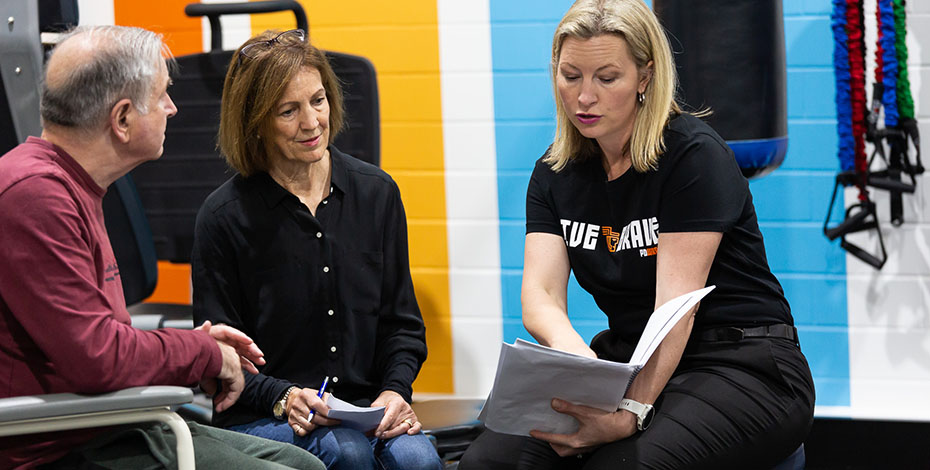
Melissa McConaghy stands to the right of the image as she talks to some patients.
INMOTION 01 Mar, 2023

Adventure opens up a world of physio

Before she became a new member of the APA Board of Directors, Dr Melissa McConaghy FACP explored the world and the many options that the physiotherapy profession offers at home and abroad.

Melissa McConaghy was in the middle of teaching a course in London when her phone began beeping madly.

While trying to continue with the instruction, a mildly distracted Melissa apologised to course participants and quickly checked, thinking it could be about her children.

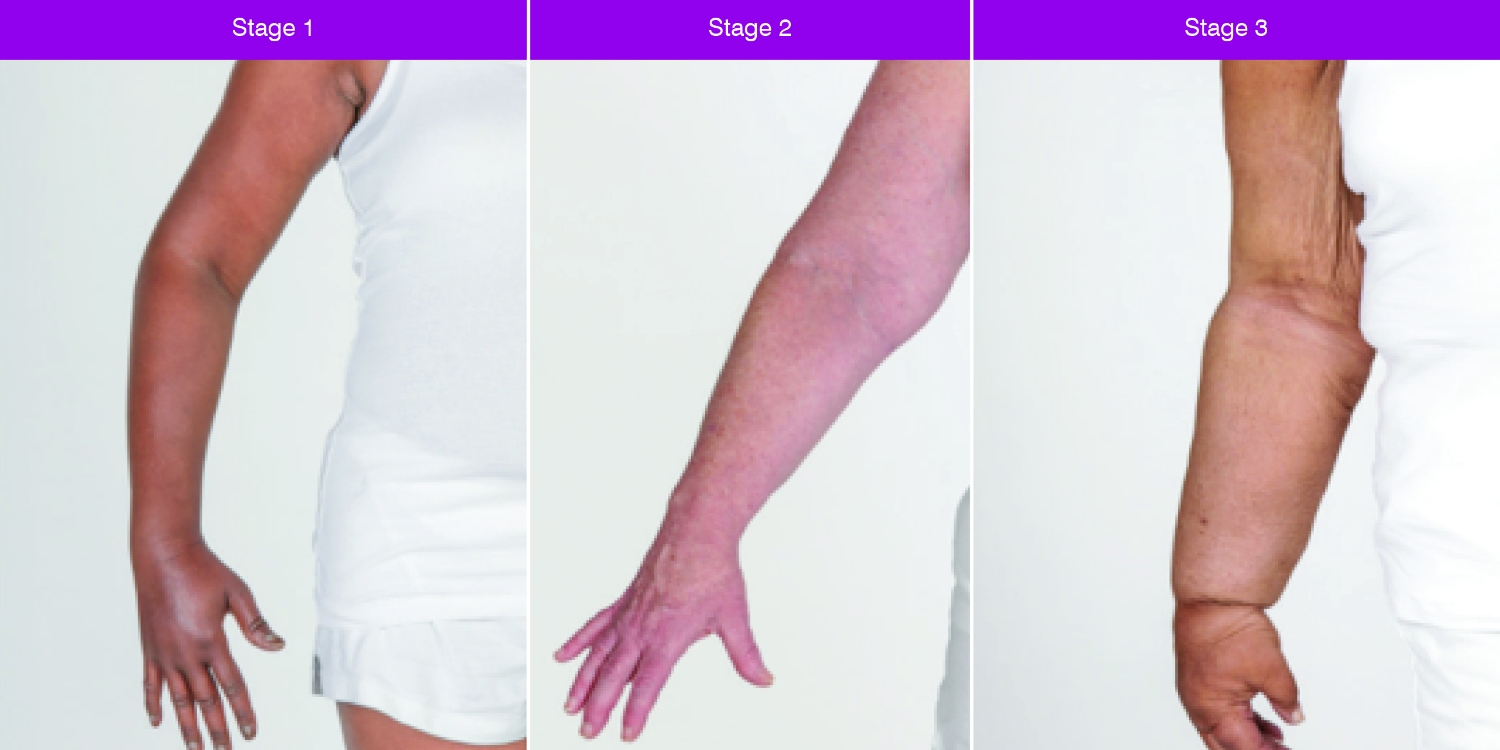
Three arms in various stages of lymphodema.
INMOTION 01 Feb, 2023

Risk reduction and early intervention in lymphoedema

Helen Boursinos, Gillian Buckley, Lizzie Eastwood, Lisa Parry and Dr Teresa Lee present five discussion points about the strategies physiotherapists can use to prevent and manage lymphoedema and to reduce its impact on patients.

1. Identifying risk factors reduces the likelihood of developing lymphoedema

A number of risk factors increase a patient’s chance of developing lymphoedema.

Image of two colourful heads banging together. A bit like mashed potato with a dollop of butter on top
INMOTION 01 Feb, 2023

Taking the pain out of pain education

An online survey of Australian physiotherapists working in private practice is now underway and needs your help. 

It is estimated that one in five Australians has chronic pain (Australian Institute of Health and Welfare 2020, Henderson et al 2013), resulting in a substantial reduction in wellbeing and increased healthcare visits annually (Blyth et al 2004). 

Woman with her hands to her head as if indicating where her headache is.
INMOTION 01 Feb, 2023

What is pain sensitivity and why does it matter?

In this first instalment in a series on pain sensitivity, Darren Beales FACP and Tim Mitchell FACP provide an overview of what pain sensitivity is and why it’s an important concept to understand in clinical practice.

Movement and function are key domains of physiotherapy and pain often gets in their way. For many physiotherapists, addressing pain to optimise movement and function is core business.

Smiling, indifferent and sad faces in a row.
INMOTION 01 Feb, 2023

Why you need to focus on the client experience

The client experience at your practice begins long before they set foot through the door, says private practitioner Tom Hindhaugh. In the first of a series of three articles on how to run a successful private practice, Tom discusses the importance of getting the client experience just right. 

There is a reason why Tom Hindhaugh APAM sits new graduates at his private practice down to talk about building high-quality, trusting relationships with clients—and it has a direct impact on clinical outcomes.

Artist impression of a person walking over a bridge.
INMOTION 07 Dec, 2022

Collaborative approach a step in the right direction

In his case study, Keegan Bow discusses how intensive and multimodal physical intervention improves balance and gait function in an adult with cerebral palsy.

Cerebral palsy (CP) is an umbrella term used to describe a group of permanent, fluctuating disorders of movement, posture and motor function caused by a non- progressive lesion or abnormality in the immature brain (Sadowska et al 2020).

A woman sitting on a medical bed points at her back while a doctor also places their hands on her back.
INMOTION 01 Nov, 2022

Setting the standard for low back pain care

The new Low Back Pain Clinical Care Standard provides guidance to clinicians, including physiotherapists, who are treating patients presenting with the condition. 

Low back pain (LBP) is the most common form of musculoskeletal back problem and most people experience it at some point in their lives. 

In Australia, back problems are the second most common reason to visit the GP and a leading cause of presentation to emergency departments.