Rehabilitation

An illustration of a hip joint x-ray
INMOTION 01 Mar, 2023

Imaging trial focuses on hip OA

Physiotherapist and researcher Dr Matthew King APAM has received a Seeding Grant to conduct a pilot study examining whether exercise therapy can help prevent the development of hip osteoarthritis.

Hip osteoarthritis (OA) affects one in four Australians over their lifetime, resulting in a personal burden of low physical activity, weight gain, social disengagement and poor quality of life. 

A person's lower legs and feet as they step onto testing equipment.
INMOTION 01 Feb, 2023

Mobility analysis after neurological injury

Presented by Gavin Williams FACP, linked courses on adult and paediatric gait and running will explore the role of higher-level mobility analysis in neurological rehabilitation.

Tell us about the courses. How does higher-level mobility analysis assist with retraining after neurological injury?

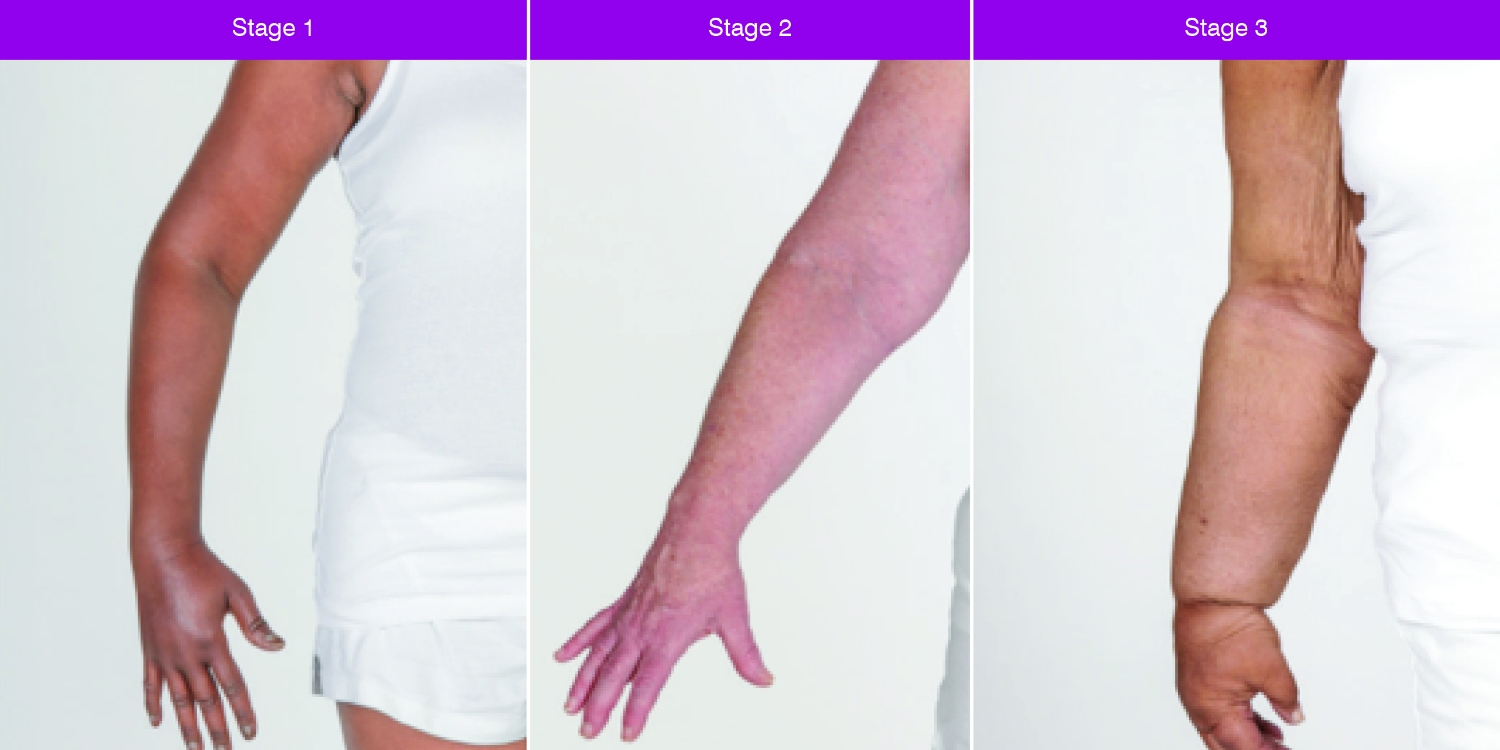
Three arms in various stages of lymphodema.
INMOTION 01 Feb, 2023

Risk reduction and early intervention in lymphoedema

Helen Boursinos, Gillian Buckley, Lizzie Eastwood, Lisa Parry and Dr Teresa Lee present five discussion points about the strategies physiotherapists can use to prevent and manage lymphoedema and to reduce its impact on patients.

1. Identifying risk factors reduces the likelihood of developing lymphoedema

A number of risk factors increase a patient’s chance of developing lymphoedema.

Woman with her hands to her head as if indicating where her headache is.
INMOTION 01 Feb, 2023

What is pain sensitivity and why does it matter?

In this first instalment in a series on pain sensitivity, Darren Beales FACP and Tim Mitchell FACP provide an overview of what pain sensitivity is and why it’s an important concept to understand in clinical practice.

Movement and function are key domains of physiotherapy and pain often gets in their way. For many physiotherapists, addressing pain to optimise movement and function is core business.

Smiling, indifferent and sad faces in a row.
INMOTION 01 Feb, 2023

Why you need to focus on the client experience

The client experience at your practice begins long before they set foot through the door, says private practitioner Tom Hindhaugh. In the first of a series of three articles on how to run a successful private practice, Tom discusses the importance of getting the client experience just right. 

There is a reason why Tom Hindhaugh APAM sits new graduates at his private practice down to talk about building high-quality, trusting relationships with clients—and it has a direct impact on clinical outcomes.

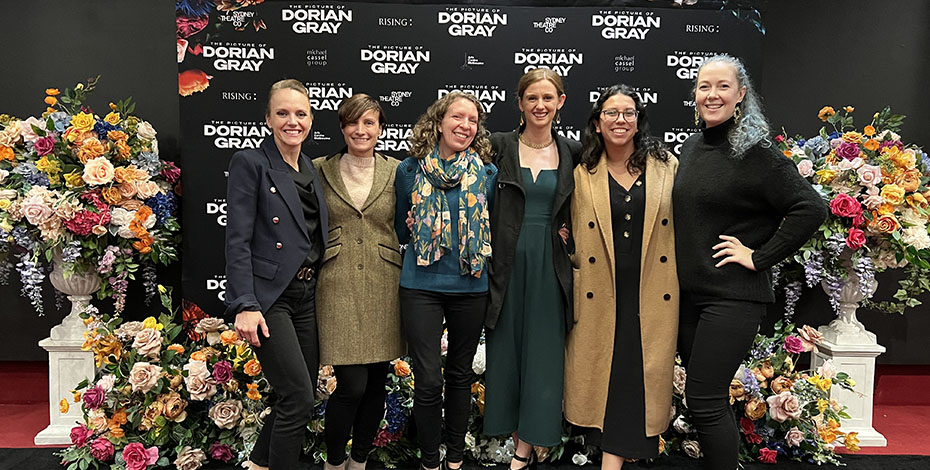
People standing in a line at the opening night of a theatre show.
INMOTION 01 Feb, 2023

Giving voice to a love of arts and science

For Annie Strauch APAM MACP, successful outcomes in her work are not about what you see, but what you hear.

As one of Australia’s leading vocal physiotherapists, Annie Strauch helps people with vocal issues, providing treatment so they can improve the way they use their voice and can connect their voice to their body and breath.

Annie’s list of patients ranges from the everyday person wanting to play sport or speak and read out loud to professional performers and athletes.

Artist impression of a person walking over a bridge.
INMOTION 07 Dec, 2022

Collaborative approach a step in the right direction

In his case study, Keegan Bow discusses how intensive and multimodal physical intervention improves balance and gait function in an adult with cerebral palsy.

Cerebral palsy (CP) is an umbrella term used to describe a group of permanent, fluctuating disorders of movement, posture and motor function caused by a non- progressive lesion or abnormality in the immature brain (Sadowska et al 2020).

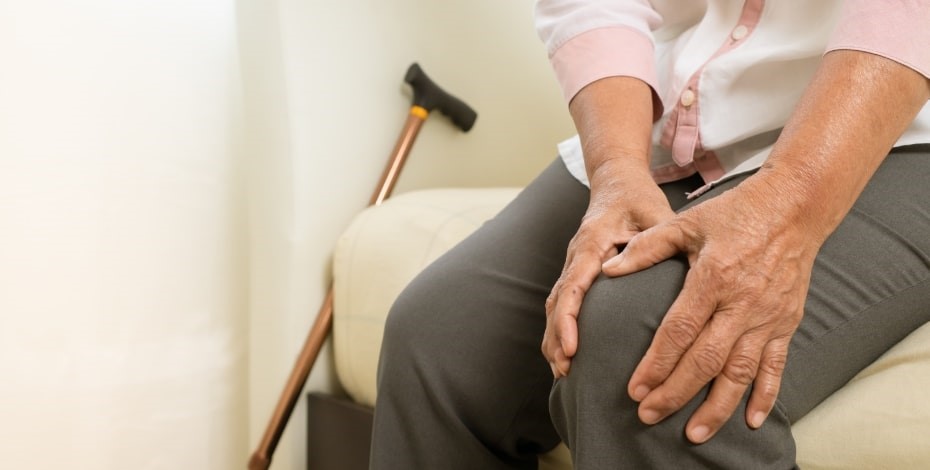
A person in a white shirt and grey trousers sits on a bed holding their left knee. A walking stick rests against the bed.
INMOTION 01 Dec, 2022

Muscle weakness and the brain

In our recent podcast series Researchers on the Record, clinician and researcher Wei-Ju Chang discusses the role of neuroplasticity in the pain and muscle weakness seen in knee osteoarthritis.

Physiotherapist and lecturer Dr Wei-Ju Chang APAM MACP straddles both clinical work and research, with a focus on chronic pain. 

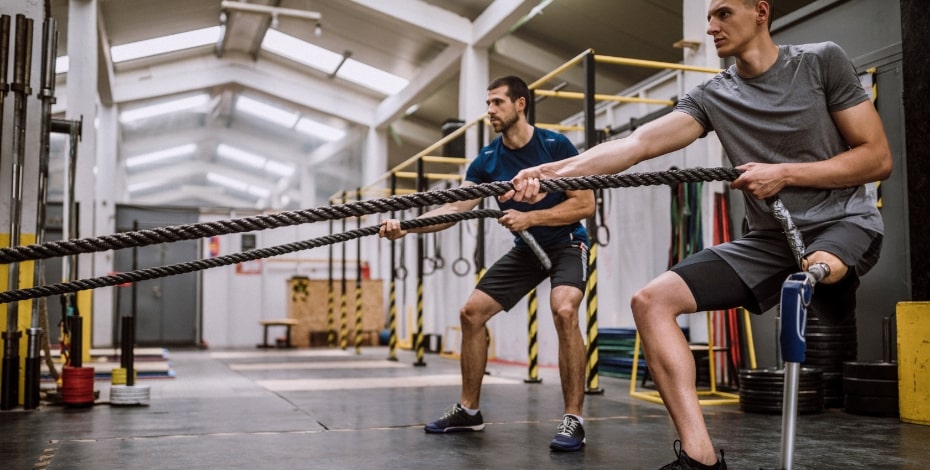
Two men haul on ropes in a gym, one with an artificial leg made of metal.
INMOTION 01 Dec, 2022

Community gym exercise for young adults with developmental disability

Georgia McKenzie, Professor Nora Shields and Dr Rachel Kennedy, investigators from the VicHealth-funded GYM-SPARC (Getting Young adults Moving by Supporting Participation and Access in Recreation Centres) research project, create five discussion points about community gym exercise for young adults with developmental disability.

1. The community gym is a preferred place to exercise for young adults with disability

Developmental disability includes disability present from birth or early childhood such as cerebral palsy and Down syndrome.

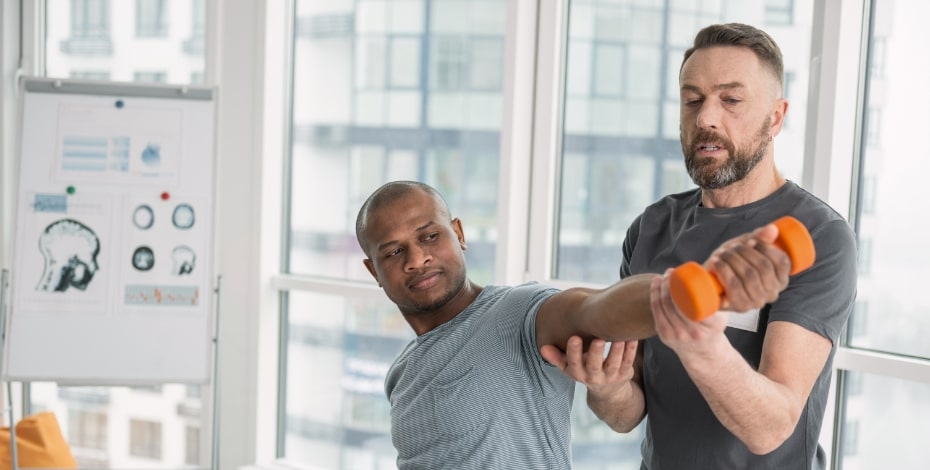
A physiotherapist assists a patient to perform an arm exercise holding a hand weight.
INMOTION 01 Dec, 2022

Ballistic training for traumatic brain injury

Australian physiotherapist Professor Gavin Williams is the lead author on a new randomised trial involving 144 adults with acquired brain injury.

The patients in your trial had quite severe brain injuries. They were four months post injury and had spent around two of those months in post-traumatic amnesia. Can you explain the significance of that?

The traumatic brain injury (TBI) population represents some of the most challenging people for therapists working in rehabilitation.