Research

animated graphic of a brain glowing red at its center
INMOTION 01 Aug, 2023

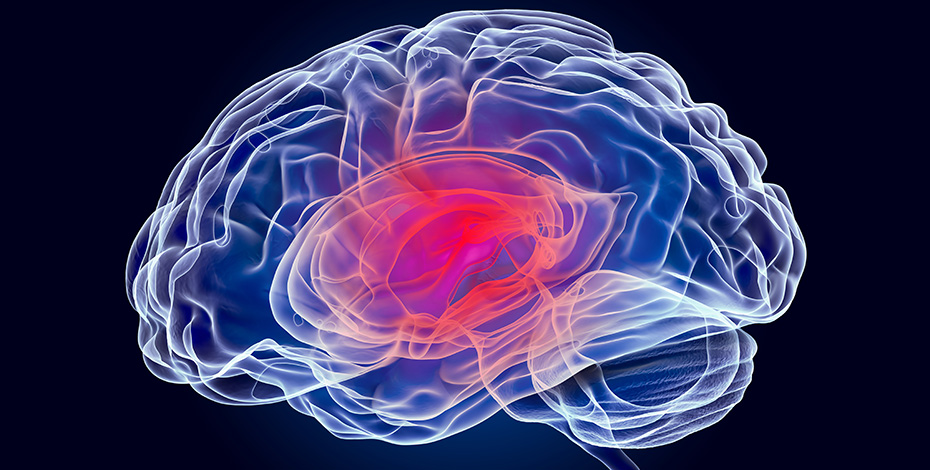
Management of traumatic brain injury

Management of traumatic brain injury

Associate Professor Leanne Hassett, an expert on interventions to increase physical activity in neurological populations, has written an Invited Topical Review on physiotherapy management of moderate- to-severe traumatic brain injury.

Invited Topical Reviews are hugely popular because they summarise the causes, assessment, diagnosis, prognosis and management of a condition.

Man in intensive care with oxygen mask on his face.
INMOTION 01 Aug, 2023

5 facts about ...post–intensive care syndrome

Simone Dafoe from the APA Cardiorespiratory national group presents five discussion points about post–intensive care syndrome and how physiotherapy can help mitigate its effects.

A view of people at a conference from behind them. Some are raising their hands.
INMOTION 01 Aug, 2023

Ignite your passion for physiotherapy

The APA’s national conference IGNITE 2023 will be held in early October in Brisbane. The program offers something for everyone and that includes the plenary sessions, which we preview here after a chat with the person at the helm.

Organising IGNITE 2023 has been a pleasure, says Dr Jo Connaughton APAM, chair of both the Conference Advisory Committee and the Scientific Program Committee.

A therapist's hands hold the hands of a patient with burns and scarring.
INMOTION 01 Aug, 2023

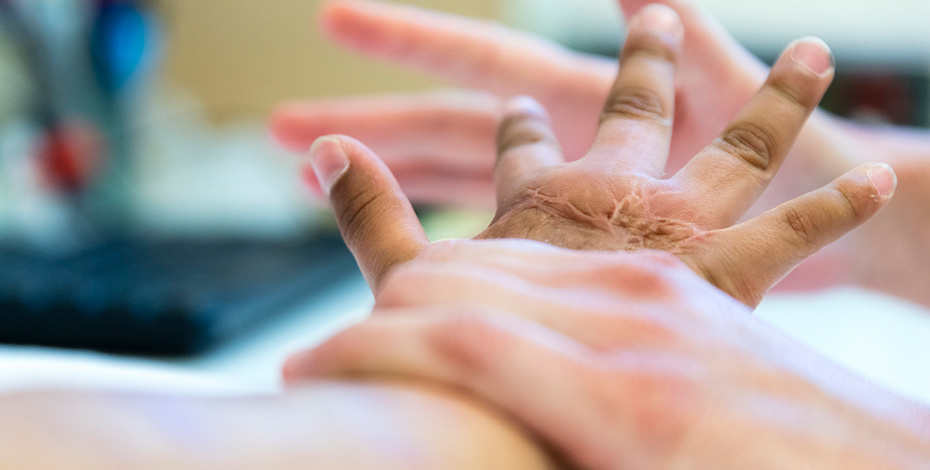
Delivering burns rehab by telehealth

Burns researcher and physiotherapist Anita Plaza talks about a recent study comparing telehealth with in-person rehabilitation services for patients with burn injuries.

Physiotherapist-directed exercise is a key component of burns rehabilitation, helping to reduce scar contracture and improve range of motion, muscle strength, exercise capacity and quality of life.

‘Our main role as physiotherapists is to try to improve movement in general. 

A series of colourful post-it notes with questions marks on them.
INMOTION 01 Aug, 2023

Pain sensitivity FAQ

In the seventh and final instalment of our series on pain sensitivity, Darren Beales FACP and Tim Mitchell FACP address some frequently asked questions.

Thank you for joining us on our journey through the consideration of pain sensitivity in clinical practice. To finish the series, we will endeavour to answer a few questions from readers.

How do we determine whether the sensitivity is a result of true pathology or not?

Two hands holding a pink paper cutout of a human brain. A small human brain.
INMOTION 03 Jul, 2023

5 Facts about physiotherapy and Huntington’s disease

Kenny Vuong, Tim Sheehy, Paige Hooper, Chris Jones and Dharsha Petrie of the APA Neurology national group present five discussion points about physiotherapy management of Huntington’s disease.

1. Huntington’s disease is not just a hyperkinetic movement disorder

Huntington’s disease (HD) is a genetic neurodegenerative disorder with a typical age of onset in the 30s and 40s.

Light is refracted on the side of a geodome and it is very pretty.
INMOTION 03 Jul, 2023

Investigation from every angle

The July issue of the Journal of Physiotherapy offers fascinating research on a multitude of topics and presents the winner of the Readers’ Choice Award, writes Mark Elkins.

The winner of the Readers’ Choice Award—Professor Peter Malliaras’ Invited Topical Review on physiotherapy management of Achilles tendinopathy—is announced in the July issue of the Journal of Physiotherapy.

Young patient Chloe cuddles Checkers, a gait training dog. Checkers is black and gorgeous.
INMOTION 03 Jul, 2023

Gait training gives paws for thought

As a sole private practitioner running a small clinic in the Northern Beaches region of Sydney, Cathy Molloy hadn’t much considered undertaking a research project until a little girl with hereditary spastic paraparesis walked into her clinic. With some lateral thinking, a motivated parent and a dog named Checkers, Cathy embarked on a case study. 

A middle aged man rubs his lower back as if in pain while holding a coffee cup in his other hand.
INMOTION 03 Jul, 2023

Cognitive functional approach to back pain pays off

The results from a large clinical study on the use of cognitive functional therapy to treat people with chronic low back pain have shown that the approach significantly improves outcomes both clinically and from an economic perspective. Peter Kent and Peter O’Sullivan talk about the trial.

Chronic low back pain (LBP), defined as lasting for three months or more, is the leading cause of years lived with disability globally, due to both persistent pain and high disability.

A doctor treats the knee of an older patient in the hospital setting.
INMOTION 03 Jul, 2023

Tailored approaches to pain sensitivity

In the sixth instalment of our series on pain sensitivity, Darren Beales FACP and Tim Mitchell FACP provide further considerations for its management.

There is no recipe for the management of people whose pain sensitivity makes a significant contribution to their presentation.

But that’s okay because this is what makes our job interesting and rewarding.