
Research

An abstract image with wedges of different glowing colours spiralling down.
INMOTION 01 Nov, 2022

The science of behavioural change

Physiotherapy is much more effective when patients are able to change their behaviour and adhere to treatment, yet there are a number of barriers to behavioural change. Dr Tamina Levy explores a systematic approach designed to bring about the differences that will help patients the most.

Human behaviour, or ‘anything a person does in response to internal or external events’, is a fundamental component of physiotherapy practice.

A girl with wavy brown hair in a grey dress stands in front of pink-and-white wallpaper with her hands together.
INMOTION 01 Nov, 2022

Physiotherapy and paediatric incontinence

Kate Tavendale, Amelia Moir and Ethan Gannon present five discussion points about the role of physiotherapy in managing paediatric incontinence.

A woman sits at a computer desk with a laptop open in front of her.
INMOTION 01 Nov, 2022

Volunteer raters for PEDro

There are a number of ways to become a volunteer rater for the Physiotherapy Evidence Database (PEDro). Geraldine Wallbank explains how to get involved.

Readers would be very familiar with PEDro as a database of physiotherapy research but this isn’t the only resource offered by PEDro these days, is it?

The Physiotherapy Evidence Database, or PEDro for short, is 23 years old, so many readers will have used or heard of it at some point.

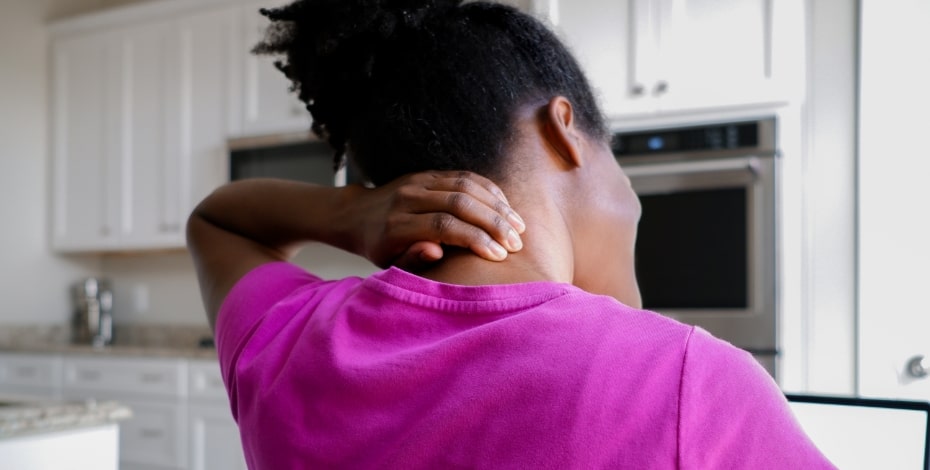
A woman reaches over her shoulder to comfort her shoulder blade in a gesture of pain.
INMOTION 01 Nov, 2022

Treatments for non-specific neck pain

Worldwide, chronic non-specific neck pain is common, costly and disabling, say physiotherapy researchers Greta Castellini, Silvia Bargeri and Paolo Pillastrini.

Although neck pain has multifactorial causes, in individual cases the aetiology is generally not reliably identifiable and therefore it is classified as non-specific neck pain.

Recently, a group of Italian researchers conducted a systematic literature review of the evidence to search for all available treatments.

A woman is reaching up to comfort a sore shoulder.
INMOTION 01 Nov, 2022

Labels and advice for rotator cuff disease

Dr Josh Zadro and colleagues recently conducted a randomised experiment including over 2000 people with shoulder pain. Here, Josh answers a few important questions about the study.

Why did you decide to undertake this study? Did it build on any previous work in particular?

This study directly built on one we published in 2021 investigating whether people’s management preferences were influenced by different diagnostic labels for rotator cuff disease.

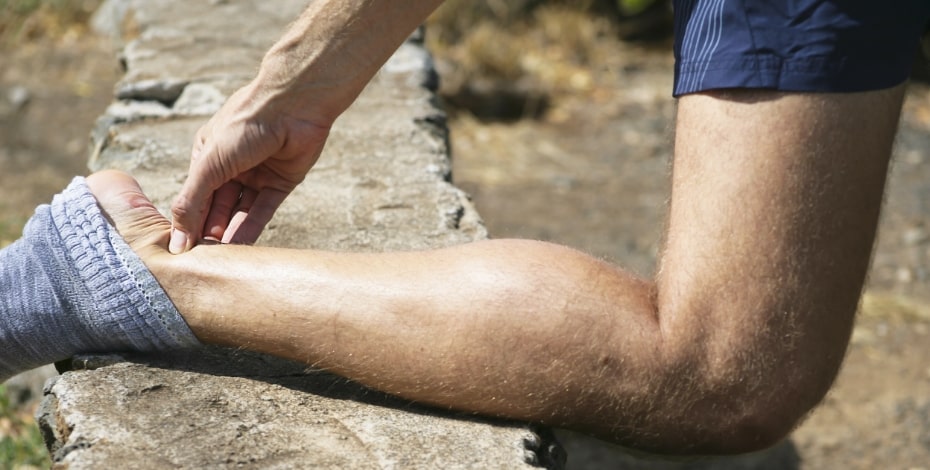
A leg stretched out backwards with a hand gripping the Achilles tendon area.
INMOTION 01 Nov, 2022

Recent thinking on Achilles tendinopathy

Peter Malliaras discusses his Invited Topical Review on physiotherapy management of Achilles tendinopathy in the latest issue of Journal of Physiotherapy.

Your Invited Topical Review recognises two types of Achilles tendinopathy. Why is this distinction important?

A group of people sitting at a work desk chatting happily.
INMOTION 01 Nov, 2022

Are new graduates prepared?

Final-year physiotherapy student Martin Collyer and physiotherapist researchers Dr Roma Forbes and Curtley Nelson reflect on the role of the new graduate and call on the profession to consider changing the dialogue about our newest members.

One of the most important goals for any organisation is to attract enthusiastic and work-ready new graduates who will grow into highly skilled future professionals.

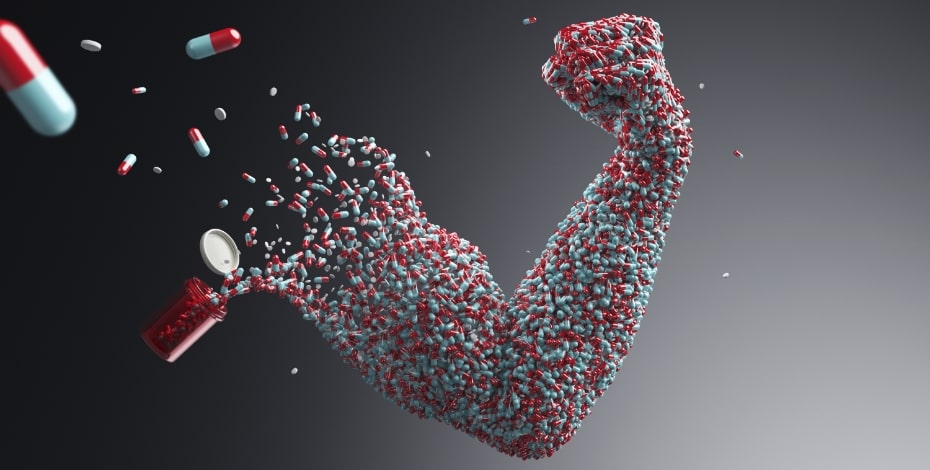
Graphic image of a muscle-flexing arm made up of pills spilling from a bottle.
INMOTION 03 Oct, 2022

Muscling in on the supplement debate

Ankita Bhangui discusses research into the use of dietary supplements by athletes to maximise athletic performance and to aid in recovery after training or competition.

With an increasing value placed on competitive sport, demands on athletes to improve fitness and performance levels have also increased.

More emphasis is now being put on training and conditioning as the athlete strives to maximise physical capacity.

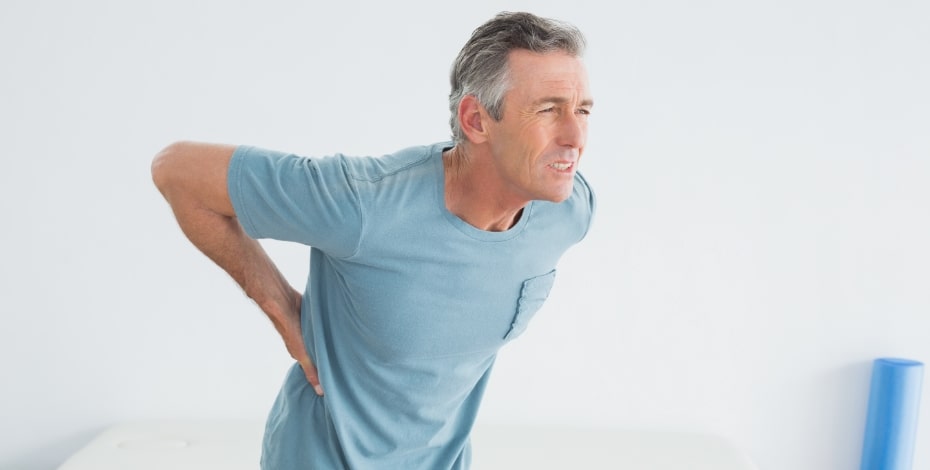
Man in a blue T-shirt clutches his back as if it hurts.
INMOTION 03 Oct, 2022

Trial gets back to finding support

A randomised controlled trial to help reduce the burden of low back pain is now underway and needs your help. Research assistant Carlos Mesa Castrillón discusses the Get Back to Healthy study and the need for participants and input from physiotherapists.

Low back pain (LBP) is now recognised as an ongoing condition that for many is likely to shift and change over their lifetime.

Many of those treated for LBP in primary care will have low to moderate-intensity pain that fluctuates and continues for the long term.

A stack of wooden blocks with red question marks on them, with the top block turned to show a lightbulb.
INMOTION 03 Oct, 2022

Your questions answered

The October issue of Journal of Physiotherapy is packed with evidence on topics you may have considered in your physiotherapy practice, writes Mark Elkins.

How should I manage Achilles tendinopathy?

Given that Achilles tendinopathy is localised pain in a single tendon, it seems as though it ought to be straightforward, yet it has been the focus of massive amounts of research into its pathology, its natural clinical course and its management.