Research

New additions to Editorial Board
INMOTION 01 Feb, 2022

New additions to Editorial Board


Associate Professor Peter Malliaras from Monash University and Dr Kate Hayward from University of Melbourne are the newest additions to the Journal of Physiotherapy Editorial Board, commencing their three-year term at the start of January.


Are physiotherapy graduates ready for work?
INMOTION 01 Feb, 2022

Are physiotherapy graduates ready for work?


PhD candidate Vidya Lawton is investigating stakeholder perspectives on the work readiness of graduate physiotherapists in the Australian healthcare system, assisted by three anonymous online surveys.


Work readiness and employability have been gaining more attention in the higher education sector, with increasing pressure from industry to produce graduates who remain highly skilled and adaptable (Australian Workforce Productivity Agency 2013, Yorke 2006).

Aquatic physiotherapy
INMOTION 01 Feb, 2022

Aquatic physiotherapy


Sophie Heywood, Jillian Chua and Anna Scheer from the Aquatic group present five discussion points about the benefits of aquatic physiotherapy in rehabilitation and the prevention and management of a variety of conditions.


1. Aquatic plyometric training is effective in improving strength, jumping and sprinting


Interest in using plyometric exercises to improve power and function in older adults (Vetrovsky et al 2019) and clinical populations (Cordner et al 2021) is growing.

INMOTION 01 Feb, 2022

Catch up with the latest research


JOURNAL OF PHYSIOTHERAPY Have you had a chance to check out the January issue of the Journal of Physiotherapy? Editor Mark Elkins provides a few highlights.


Lung ultrasound offers physiotherapists greater diagnostic accuracy than auscultation or chest radiograph in ventilated patients


Physiotherapists in intensive care need to diagnose lung problems (such as pleural effusion, consolidation, and atelctasis or lung collapse) in order to apply appropriate interventions.

Knowledge is a powerful driver of change
INMOTION 31 Dec, 2021

Knowledge is a powerful driver of change


When Claire Baldwin stepped onto the stage as a ballerina in her teens, little did she know her dream of becoming a physiotherapist for the Australian Ballet would change and lead her down a very different path—creating positive changes through research and education on the world stage. 


As an early graduate, Claire Baldwin, APAM, wasn’t heading directly towards a career in research.

Tablet-based exercise in wrist, hand and finger injuries
INMOTION 31 Dec, 2021

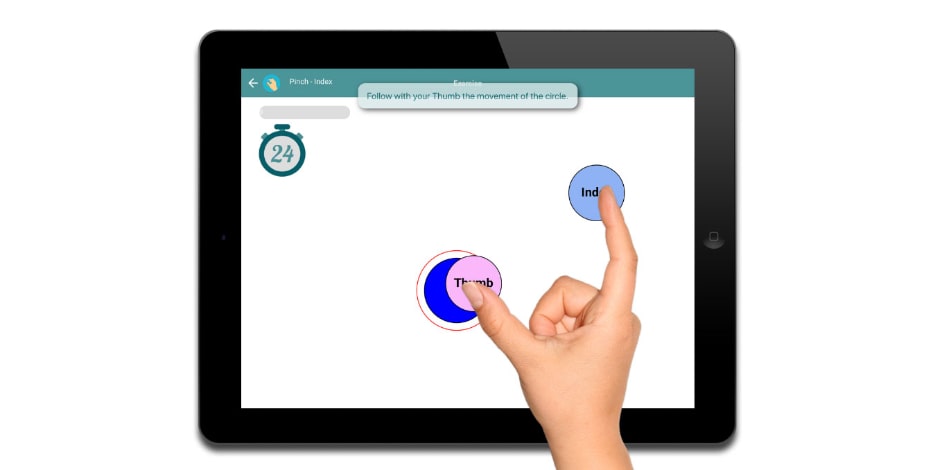
Tablet-based exercise in wrist, hand and finger injuries


Do feedback-guided exercises performed on a tablet touchscreen hasten return to work, reduce healthcare usage and improve clinical recovery more than a home exercise program prescribed on paper? Q&A with María-Dolores Cortés-Vega.


Your trial compared two different approaches to providing a home exercise program after a bone or soft tissue injury of the wrist, hand and/or fingers. What are some examples of the sorts of injuries that the study participants had?

Physiotherapy care for knee osteoarthritis
INMOTION 31 Dec, 2021

Physiotherapy care for knee osteoarthritis


What are the experiences of physiotherapists delivering care for people with knee osteoarthritis, and how do these experiences align with the national Clinical Care Standard? Q&A with Rana Hinman and Samantha Teo.


Professor Roberta Shepherd is an APA Honoured Member and an Honorary Professor at Sydney University. She is a pioneer in neurological and paediatric physiotherapy, working throughout her career as an educator and researcher. 

Research questions answered
INMOTION 31 Dec, 2021

Research questions answered


What does the research say about managing patients with knee osteoarthritis; a tablet-based exercise approach to wrist, hand and finger injuries; and Bobath training for the lower limb after stroke? Read on.


Bobath therapy and lower limb activities after stroke


Does Bobath therapy improve lower limb activity performance, strength or coordination when compared with no intervention or other intervention? Q&A with Kate Scrivener and Roberta Shepherd.

Five facts about … metabolic syndrome
INMOTION 31 Dec, 2021

Five facts about … metabolic syndrome


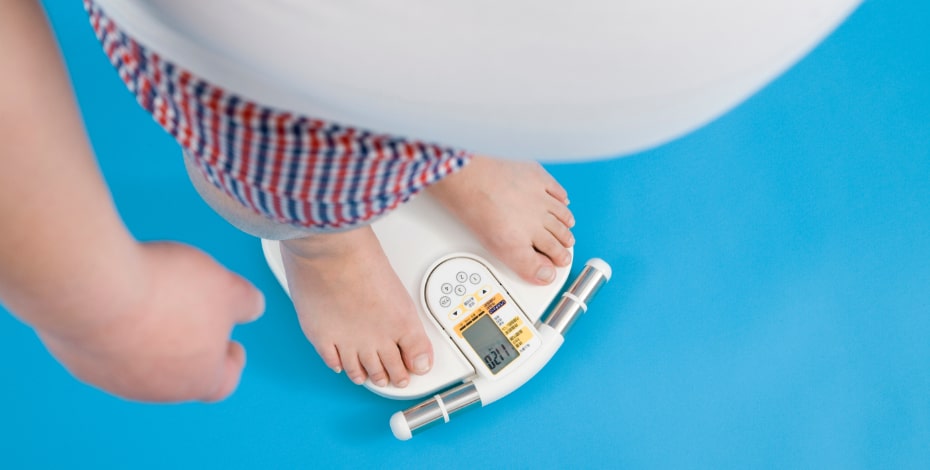
Here are five discussion points about metabolic syndrome that outline how physiotherapists can intervene to prevent chronic disease.


1. Metabolic syndrome is a cluster of risk factors


Metabolic syndrome is the name given to a combination of specific risk factors that commonly occur together to raise the risk of chronic disease.

Physical activity in gestational diabetes
INMOTION 31 Dec, 2021

Physical activity in gestational diabetes


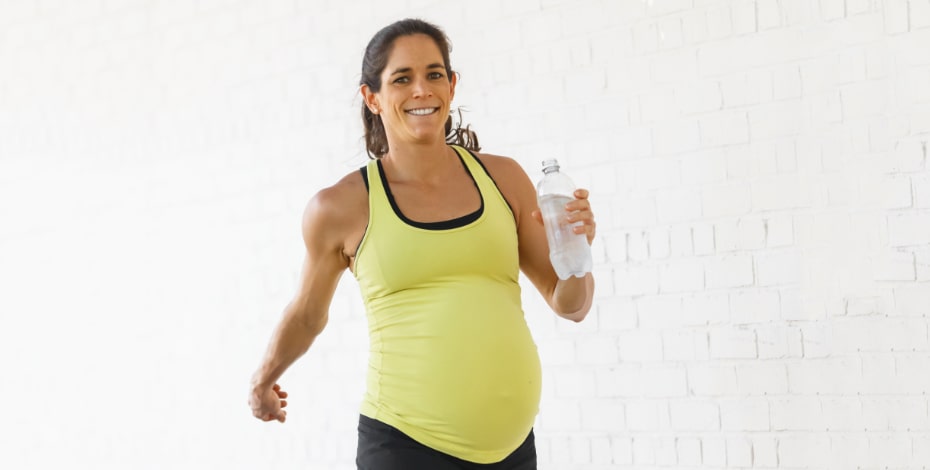
For women with gestational diabetes, provision of an infographic co-created with consumers, in addition to usual education about gestational diabetes, led to worthwhile improvements in both knowledge and self- efficacy about physical activity during their pregnancy. Q&A with Anne Harrison.


You recently published a trial involving women with gestational diabetes mellitus. Why is this an important condition to identify and manage?