Research

Urinary incontinence: don’t just go with the flow
INMOTION 31 Dec, 2021

Urinary incontinence: don’t just go with the flow


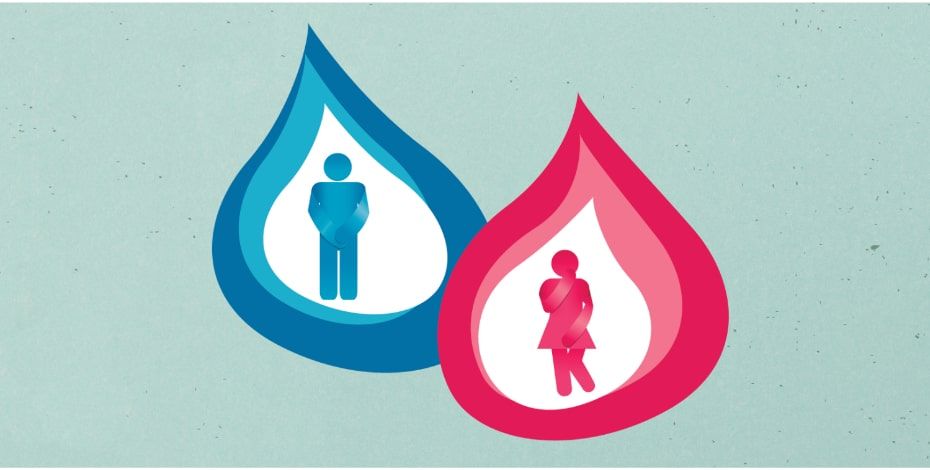
People with urinary incontinence often suffer in silence, not knowing who to turn to or how to find help. World Continence Week, 17–23 June, brings into focus the impact that urinary incontinence has on many lives, and why it is important to seek help. This month, InMotion speaks with physiotherapy practitioners, educators and researchers who are the at frontline of change in treating this debilitating condition.


Going public

PRF and advocacy have your back
INMOTION 31 Dec, 2021

PRF and advocacy have your back


The Physiotherapy Research Foundation and the advocacy team at the APA came together last year to decide which research topic would be the most beneficial in advocating for the physiotherapy profession. Fortuitously, they settled on telehealth.


 The allocation of grants to emerging and experienced researchers to help advance physiotherapy knowledge and practice is the established province of the Physiotherapy Research Foundation (PRF).

Hands-on online tendinopathy treatment
INMOTION 31 Dec, 2021

Hands-on online tendinopathy treatment


With his course ‘Mastering Lower Limb Tendinopathy’ delivered in an online setting, Peter Malliaras outlines the importance of practical application when learning theory.

Ethics committees and research papers, a match made in practice
INMOTION 31 Dec, 2021

Ethics committees and research papers, a match made in practice


The relationship between an ethics committee and ethical research is intrinsic. Emre Ilhan and Cathy Said, who sit on university and hospital ethics committees respectively, share their insights. 


What is your background as a physiotherapist?


EMRE My main areas of clinical work are in acute adult and paediatric care. I am also completing a PhD in neonatal and infant pain and work as a lecturer at Macquarie University.

Upper limb injury and driving: when is it safe?
INMOTION 31 Dec, 2021

Upper limb injury and driving: when is it safe?


Completing her undergraduate physiotherapy degree in 2005 at Curtin University in Western Australia, Susie Stinton, APAM, is a Perth-based physiotherapist who works part-time practising in a private hand therapy clinic while undertaking her PhD, via distance, through the University of Sydney.

Neuromuscular electrical stimulation during haemodialysis
INMOTION 31 Dec, 2021

Neuromuscular electrical stimulation during haemodialysis


This systematic review finds that for people on hemodialysis who cannot voluntarily exercise, intradialytic neuromuscular electrical stimulation improves functional capacity and muscle strength. Here is a Q&A with Professor Pedro Valenzuela. 


Is there a large population of people with chronic kidney disease who use haemodialysis regularly?

Physiotherapy management of sciatica
INMOTION 31 Dec, 2021

Physiotherapy management of sciatica


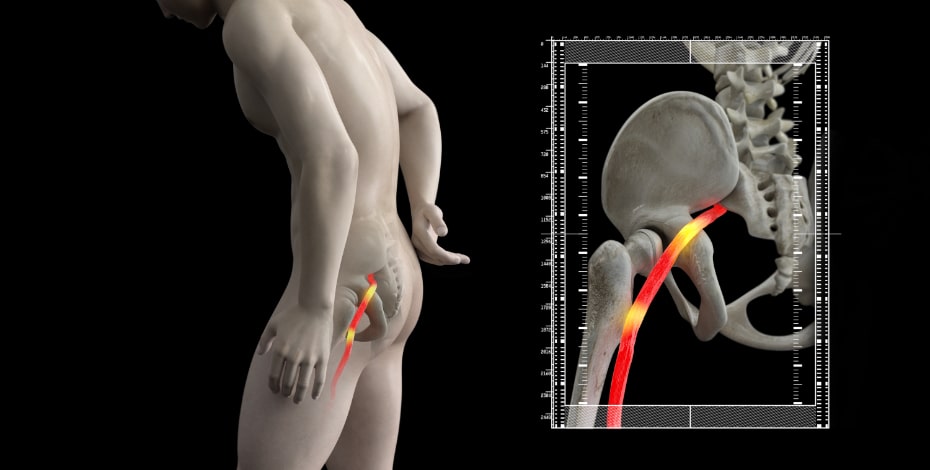
​The April issue of the Journal of Physiotherapy includes an Invited Topical Review on physiotherapy management of sciatica. Here is a Q&A with Professor Raymond Ostelo.


Does everyone agree on the definition of sciatica and how common it is?

The lumbar spine and pelvic region is nothing to fear
INMOTION 31 Dec, 2021

The lumbar spine and pelvic region is nothing to fear


Trish Wisbey-Roth is a prolific educator and is the  creator and teacher of the ‘3D assessment and treatment of the lumbar spine and pelvis’ course to be  held 25–26 July.


How did this course come about, and what was the motivation behind it?

Impressive effects identified in the latest research
INMOTION 31 Dec, 2021

Impressive effects identified in the latest research


Editor Clinical Associate Professor Mark Elkins summarises the research in the latest issue of the Journal of Physiotherapy.


The April issue of the Journal of Physiotherapy contains research into the physiotherapy management of sciatica, assessment of physiotherapy students on clinical placements, and early mobilisation in the intensive care unit.


Some of the other studies in this issue are highlighted in more detail below.

Text message intervention to improve function in people with low back pain
INMOTION 31 Dec, 2021

Text message intervention to improve function in people with low back pain


The TEXT4myBACK team outline their study to assess if education and advice delivered by text message will help people with low back pain self-manage and improve their health outcomes.


Low back pain (LBP) affects approximately one in six Australians at any one time and four in five people will be affected by it sometime in their lives. LBP also accounts for approximately $9 billion in direct and indirect healthcare costs in Australia  every year and is the leading cause of disability worldwide.