A family passion for physiotherapy
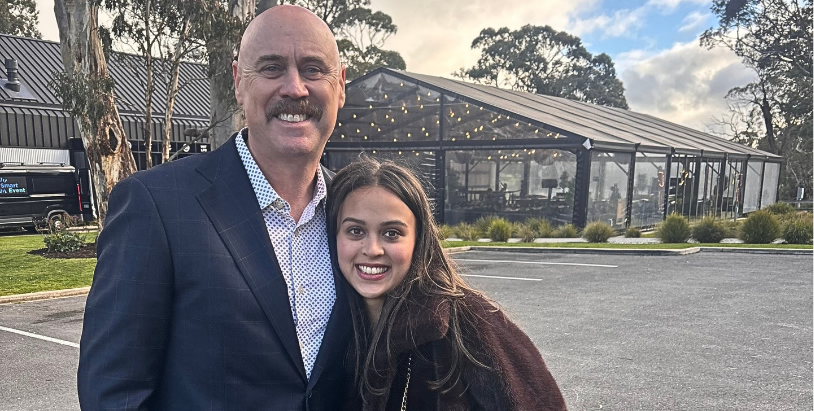
Marcus Mancer has enjoyed a physiotherapy career spanning almost three decades. His work has taken him well beyond the traditional clinic, with rural and remote practice opening up an unexpected world of opportunities.Now Marcus’s daughter Mali is following a similar path, studying physiotherapy and developing her own interests in the profession. InMotion spoke to the pair about their shared passion, the influence of family and what happens when conversations around the dinner table turn clinical.
Q: Mali, physiotherapy has been part of your life for as long as you can remember. How did growing up around the profession influence your decision to study it?
Mali: Physiotherapy was always there throughout my childhood. I remember Dad having his clinic at home and later spending afternoons at the practice with my siblings. Growing up in a sporty family, health, biology and sport were also things I was interested in. In high school I particularly enjoyed biology, health and physical education. Physiotherapy seemed like a natural direction. Looking back at my university preferences, every option was physiotherapy, with exercise physiology as my last choice. I’ve known what I wanted to do for quite a while.
Marcus: Physiotherapy was always around in our household. Early on I had a room at home that operated as a clinic, so the children grew up seeing patients coming and going. Later, when I opened a clinic (Tangible Health in Darwin), the kids would spend their afternoons there after school, hanging around in the team space. Mali also did a school exhibition on physiotherapy in Year 5, using the APA as a source of information. She put together posters, facts and little gadgets entirely on her own initiative. So perhaps her interest was there much earlier than either of us realised.
Q: Marcus, your career has taken you into some quite different areas of practice. What has inspired you most about your professional journey?
Marcus: My career has evolved considerably over the years. I’m now about 28 years into the profession and much of my work has shifted towards prevention rather than the one-to-one clinical care that occupied much of my early career. Rural and remote work has provided some extraordinary experiences and opportunities to work in environments that are very different from traditional physiotherapy settings.
Mali: I’ve always been inspired by Dad’s work in rural preventive care and manual handling, rather than just mainstream clinical practice. As a family, we spent a lot of time camping during the school holidays and over the past few years Dad has managed to add some work to the end of those trips. Being able to travel as a family to places where he works has been really appealing. I’ve also had a couple of opportunities to sit in and observe him working. Coming from Darwin, and now studying in Adelaide, I’ve become aware that some communities don’t have an abundance of healthcare professionals. I’d really like to give something back in the future.
Q: Mali, you’re now in your third year of physiotherapy study. What has the experience been like, and has anything surprised you about the profession?
Mali: The first year was a relatively smooth transition because I’d studied biology at school and already had an interest in biomechanics and the physical aspects of the profession. I made some great friends but the workload became much more demanding during the second year and the beginning of third year. Balancing university, a part-time job and a social life was challenging. Moving into clinical placements has been a particularly enjoyable part of the experience. I’ve recently undertaken a placement at a hospital-based chronic pain service. It’s a public service and it’s full on but I’m learning a lot and have had some great teachers. I’ve also enjoyed discovering just how broad physiotherapy is. I can see myself potentially working in private practice, particularly in sports or musculoskeletal physiotherapy, but I still have several areas to explore before making any decisions.
Marcus: I’m delighted that Mali is enjoying her course and having positive clinical placement experiences. That’s not something we should take for granted, particularly when student experiences of clinical placements have been a concern within the profession. It’s lovely to see her enthusiasm when she talks about a patient improving or something she’s learned. She’s beginning to put all the pieces together and she’s starting to sound like a young professional. I think having the chance to experience different areas of physiotherapy is incredibly valuable before she can decide where she wants to take her career.
Q: Your conversations have increasingly turned to physiotherapy. Have they changed as Mali has progressed through her studies?
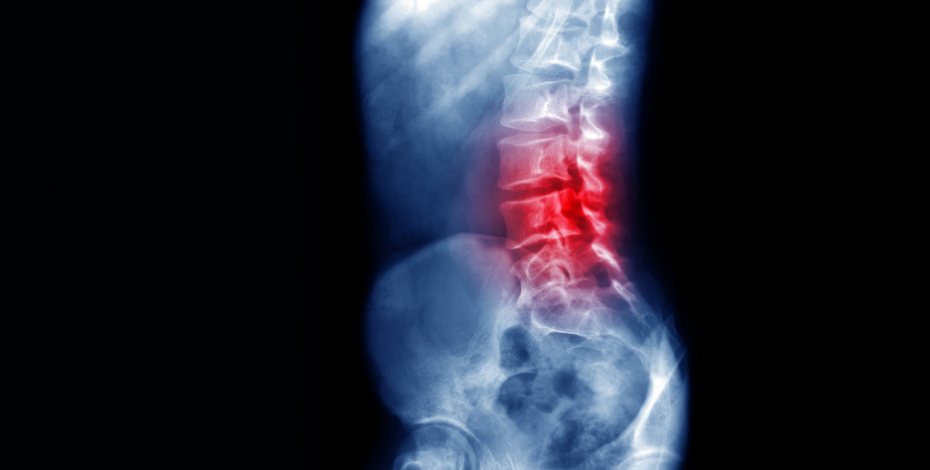
Marcus: Very much so. Initially our conversations were quite scientific, focusing on things such as neuroanatomy and the mechanics of injury. Now we’re talking much more about how people behave when they’re in pain, what motivates them and what drives their outcomes. We recently discussed some of the clients Mali has been seeing in the chronic pain clinic. You might have all your knowledge about low back pain ready to go but then patients start telling you about their experiences and beliefs and the conversation changes completely. We’re beginning to talk about fear-avoidance behaviours, anxiety and factors that influence someone’s willingness to get better.
Mali: We talk about physiotherapy more now than we used to. I sometimes call Dad when I have questions and we’ve had some lengthy conversations about things I’ve been learning. It’s particularly interesting now that I’m getting into clinical placement and starting to see how theory translates into practice.
Q: How has sharing this professional interest changed your relationship, and what has it meant to support one another?
Mali: I think our relationship has naturally evolved as I’ve progressed through university. We didn’t have many detailed physiotherapy conversations during my first year and a half because I was still learning the basics. Now that I am further along, it’s interesting to talk through things with Dad and hear his perspective.
Marcus: It’s brought me an enormous amount of joy. I had a great university experience myself, so hearing Mali talk about what she’s learning and seeing her enthusiasm brings some of that back. It also rejuvenates my own enthusiasm for the profession. After nearly three decades, and having moved towards a more preventive role, it’s interesting to reflect on the clinical experiences I’ve had and share some of the things I’ve learned along the way. I’m intrigued to see what the next five or six years might look like. Perhaps we’ll work together one day or there might be a business idea or an adventure where my experience could help her. There is no pressure for that to happen but the possibility is exciting.
Q: Looking ahead, where might physiotherapy take you, Mali, and what are you both hoping for the future?
Mali: The closer I get to graduating, the more I’m thinking about rural and remote practice. I’ll probably stay in Adelaide for a little while after graduating but if there were an opportunity to undertake a rural placement next year, I’d jump at it. Having grown up in Darwin and moved away to study in Adelaide, I think I’ve developed the confidence and independence to feel comfortable working in a rural setting. I’d also love to explore more of what the profession has to offer before settling on a particular direction. Ultimately, I think physiotherapy offers so many opportunities to get out there and widen your circle, build new connections and explore new things. I’m looking forward to discovering where that takes me.
Marcus: I’m excited to see where Mali takes her career but I want her to make those decisions herself. There is no pressure to return to Darwin, pursue rural practice or work in a particular area. I’d love to see her explore different opportunities and find what she enjoys.
© Copyright 2026 by Australian Physiotherapy Association. All rights reserved.