
NHMRC and MRFF grants 2026
Four research projects led by physiotherapists were recently awarded National Health and Medical Research Council and Medical Research Future Fund grants, writes Brendan Bugeja.

Josh Zadro APAM (left) is a physiotherapist and associate professor at the University of Sydney’s Institute for Musculoskeletal Health.
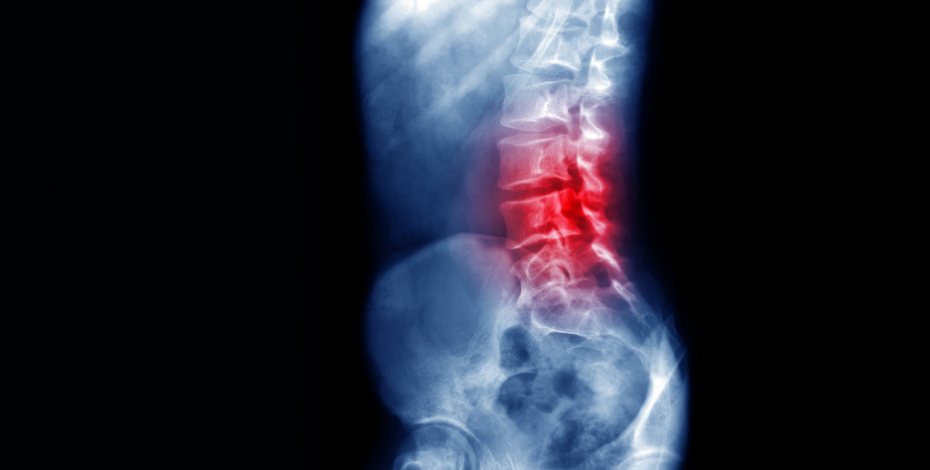
His research concentrates on improving the delivery of care for people with musculoskeletal conditions, particularly low back pain, with a focus on reducing ineffective care and improving access to evidence-based treatment.
Josh is the chief investigator in a multidisciplinary team for a project titled ‘Restructuring health services to ensure equitable access to effective, affordable care for people with low back pain’, which received a $3,930,039.68 grant from the Medical Research Future Fund (MRFF).
‘The project aims to improve how Australians with low back pain access and receive care.
We are developing and testing three new models of care: a virtual physiotherapist-led triage service for people referred to spine surgery clinics, a second-opinion program for people being considered for spinal fusion and an early intervention model for people with persistent pain after spine surgery,’ says Josh.
The first stage of the project entails co-designing models with patients, clinicians and other key stakeholders, which will then be evaluated through a randomised controlled trial.
Economic and process evaluations will also take place to ensure the models are effective, cost-effective and feasible for broad implementation.
Josh says, ‘We hope the models will improve patient outcomes, reduce unnecessary or delayed care and make better use of healthcare resources.
Ultimately, the aim is to provide people with low back pain with faster access to effective care while reducing unnecessary surgery and other low-value treatments.’
The researchers believe the project could expand the role of physiotherapists in managing low back pain, particularly within hospital and specialist pathways, with physiotherapists playing a greater role in triaging patients referred to spine surgeons, providing early management and coordinating care.

Dr Ianthe Boden (left) is a hospital-based physiotherapist and clinical researcher with a particular interest in improving outcomes for people undergoing major surgery and those in intensive care.
Much of her research career has focused on identifying what physiotherapists can do before and after surgery to prevent complications and improve patient recovery.
Ianthe will lead a project titled ‘BREATH: emBedding Respiratory prEhabilitation into AusTralian Hospitals’, with the University of Melbourne, which received a $4,866,569.00 grant from the MRFF.
The team includes fellow physiotherapists Professor Linda Denehy FACP and Dr Jamie Waterland at the University of Melbourne, Sarah White at Charles Sturt University, Benjamin Gehrke MACP at Cabrini Health and Kirsty Watson at Rockhampton Hospital.
‘We have compelling evidence that preoperative physiotherapy including education, breathing exercise coaching and inspiratory muscle training can substantially reduce pulmonary complications after major surgery. Respiratory prehabilitation is inexpensive and highly cost-effective.

The problem is that most Australian patients still don’t have access to it, particularly those receiving care in regional areas and people from culturally and linguistically diverse backgrounds,’ says Ianthe.
The project will involve several stages: mapping current respiratory prehabilitation services across Australia, identifying barriers and enablers to implementation, and co-designing strategies to improve the embedding of respiratory prehabilitation into usual care practice.
A trial will then randomise 10 hospitals to receive these implementation strategies and resources or not, to see if this helps accelerate the uptake of respiratory prehabilitation by physiotherapists in public and private hospitals.
Depending on the trial results, BREATH will also develop practical implementation resources and training programs for use in all Australian hospitals.
‘The ultimate outcome is very practical: more Australians that are having major surgery receiving an effective intervention that can reduce their risk of postoperative pulmonary complications, shorten hospital stays, improve patients’ experiences and outcomes, and reduce healthcare costs,’ says Ianthe.

Professor Michele Sterling FACP (left) is an APA Titled Musculoskeletal Physiotherapist, a Specialist Research Physiotherapist (as awarded by the Australian College of Physiotherapists in 2009) and a professor at the University of Queensland, where she leads a National Health and Medical Research Council (NHMRC) Centre of Research Excellence and a research program at the RECOVER Injury Research Centre.
Michele is the chief investigator in a project titled ‘Advancing treatment for road traffic injury: from trials to implementation’, which recently received $3,035,320.00 in funding from the NHMRC.
‘Around half of people with non-catastrophic road traffic injuries experience ongoing pain, disability or psychological difficulties and current treatments do not work well enough for many people.
The program has two main aims: to develop and test early, targeted treatments that can prevent chronic pain and to find effective ways of implementing better models of care within healthcare and compensation systems,’ says Michele.
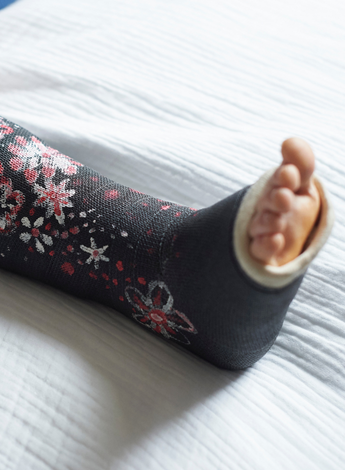
The project consists of interconnected studies that will use a range of research methods: randomised controlled trials to test promising early treatments, including physiotherapy and psychological, pharmacological and digitally delivered approaches; adaptive platform trials to test multiple treatments and help determine which treatments work best for which patients; implementation studies to examine how evidence-based models of care can be incorporated into physiotherapy practice, rural and remote healthcare, and compensation systems; and qualitative research and health economic evaluations.
‘Physiotherapists are often among the first clinicians to manage people following musculoskeletal road traffic injury so they are well placed to influence recovery. This research aims to move physiotherapy towards more personalised care – identifying patients at risk of poor recovery, recognising the different factors contributing to their presentation and matching treatment accordingly.
It will also investigate how we can better train and support physiotherapists to confidently integrate psychological strategies with physical rehabilitation rather than viewing these as separate components of care,’ Michele says.

Dr Myles Murphy MACP (left) is an associate professor and director of the Centre for Injury Prevention and Pain at the University of Notre Dame in Perth.
Myles is an APA Titled Sports and Exercise Physiotherapist whose research often centres on the drivers of pain and impairment in lower limb musculoskeletal injury and disability.
Myles is the chief investigator in a project titled ‘Reducing the burden of injury in Australian police force recruits’, which recently received $608,092.00 in funding from the NHMRC.
The research will explore the physical and mental demands on recruits to help guide evidence-based entrance standards and to improve the health and wellbeing of police force recruits across Australia.
‘My program of research will consist of several studies. My first study will track the physical and mental load of police force recruits throughout their entire academy training journey.
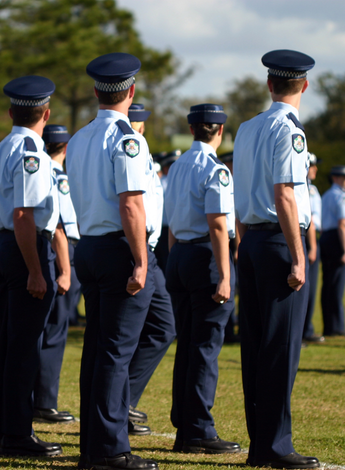
I will then use data from a 10-year surveillance window to help set evidence-informed physical entrance standards to minimise injury and drop-out. The largest part of my fellowship is looking across Australia to determine how we can implement injury-prevention interventions,’ Myles says.
It is hoped that the research will inform policies related to recruitment of police force recruits across Australia in order to reduce recruit injury and attrition, leading to a healthier police force with better workforce availability.
By establishing the physical and mental loads experienced by police force recruits, Myles and his team of researchers will be able to provide physiotherapists across Australia with some key criteria to meet when preparing people for academy training or rehabilitating them from injury.
© Copyright 2026 by Australian Physiotherapy Association. All rights reserved.