
Exercise and physical activity

Flying the flag for dance physiotherapy
INMOTION 31 Dec, 2021

Flying the flag for dance physiotherapy


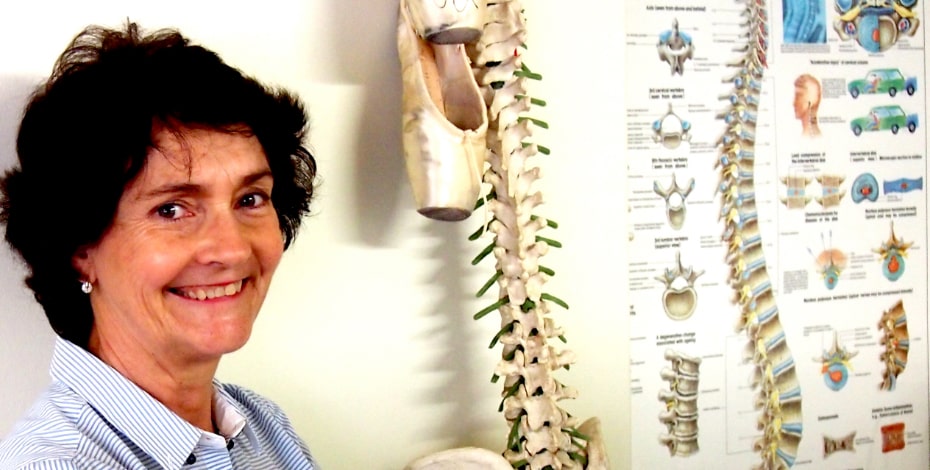
PROFILE: It might have been exit stage left from her six-year, three-term position on the Board of the International Association for Dance Medicine & Science (IADMS), but the show is certainly not over for Debra Crookshanks.

Dive into the research
INMOTION 31 Dec, 2021

Dive into the research


JOURNAL OF PHYSIOTHERAPY: The January issue is out and as usual there are plenty of excellent articles on the science and practice of physiotherapy.


EXERCISE FOR COGNITION AND BEHAVIOUR IN DEMENTIA


This systematic review finds that exercise reduces global cognitive decline and lessens behavioural problems in people with mild cognitive impairment or dementia. Q&A with Professor Marco Pang.

Race running to promote good health
INMOTION 31 Dec, 2021

Race running to promote good health


A Queensland physiotherapist is the driving force behind the emerging popularity in Australia of an international sport for people with disabilities. Marina Williams speaks with Dr Sarah Reedman about RaceRunning.


Getting people with a disability active through sport
INMOTION 31 Dec, 2021

Getting people with a disability active through sport


Louise Daniels and Rachel Toovey discuss the creation of therapy programs to help patients with disabilities be more active and involved in sports participation.

Physio mission to Africa helps children
INMOTION 31 Dec, 2021

Physio mission to Africa helps children

A team of five Australian physiotherapists who volunteered to help severely disabled children in desperate circumstances in Zimbabwe has returned home feeling more seasoned for the experience. On the first venture of its kind through the One Night for One Year charity, the physiotherapists were met with more than 800 children wanting help when they arrived at the Open Heart Disability Care Trust Centre located three hours outside of Harare, the nation’s capital.

We can help men to get moving
INMOTION 31 Dec, 2021

We can help men to get moving

Men’s health is a relatively new area for the physiotherapy profession, and community campaigns such as Movember are helping reduce the stigma and silence around many topics inherent in men’s health. As a physiotherapist specialising in men’s health, I am often confronted by the vulnerability men display when approaching this area of need for possibly the first time in their lives.

Motor imagery training in older adults
INMOTION 31 Dec, 2021

Motor imagery training in older adults


Vaughan Nicholson provides details of the systematic review and meta-analysis into whether motor imagery training improves balance and mobility outcomes in older adults.


What is motor imagery?

Expectations of physiotherapy by Australian adults
INMOTION 31 Dec, 2021

Expectations of physiotherapy by Australian adults


In addition to other physiotherapy management of their condition, people expect to receive advice about physical activity and other health behaviours when they attend a physiotherapy clinic. Breanne Kunstler elaborates on the survey.


Your study investigates the issue of how patients would feel about receiving advice to increase physical activity levels, as part of a physiotherapy appointment. What had previous evidence shown on this topic?

Home-based exercise for Parkinson's disease
INMOTION 31 Dec, 2021

Home-based exercise for Parkinson's disease


Allyson Flynn discusses the systematic review investigating whether home-based prescribed exercise improves balance- related activities in people with Parkinson’s disease, and has benefits similar to centre-based exercise.


Before you did your review, what was already known about the effects of exercise for people with Parkinson’s disease?

Advice about activity for older inpatients
INMOTION 31 Dec, 2021

Advice about activity for older inpatients


Adriana Lunardi gives insights on how physiotherapist advice to older inpatients about the importance of staying physically active during hospitalisation reduces sedentary time, increases daily steps and preserves mobility.


Some of the facts and figures about sedentary behaviour during hospitalisation are quite shocking. Can you summarise a few of these?