Pain

Improving pain for young people
INMOTION 31 Dec, 2021

Improving pain for young people


Improving the quality of life for young people experiencing persistent pain is a focus of interest for APA member Bec Fechner. 


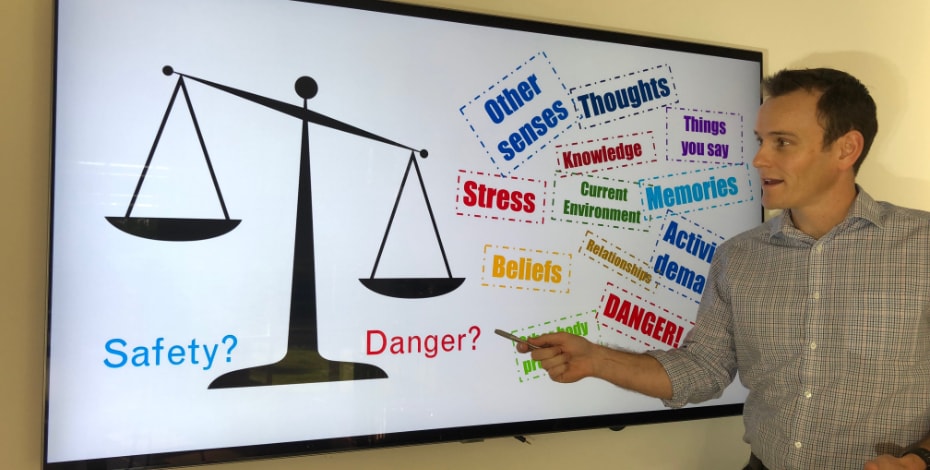
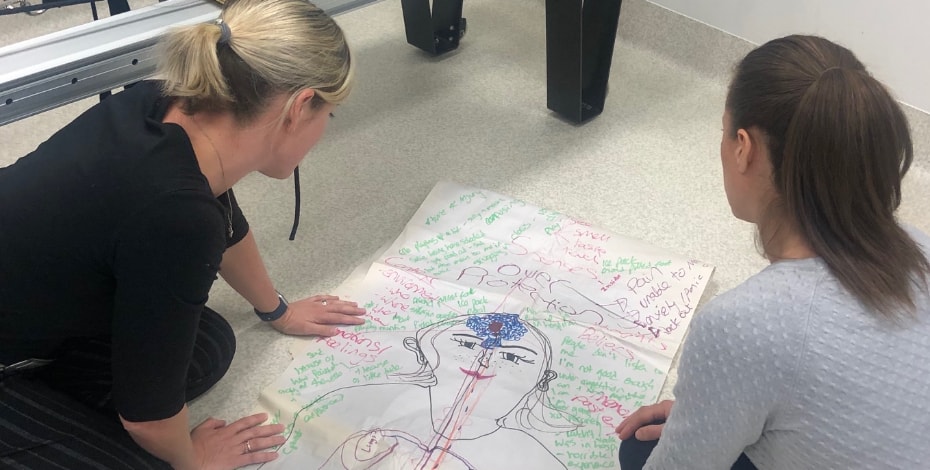
In her role as a senior physiotherapist with the Queensland Interdisciplinary Paediatric Persistent Pain Service (QIPPPS) at Queensland Children’s Hospital, Bec Fechner supports children and their families to understand the biopsychosocial complexity of persistent pain.


Talking the talk
INMOTION 31 Dec, 2021

Talking the talk


Having a positive, long-term health impact on your patients can be boosted by ensuring you use the right language and approach in your role as communicator, writes Cassandra Zaina, FACP.


Have you ever stopped to think of the role you play in influencing the long-term health outcomes of your patients? We are often focused on the short-term results of an episode of treatment, but how do we create long-term change to help our patients achieve healthy habits, improve resilience and health literacy to avoid injury into the future?

Risk of recurrence of low back pain
INMOTION 31 Dec, 2021

Risk of recurrence of low back pain

Mark Hancock one of the authors of ‘Risk of recurrences of low back pain: a prospective inception cohort study’, elaborates on this research, published in the latest issue of the Journal of Physiotherapy.


Among those who recover from low back pain, do we know much about whether it reoccurs?

CONFERENCE: Pain
INMOTION 31 Dec, 2021

CONFERENCE: Pain


International keynote speaker Jennifer Stinson will describe how her work applies a user-centred design approach to developing and evaluating digital health technologies.

Bespoke course empowering patients with persistent pain
INMOTION 31 Dec, 2021

Bespoke course empowering patients with persistent pain


Physiotherapists at a Victorian clinic believe knowledge is power, and through an innovative program they are ensuring their patients become as powerful as possible. 


‘Recover’ is a five-week course on offer at Beleura Health Solutions that is designed to give patients who suffer from persistent pain a deeper understanding of why and what they are experiencing, and the information to help them identify and implement strategies and actions to better manage their condition.

CONFERENCE: Acupuncture and dry needling
INMOTION 31 Dec, 2021

CONFERENCE: Acupuncture and dry needling


International keynote speaker Dr Panos Barlas will deliver a pre-conference workshop on ‘Clinical gems for common physiotherapy conditions’ as well as another workshop on the treatment of pelvic and low back pain in pregnant women.

Discover Part A of APA’s foundational musculoskeletal courses
INMOTION 31 Dec, 2021

Discover Part A of APA’s foundational musculoskeletal courses


Dr Karen Richards, chair of the spinal course review committee, sheds more light on the Spinal Physiotherapy Part A (Lumbar) and Spinal Physiotherapy Part A (Cervical) courses.


Broadly speaking, what is covered in the Part A courses, and what is not?


The Part A courses are foundational level courses. They are built around a clinical reasoning model. While it is acknowledged there can be many different biopsychosocial contributors to the pain experience, the

Clinical implications from research in your Journal
INMOTION 31 Dec, 2021

Clinical implications from research in your Journal


Mark Elkins, APAM, summarises the content of the latest issue.

SUPER rehab for young people with old knees
INMOTION 31 Dec, 2021

SUPER rehab for young people with old knees


Dr Adam Culvenor, APAM, summarises an NHMRC-funded project to evaluate the effectiveness of exercise therapy in preventing knee osteoarthritis in young adults following knee injury.

Education is the key to patient perceptions
INMOTION 31 Dec, 2021

Education is the key to patient perceptions


In this case study, Taishi Ezaki applies a cognitive functional therapy approach to a post-surgical low back and leg pain patient with a proposed pathoanatomical pain source, where multidimensional factors were identified as the main contributions to their presentation.