Research

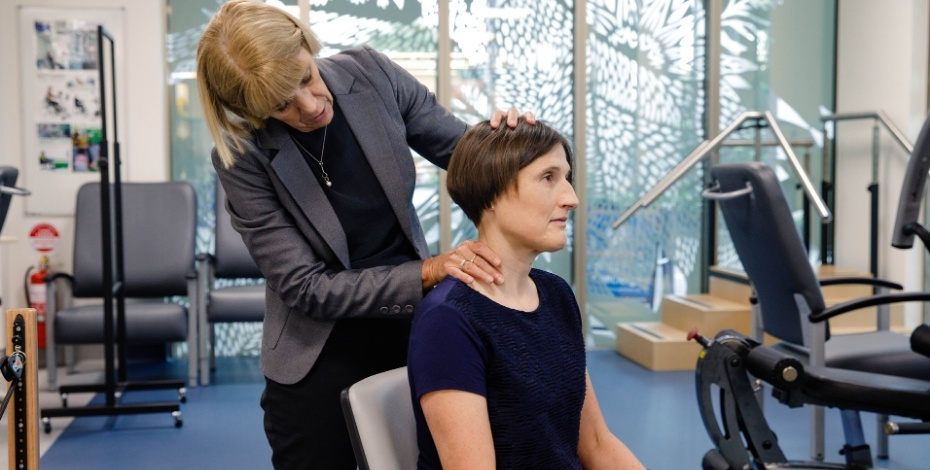
Professor Michele Sterling works with a patient.
INMOTION 01 Jul, 2026

Burning questions drive pain researcher

For more than two decades, Professor Michele Sterling has been at the forefront of pain research, reshaping how physiotherapists understand musculoskeletal injury, chronic pain and recovery after whiplash injury. Michele was recently named in The Australian’s top 250 researchers of 2026 and is the leading researcher in the area of pain and pain management. 

When Professor Michele Sterling FACP graduated as a physiotherapist in 1982, pain was viewed very differently from the way it is today.
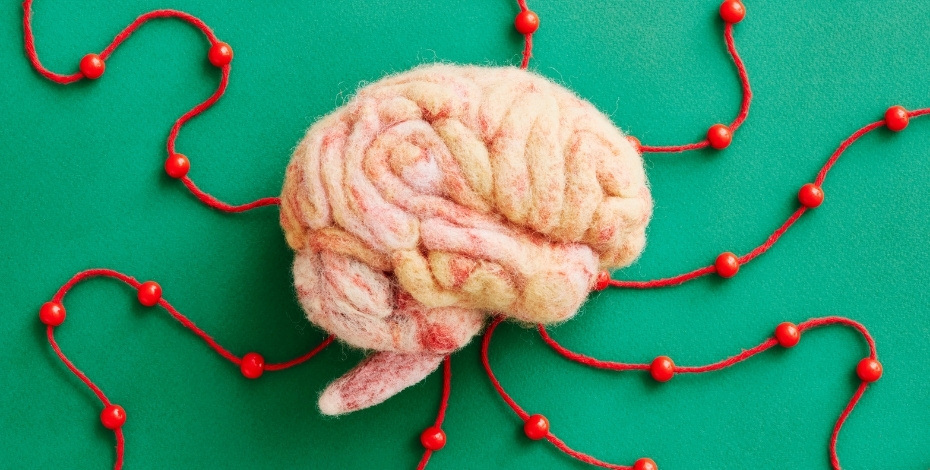
A graphic of the brain with connections
INMOTION 01 Jul, 2026

Five facts about physiotherapy and neuropathic pain

The International Association for the Study of Pain named 2026 as the Global Year for Neuropathic Pain. Zoë Harper, Karri Field and Cameron Dickson of the APA Pain national group present five discussion points about this condition.

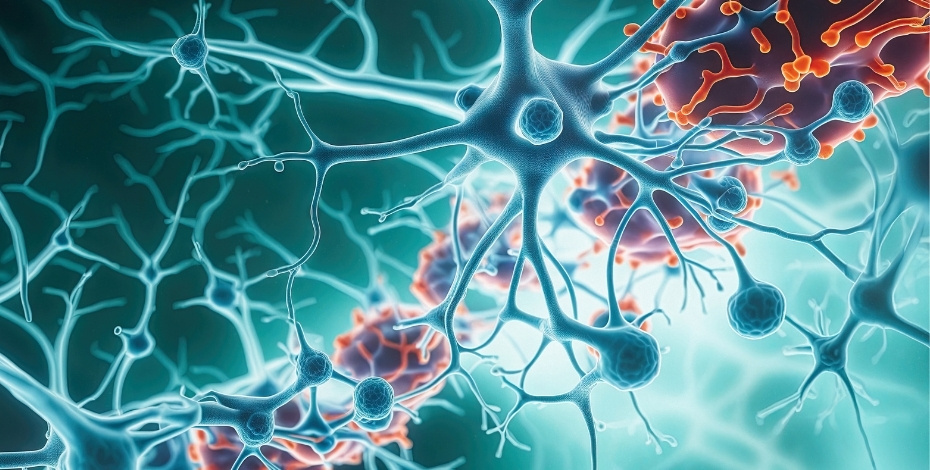
The image is a computer generated illustration of the cells in the immune system and the nervous system and their interactions.
INMOTION 29 Jun, 2026

Neuroimmune contributions to pain

PERSISTENT PAIN The combined role of the nervous system and the immune system as a contributor to persistent pain is slowly being worked out by researchers. Physiotherapy researcher Dr Scott Farrell talks about new avenues for investigation.

There is increasing recognition of the role of neuroimmune factors as contributors to persistent pain but the mechanisms behind this are still being teased out. 

An image of a researcher working on a paper to represent a grants opportunity.
INMOTION 26 Jun, 2026

Beyond the research bubble

Journal of Physiotherapy’s Editorial Fellowship gave Dr Tash Pocovi skills, confidence and a new lens on research. With expressions of interest now open, she explains why physiotherapists should apply.

Dr Tash Pocovi started her career in physiotherapy working in private hospital settings, treating a range of postoperative patients on the ward. 

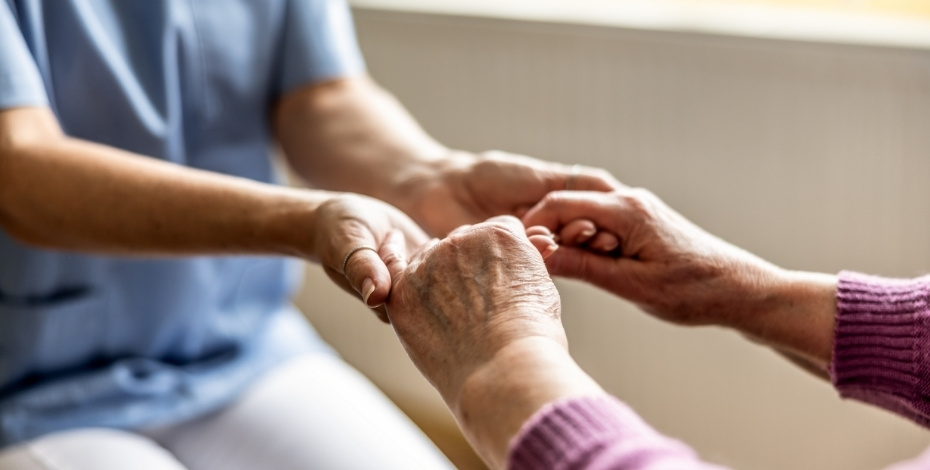
A health professional holding a patient's hands
INMOTION 26 Jun, 2026

Insights from people with Parkinson’s disease

Recent qualitative research has explored some of the barriers to accessing allied health interventions for people with Parkinson’s disease.

Across the globe, there is an increasing prevalence of Parkinson’s disease (PD), which has motor and non-motor symptoms such as bradykinesia, cognitive impairment and anxiety, seriously affecting quality of life. 

A woman clutching the small of her back in pain
INMOTION 24 Jun, 2026

Delivering effective interventions

The upcoming issue of the Journal spans prevention, rehabilitation, implementation and workforce reform. Scientific editor Mark Elkins provides a summary of the content.

The July issue of Journal of Physiotherapy highlights how contemporary physiotherapy increasingly depends not only on effective interventions, but also on understanding what patients value, how clinicians deliver care and how health systems support implementation. 

Three young children are sitting on the floor playing with building blocks.
INMOTION 01 Jun, 2026

No evidence for CME effectiveness alarms physios

RESEARCH FOCUS Cuevas Medek Exercises are an increasingly popular paediatric therapy for children with disability but a recent review has shown that little evidence exists to support their use.

The image is of a woman holding a tablet and interacting with a holographic display, which is in front of her.
INMOTION 01 Jun, 2026

Building digital capacity in physiotherapy

Associate Professor Mark Merolli considers what every physiotherapist needs to do to prepare for rapidly developing healthcare technology.

Physiotherapy is changing. 

Digital health is no longer something on the horizon; it’s now part of everyday practice. 

Electronic medical records, exercise apps, telehealth consultations, artificial intelligence and wearable devices, for example, are now common across many clinics, hospitals and community care. 

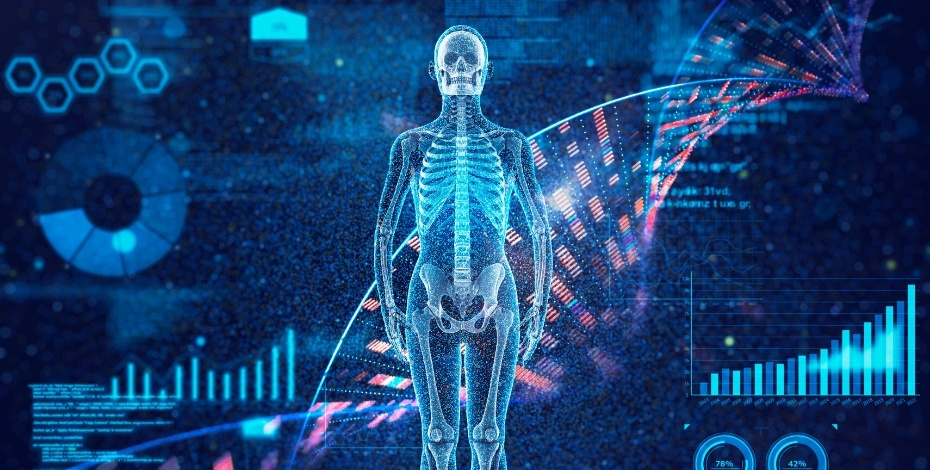
A computer-generated conceptual image of technology, featuring an image of a human body with the skeleton displayed x-ray-style, overlaid on computer test, and other technological symbols including graphs and pie charts.
INMOTION 01 Jun, 2026

Working out digital health technology's place in physiotherapy

As digital technologies continue to develop and their use becomes more widespread in healthcare, the ability of physiotherapists to adapt for the future is paramount. Here, based on their popular session at APASC25 in Adelaide last October, Mark Merolli, Leo Ng and Trevor Russell offer insights into the power and potential of digital health technology in clinical practice.

To read their articles, click on the links below: 

Man with injured shoulder
INMOTION 01 Jun, 2026

Five facts about physiotherapy and frozen shoulder

Ben Onofrio of the APA Musculoskeletal national group presents five discussion points about the diagnosis, treatment and management of frozen shoulder.


1. Differential diagnosis of FS must be deliberate and active 

External rotation loss is the clue; everything else is noise. 

Frozen shoulder (FS) is a label we think we are confident about until the stiff shoulder in front of you does not behave like one.