
Research

Physiotherapist capabilities for delivering telephone-based care
INMOTION 01 May, 2022

Physiotherapist capabilities for delivering telephone-based care


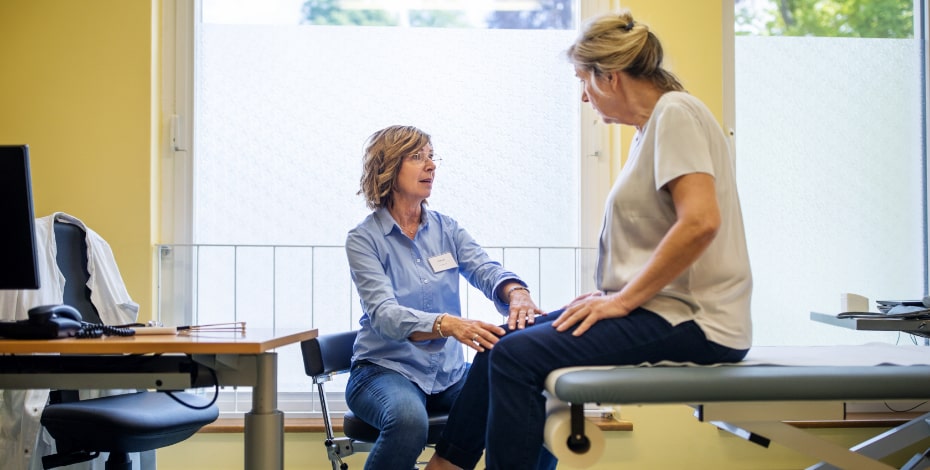
In 2021, Luke Davies and colleagues published a much-needed set of core competencies for physiotherapists managing patients via videoconferencing. Luke now answers questions about his subsequent study, which establishes core competencies for physiotherapists managing patients via telephone consultations.


Your previous paper establishing core competencies for physiotherapists making videoconferencing recommendations was very timely. How much uptake and interest in them was there?

Where to start with education and advice for people with low back pain?
INMOTION 01 May, 2022

Where to start with education and advice for people with low back pain?


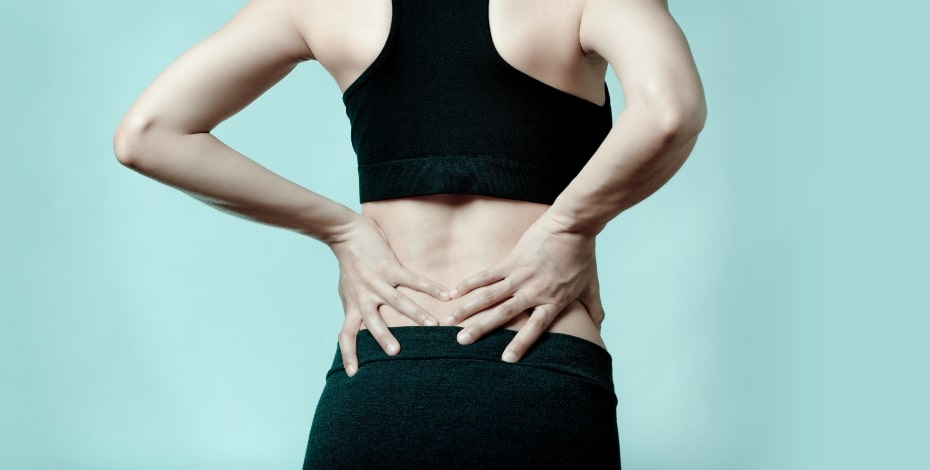
A new questionnaire could enable clinicians to tailor the education and advice they provide to align with patients’ attitudes, which, writes Edel O’Hagan, may lead to more efficient delivery of first-line care and potentially improve patient outcomes.


The first-line care consistently recommended for people with low back pain includes patient education and advice.

Advanced practice physiotherapy
INMOTION 19 Apr, 2022

Advanced practice physiotherapy


Wendy Milway APAM, Rowena Charteris APAM, Piers Truter APAM, Mark Cruickshank APAM and Caitlin Farmer APAM MACP present five discussion points about advanced practice physiotherapy and their pivotal role in healthcare settings across the country.

The importance of beach accessibility
INMOTION 05 Apr, 2022

The importance of beach accessibility


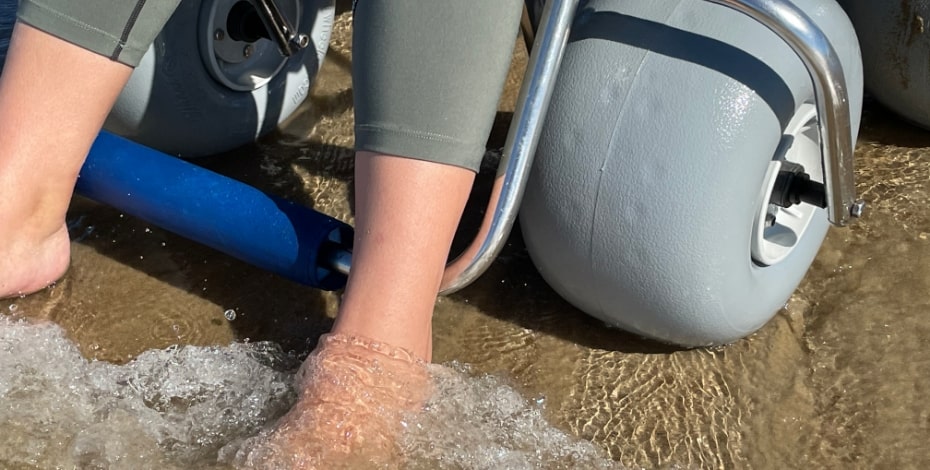
Most Australians take their access to the beach for granted, but a Physiotherapy Research Foundation-funded project by Queensland researcher Sasha Job aims to make beaches more accessible to Australians with disabilities. 


More than 85 per cent of Australians live within 50 kilometres of the beach but for many people with disabilities and mobility issues, it’s inaccessible.


The barriers are just too big.

Read about the research
INMOTION 04 Apr, 2022

Read about the research


The latest issue of the Journal of Physiotherapy has something for everyone, and as usual some of the authors answer questions about their research.


COST-EFFECTIVENESS OF PFMT FOR POSTPARTUM INCONTINENCE


This systematic review found that group-based pelvic floor muscle training (PFMT) during pregnancy is likely more efficient than individual postnatal PFMT for women with incontinence. Q&A with Robyn Brennen.

Building research capacity
INMOTION 01 Apr, 2022

Building research capacity


The University of Technology Sydney (UTS), in collaboration with Macquarie University and University of Sydney, recently developed a practice-based research network called CAPRI (Collaborative Australian Physiotherapy Research Initiative), writes Professor Arianne Verhagen.


Physiotherapy is the most popular primary healthcare choice in Australia and other developed countries, with reports of good patient satisfaction for people with acute and chronic conditions.

It’s all in the jaw
INMOTION 01 Apr, 2022

It’s all in the jaw


Guy Zito fills in the blanks when it comes to treating the jaw. Here he discusses his upcoming course ‘Temporomandibular disorders (TMD)—a physiotherapist’s perspective’.


Why create the course?


The role of physiotherapy in the management of dysfunction of the temporomandibular joint (TMJ) conditions is being acknowledged in other countries, particularly the USA, in this rapidly growing field of musculoskeletal physiotherapy.


In Australia we are not responding to this extended demand on our services.

INMOTION 01 Apr, 2022

Improving clinical practice with accurate adherence reporting measures


2020 PRF Seeding Grant recipient Vicky Duong talks about about her research project.


After graduating from the Doctor of Physiotherapy program at Macquarie University in 2015, Vicky Duong set her sights on pursuing her main area of interest—hands.


But an unexpected opportunity to work on a large randomised clinical trial on treatments for hand osteoarthritis (OA) exposed her to the world of research.

Multifaceted interventions to improve physical activity behaviour
INMOTION 01 Apr, 2022

Multifaceted interventions to improve physical activity behaviour


This systematic review explored the views of patients, close relatives and healthcare professionals on physical activity behaviour in hospital care. Q&A with Niek Koenders.


Your systematic review tackled a topic that has been addressed before: the Journal recently published a randomised trial demonstrating an intervention that is effective to improve physical activity levels in older inpatients. But the problem of loss of functional mobility during hospitalisations is not completely solved, is it?

Five facts about … osteoarthritis
INMOTION 01 Apr, 2022

Five facts about … osteoarthritis


Joanne Kemp, Christian Barton, Allison Ezzat, Danilo de Oliveira Silva, Joshua Heerey and Marcella Ferraz Pazzinatto present five discussion points about the role of physiotherapy in the diagnosis and management of osteoarthritis.


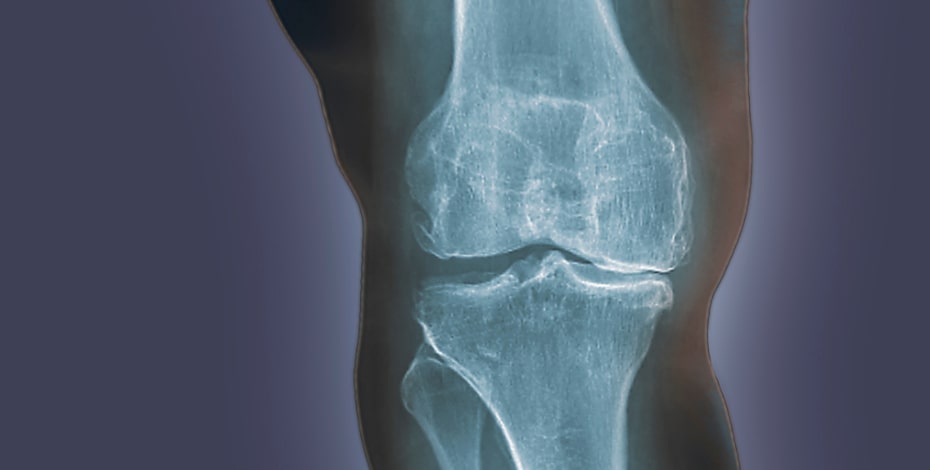
1. Imaging is not required to diagnose osteoarthritis


Guidelines endorse the use of clinical criteria for diagnosing osteoarthritis without the need for imaging (RACGP 2018).