
Research

Grants assist with physio research projects
INMOTION 01 Oct, 2021

Grants assist with physio research projects


Since 2012, the Pat Cosh Trust has issued funding to 21 research and project grants in Victoria, totalling approximately $400,000. A discussion with the three 2021 recipients about their work.


Building toolkits for telehealth


The ongoing COVID-19 pandemic has given telehealth a big boost, but some clinicians lack confidence in using it.


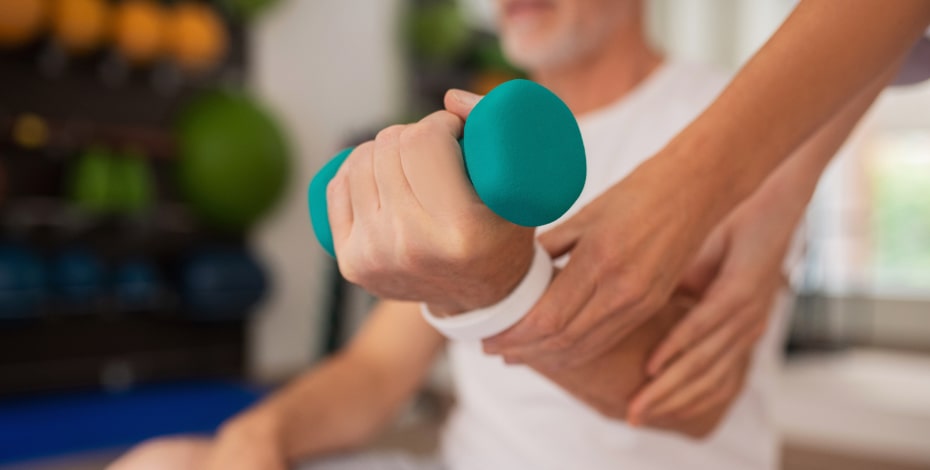
Associate Professor Christian Barton received a Pat Cosh Trust Grant this year to develop a toolkit for clinicians treating osteoarthritis.


Learning the ropes of academic publishing
INMOTION 01 Oct, 2021

Learning the ropes of academic publishing


A conversation with Jane Chalmers, a postdoctoral researcher into pelvic pain at the University of South Australia, about her experiences as the Journal of Physiotherapy’s inaugural editorial fellow.


Last year, postdoctoral researcher Dr Jane Chalmers, APAM, saw a call-out for applications for a new editorial fellowship at the Journal of Physiotherapy.

Physiotherapy and spinal cord injury
INMOTION 01 Oct, 2021

Physiotherapy and spinal cord injury


APA Neurology group members Brooke Wadsworth, Danielle Ferguson and Christine Rimmer present five facts about physiotherapy interventions for spinal cord injuries.


1. Airway clearance is essential for people with cervical or thoracic spinal cord injury


Respiratory complications remain the most common cause of mortality following spinal cord injury (SCI).


The ability to breathe deeply and cough forcefully is impaired to varying degrees depending on the level and completeness of the SCI.

Physiotherapy and cruciate ligament disease in dogs
INMOTION 01 Sep, 2021

Physiotherapy and cruciate ligament disease in dogs


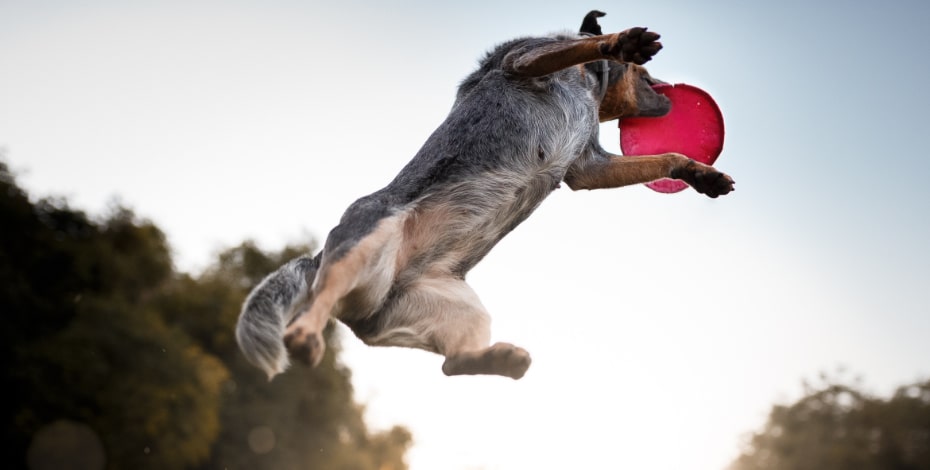
Katrinka Geelen, APAM, presents five discussion points about cranial cruciate ligament disease in dogs.


1. Dogs are susceptible to cruciate ligament injuries


Cranial cruciate ligament disease (CCLD) is the leading cause of hindlimb lameness in the dog (Powers et al 2005).


The cranial cruciate ligament (CCL) is the canine equivalent of the human anterior cruciate ligament.

Physiotherapy and bone health
INMOTION 02 Aug, 2021

Physiotherapy and bone health


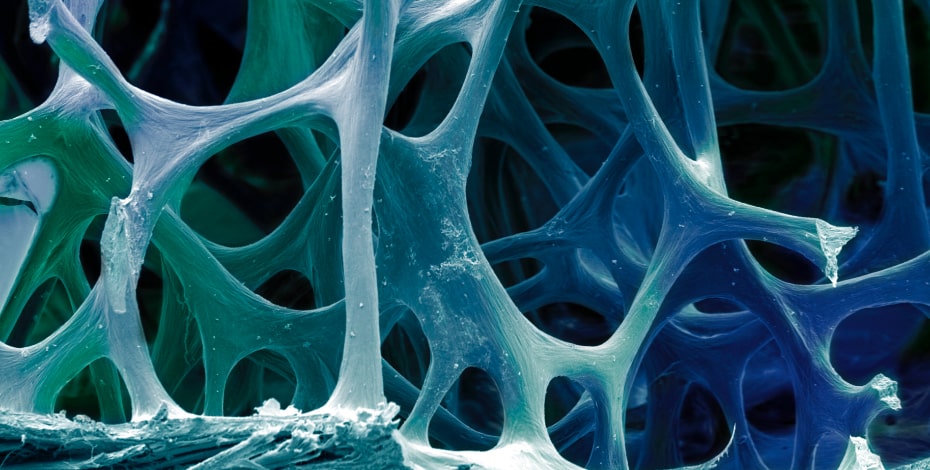
Five discussion points about exercise for bone health across the lifespan are explored by Brea Kunstler, Shae Martello, Christie Wall, Genevieve Dwyer and Rebecca Fagan.


1. Strong bones start in childhood


One in two women and one in four men will suffer an osteoporotic fracture after the age of 50 but while the problem manifests in adulthood, its origin is in childhood.


Behaviour patterns set in childhood are therefore critical to bone health in later life.

Australian College of Physiotherapists: a concise history
INMOTION 02 Aug, 2021

Australian College of Physiotherapists: a concise history


August 2021 marks the 50th anniversary of the Australian College of Physiotherapists. The position of the College today reflects our forebears’ vision for clinical and academic excellence in the physiotherapy profession. It also reflects the work of many physiotherapists over 50 years.

Physiotherapist and patient experiences with telehealth
INMOTION 02 Aug, 2021

Physiotherapist and patient experiences with telehealth


The use of videoconferencing for remote delivery of clinical physiotherapy took off during the pandemic restrictions last year. What were the views of physiotherapists and patients? Q&A with Kim Bennell.


Is there evidence that telehealth is an effective physiotherapy service delivery mode for any clinical conditions?

Transcranial direct current stimulation and walking training in Parkinson's disease
INMOTION 02 Aug, 2021

Transcranial direct current stimulation and walking training in Parkinson's disease


This systematic review aimed to estimate the effect of adding transcranial direct current stimulation (tDCS) to walking training in people with Parkinson’s disease. Q&A with Lucas Nascimento.


Why did you decide to undertake this review? Were there strong reasons to think that adding tDCS to walking training would be beneficial in Parkinson’s disease?

Physiotherapy management of Parkinson’s disease
INMOTION 02 Aug, 2021

Physiotherapy management of Parkinson’s disease


The latest issue of Journal of Physiotherapy is bursting with top-notch research. Here, Marco Pang talks about his Invited Topical Review.


We hear a lot about physiotherapists’ involvement with Parkinson’s disease. How many people have the disease?


Parkinson’s disease affects over 6 million people globally.


Because of the rapidly ageing population, the number of people affected by Parkinson’s disease is projected to double to over 12 million by 2040.

Value of the PRF in the spotlight
INMOTION 02 Aug, 2021

Value of the PRF in the spotlight


The impacts of Physiotherapy Research Foundation grants on recipients and the broader profession have been fully investigated in a new report. PRF Committee Chair Mark Round discusses the key findings.


The pool of funds from which early career researchers can drink is a shallow one.


And with fierce competition at the trough, getting research projects off the ground can be challenging at best.