Research

The benefits of routine screening for developmental dysplasia of the hip
INMOTION 01 Dec, 2021

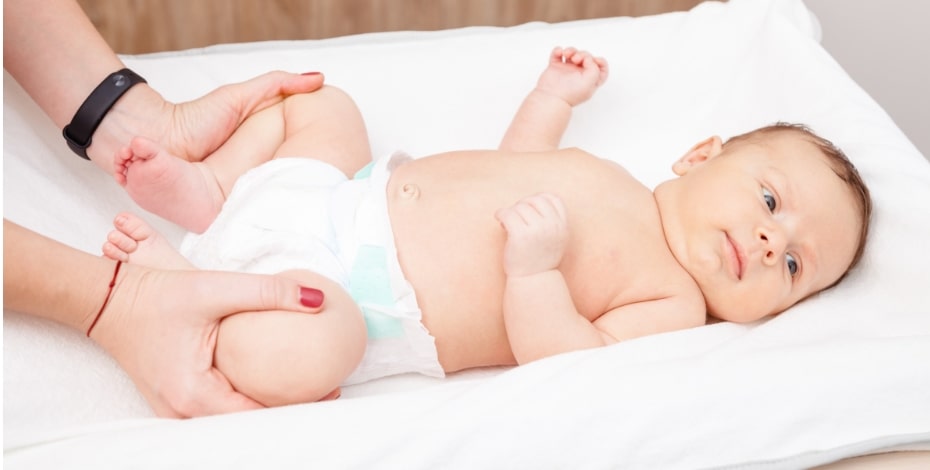
The benefits of routine screening for developmental dysplasia of the hip


Dr Sue Charlton’s PhD research has been underpinned by decades of work with children in regional and rural South Australia. Here she outlines the need for a routine screening ultrasound to identify infants at risk of developmental dysplasia of the hip.


Continuously working in a solo paediatric practice in one regional centre in South Australia over the past forty-nine years has led to a strong interest in the retention of allied health workers in rural and regional areas.


Breanne Kunstler—Positively changing behaviour
INMOTION 01 Dec, 2021

Breanne Kunstler—Positively changing behaviour

Click here to access the podcast. 


Water-based training for coronary heart disease
INMOTION 01 Dec, 2021

Water-based training for coronary heart disease


A randomised trial compared water-based circuit training to other forms of exercise for people with stable coronary heart disease. Q&A with Anna Scheer.


Your trial compared various formats for delivery of exercise therapy to people with stable coronary heart disease. At what stage after a coronary event were participants enrolled in the study?

Down syndrome and physiotherapy
INMOTION 01 Dec, 2021

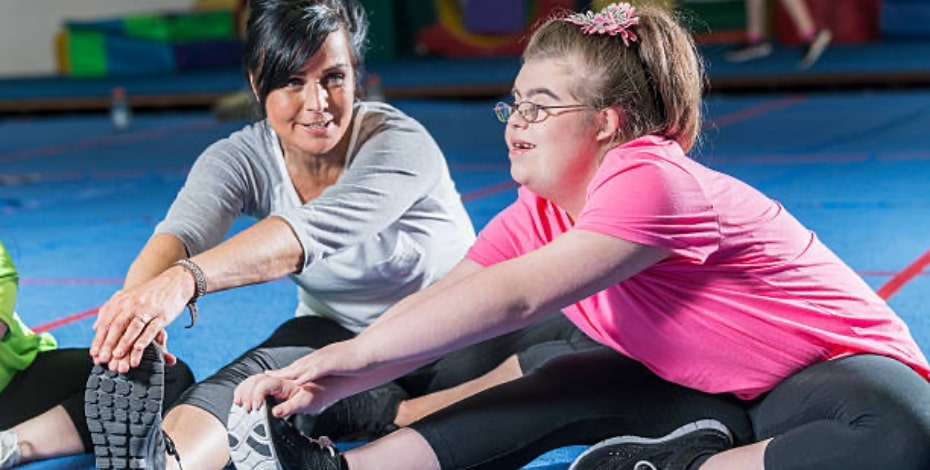
Down syndrome and physiotherapy


The effects of physiotherapy for people with Down syndrome were considered in an Invited Topical Review. Q&A with Nora Shields.


What is Down syndrome and how does it impact those who have it?


Down syndrome is a genetic condition.


Most people have 46 chromosomes in each of their cells; people with Down syndrome have 47.


They have an extra chromosome 21, which is why Down syndrome is also known as trisomy 21.

Julie Hides—Backs in space!
INMOTION 01 Nov, 2021

Julie Hides—Backs in space!

Click here to access the podcast. 


The who, how and why of a PhD
INMOTION 01 Nov, 2021

The who, how and why of a PhD


Physiotherapy is an evidence-based profession, but to have a healthy evidence base, there needs to be a robust population of researchers, from PhD students through to lead investigators on a range of research projects. A look at why physiotherapy research is a viable career pathway, who is doing physiotherapy PhDs and how they got there.


Research is the backbone of physiotherapy; clinicians rely on evidence showing which treatment approaches work.

Cost-effectiveness of exercise training for chronic obstructive pulmonary disease
INMOTION 01 Nov, 2021

Cost-effectiveness of exercise training for chronic obstructive pulmonary disease


Increasing physical activity is likely to be cost-effective in treating people with chronic obstructive pulmonary disease. Q&A with Glenn Leemans.


Your systematic review examined the cost-effectiveness of respiratory physiotherapy interventions for people with chronic obstructive pulmonary disease (COPD). Why did you decide to tackle this topic?

Advice and non-specific spinal pain
INMOTION 01 Nov, 2021

Advice and non-specific spinal pain


This systematic review looks at the effect of advice and education on pain and disability in people with non-specific spinal pain. Q&A with Caitlin Jones.


International guidelines for the management of spinal pain already endorse advice as part of first-line treatment, so what were the uncertainties that led you to do this literature review?


Despite advice being recommended internationally as a treatment for spinal pain, the evidence behind that was uncertain and out of date.

Videoconferencing: a framework for physiotherapists
INMOTION 01 Nov, 2021

Videoconferencing: a framework for physiotherapists


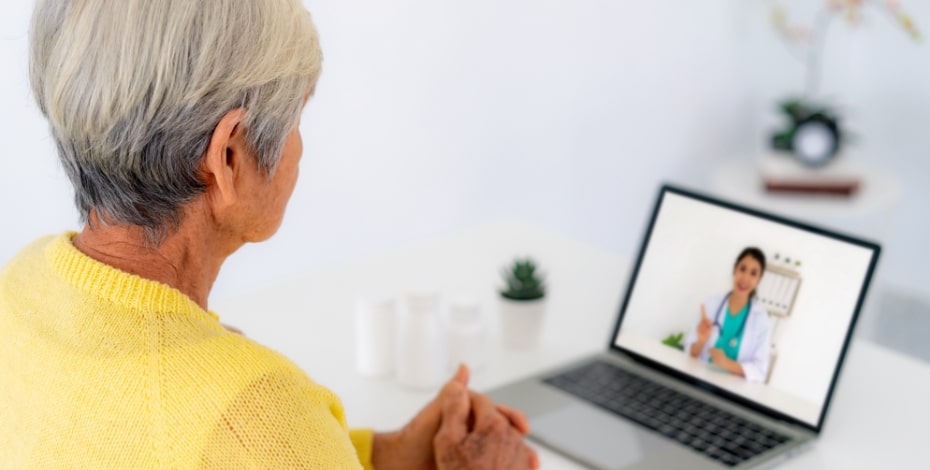
A Delphi study was used to create an international core capability framework for physiotherapy via videoconferencing. Q&A with Luke Davies.


Many physiotherapists have moved to providing patient care via videoconferencing, partly in response to the pandemic but also as part of an overall trend towards healthcare embracing telehealth. Is this well accepted by patients and how do the clinical outcomes compare?


Growing evidence suggests that patients are accepting of telehealth.

Scaling the wall
INMOTION 01 Nov, 2021

Scaling the wall


David McNeill reflects on the ‘brick wall’ between evidence-based practice and clinical reasoning.


How many of you can remember the last research article you read from start to finish?


No doubt, there are many—we are, after all, an evidence-based practice.


Far more will remember the last tweet they read or the last infographic they saw on Instagram.


There is a place for both.