Research

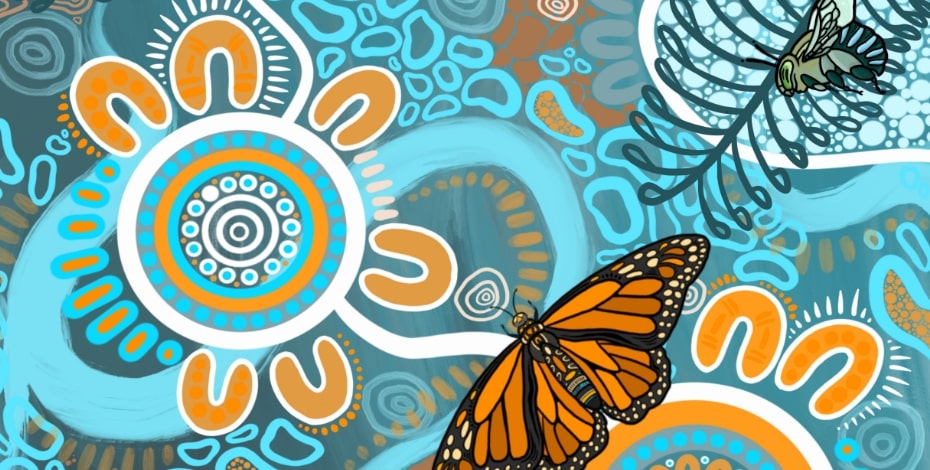
The image is an Aboriginal artwork featuring concentric circles of dots and solids in blue, white and mustard. U-shapes surround the circles and the background is filled with swirls, dots and small concentric circles. Orange butterflies, green flies and ferns overlay the image.
INMOTION 01 Mar, 2024

Co-design for Aboriginal and Torres Strait Islander healthcare and research

There is a growing tendency to use co-design to develop programs and projects for healthcare issues that affect Aboriginal and Torres Strait Islander people and communities. Aboriginal and Torres Strait Islander and other researchers talk about why co-design is important and how to get the most out of it.

Co-design is a partnership approach that involves shared decision-making between people with lived experience and stakeholders with professional expertise.
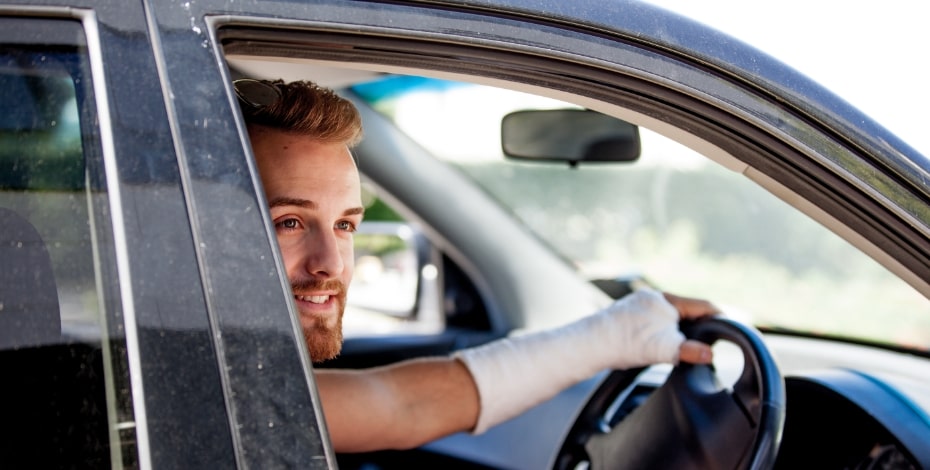
The image shows a young man in the driving seat of a car, through the driver's side window. The man is holding the steering wheel with his left hand, which has a plaster cast on it.
INMOTION 01 Mar, 2024

Complex wrist fractures increase car accident risk

A team of researchers in Western Australia has linked demographic, clinical and car crash information to look at whether drivers were more likely to have a car accident following wrist fracture. Lead researcher Susie Stinton talks about the results of a Physiotherapy Research Foundation Seeding Grant study.

Wrist fractures are common injuries and are associated with temporary high disability during the early stages of recovery.

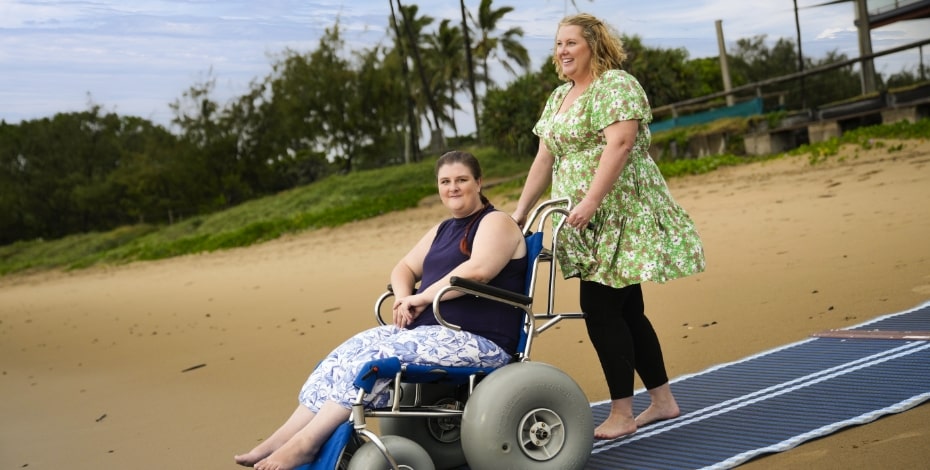
a blonde woman in a green dress and black leggings is pushing another woman in a wheelchair fitted with sand wheelsdown to the beach along a mat.
INMOTION 01 Mar, 2024

Manual handling on the beach

Sasha Job won the Physiotherapy Research Foundation Physio Pitchfest 2023 People’s Choice Award at the APA conference last October for her proposed beach accessibility manual handling training course.

Bundaberg physiotherapist and Central Queensland University PhD student Sasha Job APAM is making a name for herself as a champion for safe beach access for older people and for people with disabilities and mobility issues.

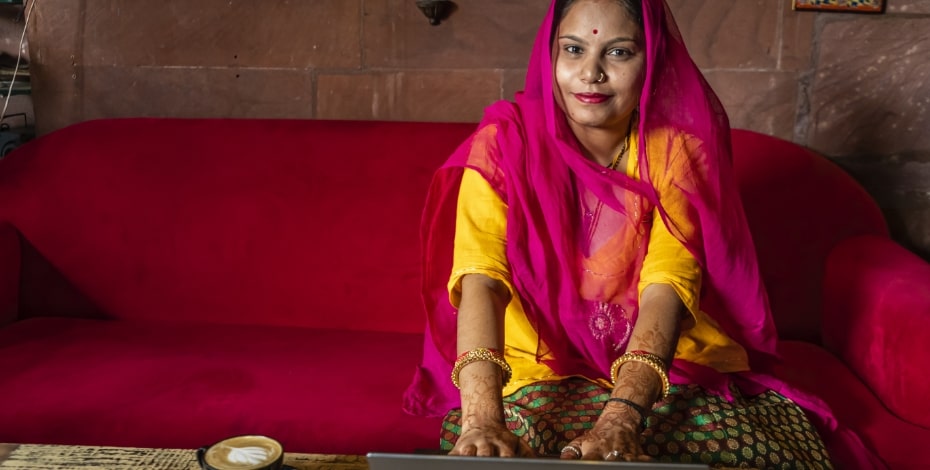
An Indian woman dressed in traditional attire stares intently at the camera.
INMOTION 01 Mar, 2024

Supporting research from low-income and middle-income countries

Editorial lead author Dr Saurab Sharma answers a few questions on the benefits of research from low-income and middle-income countries.

Why do we need clinical research to be conducted in low- and middle-income countries?

Approximately 85 per cent of the world’s population lives in low- and middle-income countries (LMIC). 

The sociocultural profiles of people living in these countries are different compared to high-income countries such as Australia. 

person sitting with a laptop wearing colourful clothing
INMOTION 01 Mar, 2024

Supporting research from low-income and middle-income countries

JOURNAL OF PHYSIOTHERAPY Editorial lead author Dr Saurab Sharma answers a few questions on the benefits of research from low-income and middle-income countries. This is followed by Q&As with the lead authors of two other papers from the January issue.

Why do we need clinical research to be conducted in low- and middle- income countries?

Approximately 85 per cent of the world’s population lives in low- and middle-income countries (LMIC). 

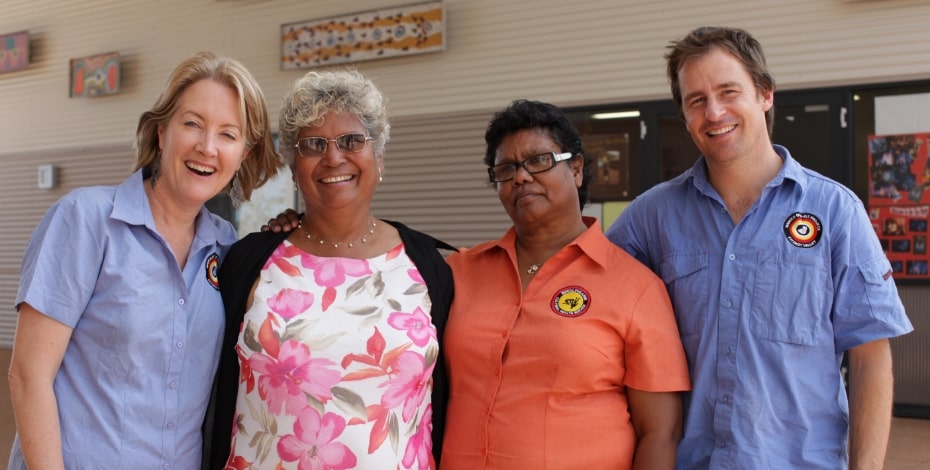
Jane Latimer (left) working in Fitzroy Crossing with Aboriginal elders Marmingee Hand and Maureen Carter.
INMOTION 01 Mar, 2024

Sisterhood with the travelling plans

Jane Latimer AO has been recognised internationally for her research into low back pain and Aboriginal and Torres Strait Islander health and for her powerful leadership and advocacy for women.

As we mark International Women’s Day and National Close the Gap Day this month, Jane speaks about her career and achievements and her strong familial ties.

A woman is stretched out on a blue exercise ball.
INMOTION 01 Mar, 2024

GLA:D Back program launches in Australia

The GLA:D Back program has joined the popular hip and knee GLA:D programs in Australia, providing a treatment option for people with chronic low back pain.

The GLA:D (short for Good Life with osteoArthritis: Denmark) programs for knee and hip osteoarthritis are popular offerings in Australian physiotherapy clinics.

Now a new GLA:D program focused on helping people with persistent and chronic low back pain has been launched in Australia by a research team based at Macquarie University.

A woman stands against a white wall with the reflection of the sun across her face, symbolising a release from pain.
INMOTION 01 Feb, 2024

Psychological interventions may help improve pain and more in patients with hypermobility spectrum disorders

A recent systematic review by British researchers published in Rheumatology International suggests that psychological interventions delivered alongside physiotherapy in patients with hypermobility spectrum disorders (HSD) including Ehlers-Danlos syndrome (EDS) can improve both physical and psychological aspects of pain and subsequently quality of life.

A child holds his head as if in pain from a prior concussion.
INMOTION 01 Feb, 2024

Fatigue improves over first three months following paediatric concussion

Fatigue is one of the most commonly reported persisting symptoms following paediatric concussion and it is also one of the most under-researched.

A woman is using an electronic device with some creative swirly graphics all around her.
INMOTION 01 Feb, 2024

Chatbot technology has potential to transform brain injury rehabilitation

Typically, rehabilitation for adults with traumatic brain injuries includes setting patient-centred goals and motivational support.

However, access to face-to-face rehabilitation can be limited and patients can lose sight of their goals in between clinical appointments, slowing down their rehab and recovery.

To help overcome this, researchers at Flinders University have developed a chatbot called RehabChat to help patients stay motivated and and maintain momentum between clinical appointments.