
Dementia, cognitive impairment and exercise


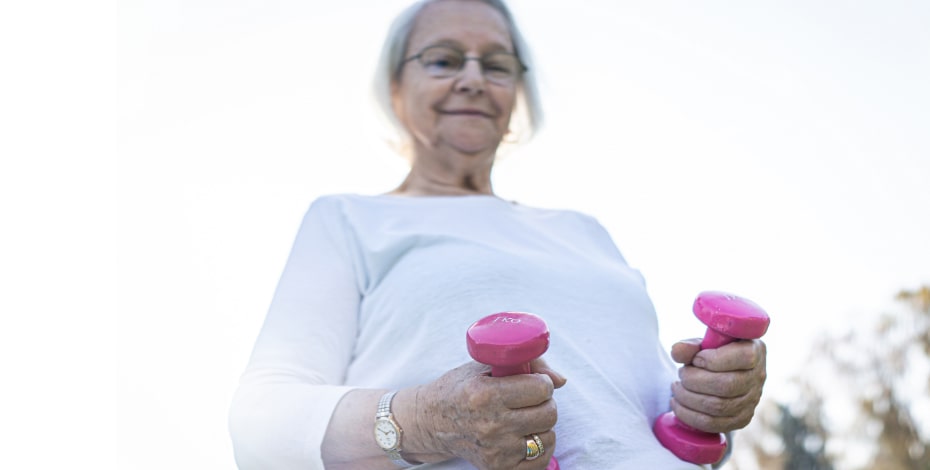
Currently within Australia, there are approximately 459,000 people living with dementia. Dementia affects the brains ability to perform everyday tasks. Exercise is essential for maintaining good blood flow to the brain, and may encourage new brain cell growth and survival.


The golden ticket - exercise and stroke


Stroke is one of Australia’s biggest killers and a leading cause of disability, but more than 80% of strokes can be prevented.

In this episode, National Chair of the Neurology Group Dr Natalie Fini, Lecturer in neurological physiotherapy at the University of Melbourne, and Dr Elizabeth Lynch, Research Fellow at the University of Adelaide, chat about the vital role of physical activity in stroke rehabilitation.


Back pain, imaging and overdiagnosis


Millions of dollars in Australia is spent on back pain imaging per year, but there are many common misconceptions with spinal imagery that often lead to overdiagnosis.

In this episode, Associate Professor Tasha Stanton talks with Dr Adrian Traegar and Dr Emma Karran about why overdiagnosis is a huge problem and how it impacts our health systems.


Physical activity and Parkinson's disease


Parkinson's disease is the second most common neurological disease in Australia after dementia. It currently affects approximately 100, 000 Australians.


The importance of exercise for cancer treatment


Lung cancer is the leading cause of cancer and is responsible for almost one in five cancer deaths in Australia. Exploring treatments in which to fight this disease is now more important than ever.


Pain science revolution


Did you know that how you think about your pain can change the way it feels? And, the amount of pain you experience doesn’t accurately measure tissue health or necessarily equate to ‘damage’. Pain however is a mechanism produced by our bodies for protection.


Sports participation for children with disability


Australian children and young people do not move enough each day, and this is particularly true for children with disability. There is no denying that something must be done soon to increase kids’ physical activity levels and sports participation. But how do we make the shift that’s needed to get children—particularly those with disability—to stand up and start moving?