Research

Mark Hancock—Catching the research bug
INMOTION 31 Mar, 2022

Mark Hancock—Catching the research bug

Click here to access the podcast. 


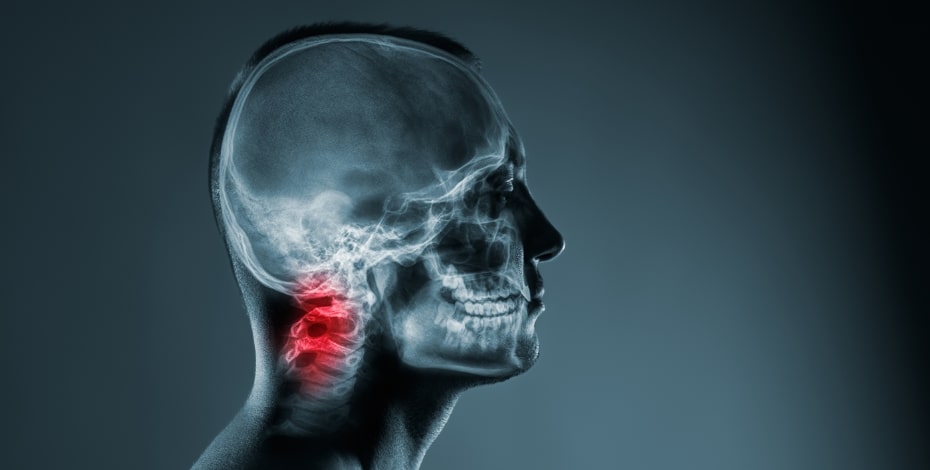
Cervical myelopathy on a background of chronic stroke
INMOTION 31 Mar, 2022

Cervical myelopathy on a background of chronic stroke


Elizabeth Moore presents a case study that demonstrates the need for longitudinal rigorous neurological surveillance in stroke populations to ensure rapid treatment of new diagnoses when coexisting with chronic neurological impairments.


Cervical myelopathy is spinal cord dysfunction due to compression caused by narrowing of the spinal canal (McCartney et al 2018).


The pathophysiology of cervical cord compression (myelopathy) involves static and dynamic factors.

The value of rare research
INMOTION 31 Mar, 2022

The value of rare research


The April issue of Journal of Physiotherapy features examples of the kind of research that you don’t see very frequently, all the more precious because of its rarity. 


Physiotherapist supervision increases the benefits of exercise in chronic Guillain-Barré syndrome


Guillain-Barré syndrome is a rare (around 1 in 100,000) polyneuropathy causing limb weakness, areflexia, autonomic dysfunction and respiratory paralysis.


Severe residual disability occurs in about 10 to 20 per cent of patients.

Unveiling new ideas
INMOTION 07 Mar, 2022

Unveiling new ideas


Originally scheduled to be held during the THRIVE conference, PitchFest 2022 has moved online and will be held on Wednesday 6 April as a free event.


Six finalists will present their physiotherapy products and ideas at PitchFest 2022.

Hip pain progression in younger adults
INMOTION 01 Mar, 2022

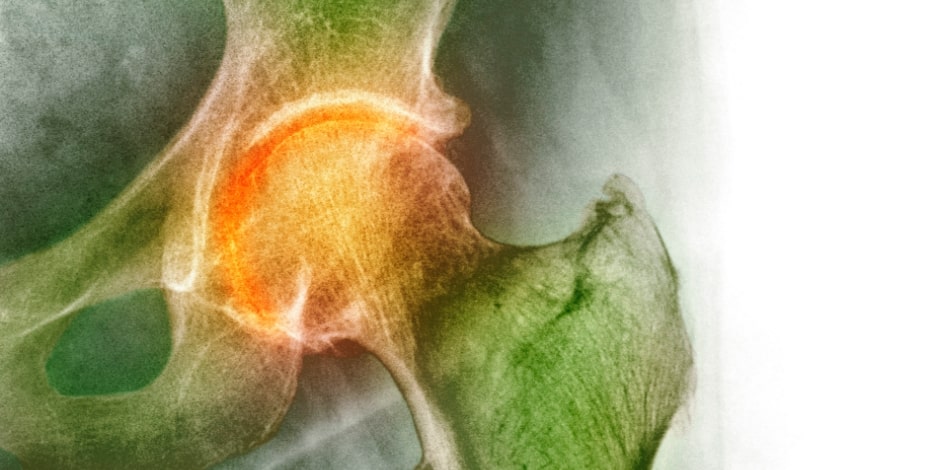
Hip pain progression in younger adults


Zuzana Perraton is one of 2021’s PRF Seeding Grant recipients, for a five-year follow-up study of younger people with or at risk of developing hip osteoarthritis. A conversation about the project. 


Most of us think of older people, in their 50s or above, when we think of hip pain and osteoarthritis (OA).

Bernadette Brady—Better health for all
INMOTION 01 Mar, 2022

Bernadette Brady—Better health for all

Click here to view the podcast. 


Private practice clinical placements
INMOTION 01 Mar, 2022

Private practice clinical placements


A national mixed-methods study found that clinical placements for physiotherapy students in private practice are perceived to be beneficial and safe. Q&A with Casey Peiris.


How large was your survey and what was the response rate?


We invited clinical education managers from all 21 universities in Australia that had graduating entry-level physiotherapy students in 2017 to participate.

Dual-task interference during walking after stroke
INMOTION 01 Mar, 2022

Dual-task interference during walking after stroke


A systematic review investigated the effects of stroke on dual-task interference while walking. Q&A with Marco Pang.


Walking is often a difficult task for people who have had a stroke and their walking performance can be affected by doing another task at the same time. There has been a lot of research on this topic. How much evidence was able to be included in the review?


A total of 76 studies involving 2425 people after stroke and 492 people without stroke were included in the review.

COVID-19 hospital recommendations update
INMOTION 01 Mar, 2022

COVID-19 hospital recommendations update


In early 2020, Peter Thomas and colleagues published a much-needed set of recommendations for physiotherapists managing adults with COVID-19 in the hospital system. Much has been learned in the meantime, so an update on their original recommendations has now been provided. Q&A with Peter Thomas.


The initial recommendations were very timely. How much uptake and interest in them was there?


The interest in the initial paper was overwhelming.

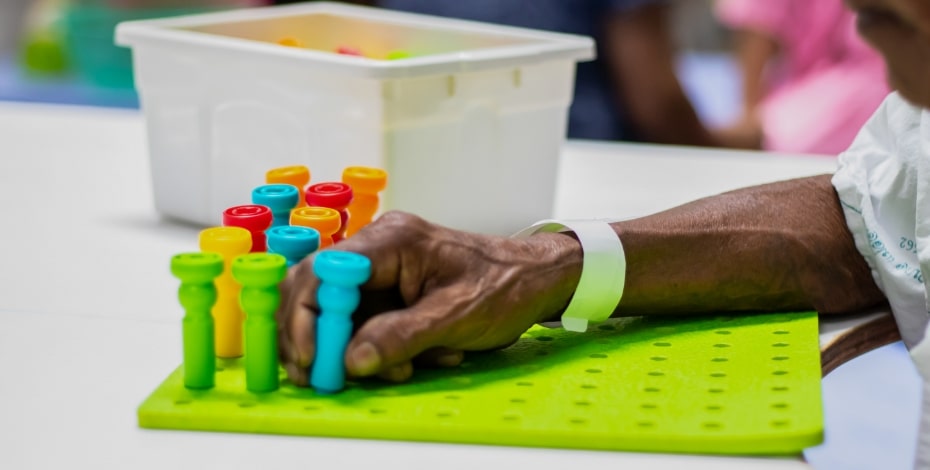
Stronger upper limbs after stroke with CIMT
INMOTION 01 Mar, 2022

Stronger upper limbs after stroke with CIMT


Ashan Weerakkody’s new course explores the significant benefits of constraint-induced movement therapy for upper limb rehabilitation in stroke patients.


Tell us a bit about the course. Who would benefit most from attending ‘Upper limb constraint-induced movement therapy (CIMT)’?


There is strong evidence supporting the use of constraint-induced movement therapy (CIMT) to improve upper limb function after stroke, suggesting that we as clinicians should be providing it to our patients.