
Exercise and physical activity

Two men are talking as they walk down a path.
INMOTION 30 Oct, 2026

Low back pain prevention

RECRUITMENT The Walk-IT trial is calling for physiotherapists to explore implementation strategies for the WalkBack program, helping to make prevention part of routine care for recurrent low back pain.

Low back pain is one of the most common conditions seen by physiotherapists. 

While many patients recover from an acute episode, recurrence remains a significant challenge; around 70 per cent of people experience another episode within the following year. 

The illustration depicts a woman running on a ribbon.
INMOTION 01 Oct, 2026

Exercise as medicine: from cancer diagnosis to recovery

For cancer patients, adding exercise into their lives at a time when they are dealing with a cancer diagnosis and the whirlwind of surgery, treatments and management that follows might seem one step too far. The evidence, however, is mounting in favour of exercise as a critical component of cancer therapy.

Related articles:

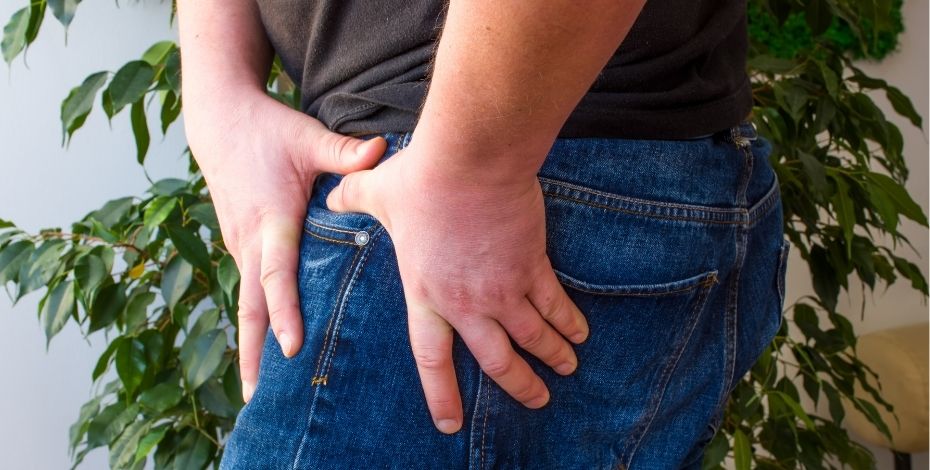
A man in jeans is holding the front of his hip/thigh.
INMOTION 29 Sep, 2026

Strengthening versus stretching for FAI syndrome

HIP PAIN Exercise can improve quality of life for people with the common hip condition femoroacetabular impingement syndrome, according to a newly published study.

A recent clinical trial led by Professor Joanne Kemp FACP (left) at La Trobe University has examined the outcomes of two different exercise-based, physiotherapist-led interventions for femoroacetabular impingement (FAI) syndrome. 

Abstract graphic of a graph and arrows pointing upwards
INMOTION 23 Sep, 2026

A profession growing in influence

Physiotherapy in Australia is growing rapidly, both in numbers and in the breadth of what our profession contributes to Australians’ health. 

As of March 2026, Australia has more than 50,000 registered physiotherapists, while the APA represents close to 37,000. 

We are approaching the size of the psychology profession and are on track to become Australia’s third-largest regulated health profession. 

To borrow a line from Uncle Ben in Spider-Man, ‘With great power comes great responsibility.’ 

An outline of a girl next to blue and orange light
INMOTION 01 Sep, 2026

Designing the behaviour, not just the exercise

Recent APA discussions have highlighted the important role of behaviour change, empathy and personalised communication in exercise prescription. Pete Haynes builds on that foundation by focusing on the next practical step: how physiotherapists can help patients turn advice into action.

Physiotherapists prescribe behaviours every day: exercise, walking, pacing, symptom monitoring, sleep routines and gradual return to valued activities. 

These recommendations may be clinically sound but they still have to survive real life.