

A step in the right direction
Cancer rehabilitation is about much more than restoring movement after surgery. Physiotherapist Subhash Narangoda uses exercise, pain management and lifestyle strategies to help people regain confidence, physical capacity and quality of life.
A cancer diagnosis and its treatment can leave a lasting physical and functional legacy.
Subhash Narangoda APAM (left), director of Beyond Physio Co, practises at Ramlegh Springs Medical Centre in Clyde North, in Melbourne’s south-east, and also provides physiotherapy services within the Villa Maria Catholic Homes Rehabilitation Centre in Wantirna South.
His patients come to him through Medicare chronic condition management arrangements, the Commonwealth Home Support Program and other funding pathways – and across all of them, he says, exercise is integral to treatment at every stage of the cancer journey.
The patient pathway provides an important avenue for people experiencing persistent pain and functional limitations following cancer treatment or surgery to access physiotherapy.
Subhash delivers his treatment one on one and says he is guided by the patient’s presentation, priorities and goals.
‘Mainly it’s clinical reasoning, establishing what they want,’ Subhash says.
One patient might want to improve posture and range of motion following surgery, while another may need to rebuild strength, balance and general physical capacity after a prolonged period of illness and reduced activity.
Exercise, he says, is introduced progressively, with strengthening, balance and aerobic conditioning incorporated according to the individual’s tolerance and clinical needs.
Subhash says that pain is frequently one of the greatest barriers to rehabilitation – not because of the pain itself but because of what patients believe it means.
Fatigue, fear that exercise may worsen the cancer or cause injury, low confidence with activity, and anxiety, depression or psychological distress commonly compound the picture.
Patients can interpret pain during movement as a sign that they are doing themselves harm, particularly after major surgery or a prolonged course of treatment.
He says he often starts with achievable interventions for patients that can help settle symptoms and establish a sense of safety before moving on to more challenging physical activity.
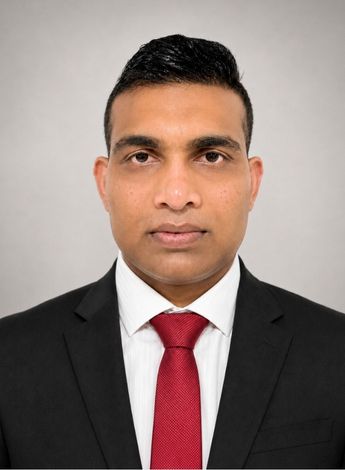
Physiotherapist Subhash Narangoda says it's important to focus on what the patient needs first.
‘Build up the confidence, then we can easily introduce the difficult part of strengthening, balance, range of motion, aerobic or whatever is required.
‘Any exercise we can introduce is very valuable.’
Deconditioning can become another significant obstacle during and after cancer treatment.
Reduced physical activity may lead to a loss of muscle strength and endurance, impaired balance and reduced functional capacity, which can, in turn, make patients increasingly cautious about movement, Subhash says.
A graded exercise program helps break that cycle, allowing patients to progressively rebuild physical capacity while developing confidence in their ability to move.
The psychological impact of cancer, he says, is equally important to recognise.
Subhash estimates that between 70 and 80 per cent of the patients he sees who have experienced cancer are emotionally affected by their condition and he believes physiotherapists need to understand how fear, anxiety, social isolation and loss of hope can influence rehabilitation.
His approach is to establish small, achievable goals and gradually build from them, while encouraging appropriate social connection and activities such as low-intensity yoga where suitable.
‘Whatever their simple goal is, we try to achieve it and after that, we can hit the clinician’s goal.’
A seemingly modest achievement can be significant for someone who has become fearful of movement or has lost confidence in their physical capabilities, he says.
Completing a functional task, increasing walking tolerance or beginning a strengthening program can provide a tangible sense of progress.
Clinical reasoning has an important role beyond immediate rehabilitation goals, says Subhash.
Awareness of red flags and changes in symptoms is particularly important in this population and physiotherapists are well placed to identify that a patient’s presentation does not fit the expected musculoskeletal picture.
One patient recently reported to Subhash with severe back pain.
His assessment raised concerns that the symptoms were not simply mechanical, so he referred the patient back to their GP for further investigation.
A CAT scan subsequently identified kidney cancer that had spread.
This experience highlighted the responsibility that physiotherapists have when working with patients who have current or previous cancer.
New or changing symptoms cannot automatically be attributed to deconditioning, postoperative pain or musculoskeletal dysfunction.
Careful assessment, clinical reasoning and appropriate communication with the patient’s medical team remain essential components of safe rehabilitation.
Cancer rehabilitation can require a broader multidisciplinary approach, Subhash says.
He advocates referral to other health professionals – including occupational therapists, psychologists and speech pathologists – when a patient’s needs extend beyond physiotherapy.
Patients who have had treatment for thyroid, head or neck cancers, for example, may require speech pathology input, while psychological support can be particularly valuable when emotional distress is affecting recovery.
Subhash’s interest in lifestyle medicine has also shaped the way he approaches rehabilitation.
Physical activity sits alongside strategies for stress management, social connection and other lifestyle factors, with the aim of helping patients incorporate movement into their everyday lives rather than viewing exercise as something confined to the physiotherapy clinic.
The role of the physiotherapist, he believes, goes beyond prescribing exercises.
‘Some people don’t have hope.
‘We give them hope and some goals, then slowly build up confidence.’
That confidence can be as important a rehabilitation outcome as an increase in strength or range of motion, Subhash says.
A few more degrees of shoulder motion, improved balance, greater walking tolerance or the ability to return to a valued activity can represent meaningful steps towards independence and participation.
Read more about the importance of exercise in cancer rehabilitation.
© Copyright 2026 by Australian Physiotherapy Association. All rights reserved.