Research translation
Research is so valuable to our profession, strong scientific evidence based research enables physiotherapists to adopt the latest, safest and most effective techniques when providing care and treatment to patients. This is why the PRF is funding what we call ‘research translation’. We are highly invested in discovering innovative ways to reproduce research findings and deliver content in a more digestible manner.
ALL
VIDEOS
BLOG
PODCAST
INFOGRAPHICS
Words matter: unravelling the impact of labels on pain perception
Patient centred care: promoting inclusive physiotherapy
Levelling the playing field: advancing disability inclusion in sports
Empathy in action: crafting behaviour change in physiotherapy
Mind matters: the role of psychology in physiotherapeutic practice
ACL uncovered: navigating choices in injury management
5 facts about aquatic physiotherapy
Five facts about physiotherapy and education
Low Back Pain Clinical Care Standard
Five facts about workplace health and safety
Physiotherapy management of rib fractures
Women’s sport science research showcased at WISC
WalkBack trial for low back pain
Falls prevention in Australian Residential Aged Care
Mobilisation with movement after distal radius fracture
Cost-effectiveness preoperative physiotherapy
Advanced Telerehabilitation for stable COPD
Enhanced neuroplasticity following stroke
Five facts about physiotherapy and whiplash
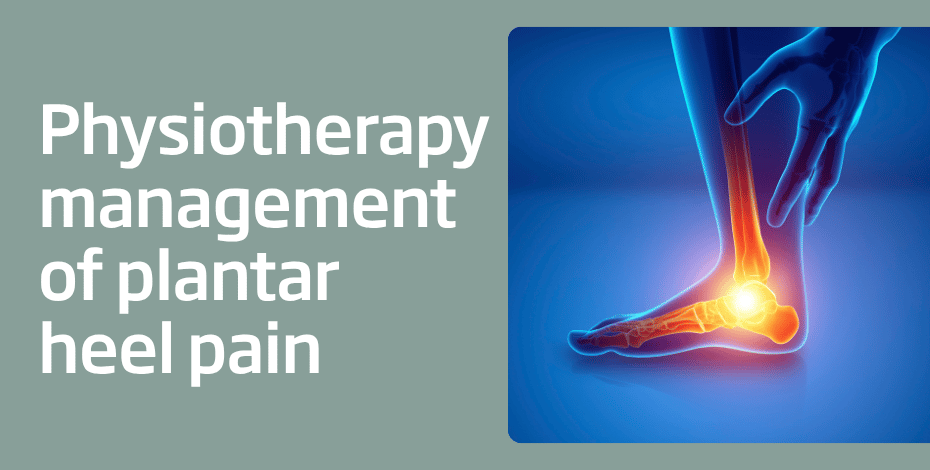
Physiotherapy management of plantar heel pain
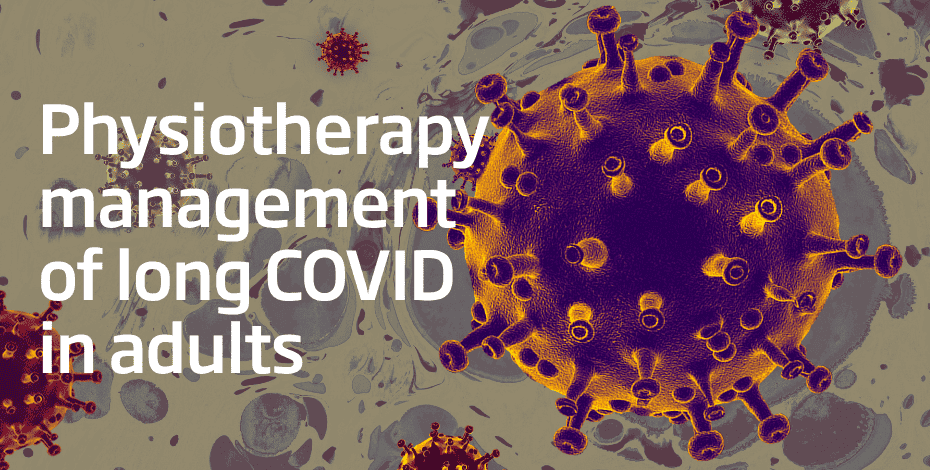
Physiotherapy management of long COVID in adults
Physiotherapy management of multiple sclerosis
Physiotherapy management of adolescent idiopathic scoliosis
Physiotherapy management of pleural effusion
Physiotherapy management of gluteal tendinopathy
Physiotherapy management of patellofemoral pain in adolescents
Physiotherapy management of people with spinal cord injuries-update
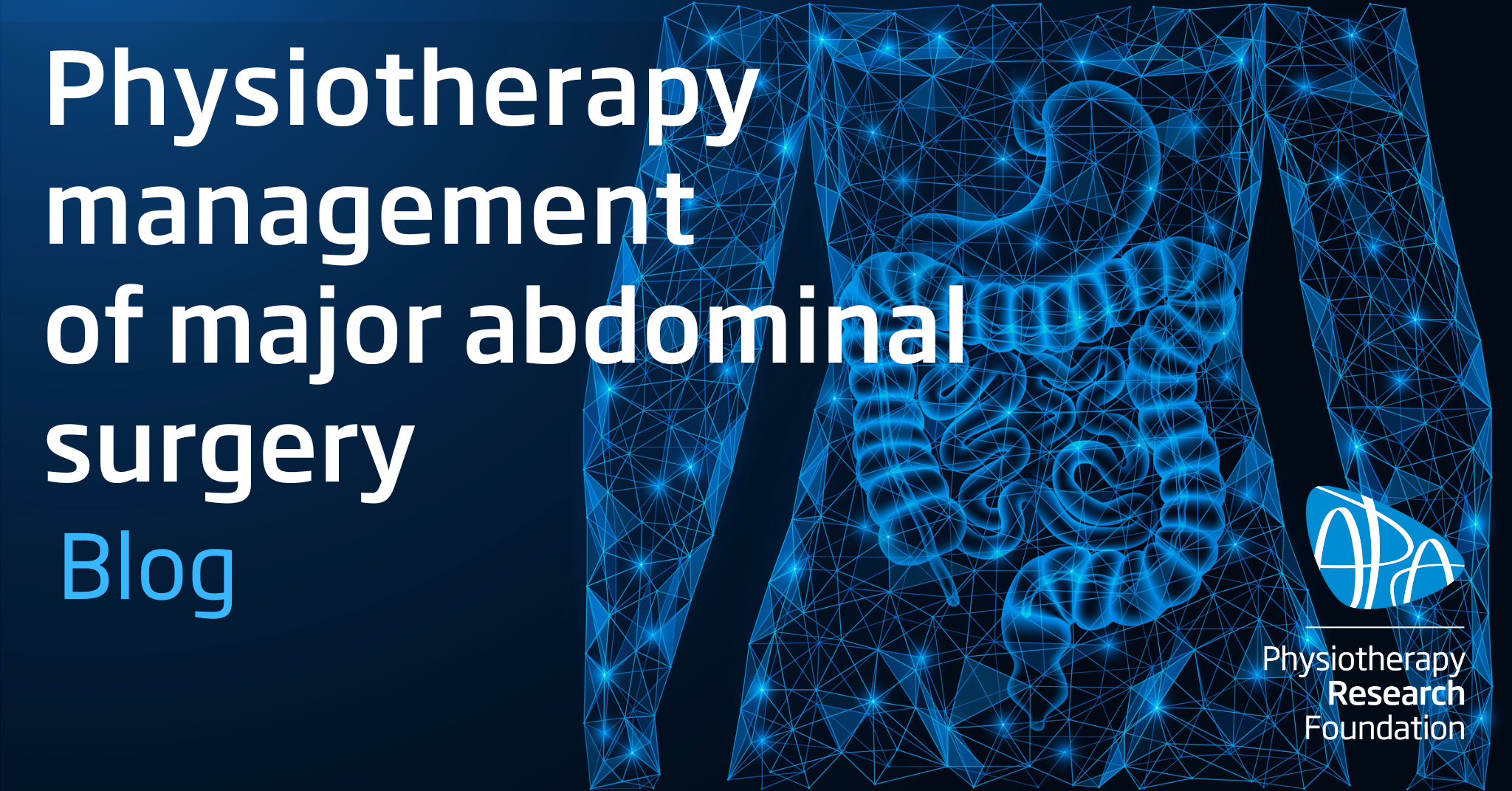
Physiotherapy management of major abdominal surgery
Physiotherapy management of breast cancer treatment-related sequelae
Physiotherapy management of rib fractures
Exploring Indigenous cultural protocols
Understanding injury risk for women in sport
Classifying chronic pain to aid treatment approaches
Benefits of physical activity after stroke
Balancing different approaches to treating low back pain
The role of exercise in falls prevention
Barriers to physical activity for people living with disability
Patient engagement in pulmonary rehabilitation
Exploring knee osteoarthritis: physiotherapy perspectives
Unlocking potential: AI's impact on physiotherapy
Patient centred care: promoting inclusive physiotherapy
Levelling the playing field: advancing disability inclusion in sports
Five facts about physiotherapy and return to work
Five facts about physiotherapy and neuropathic pain
Five facts about physiotherapy and frozen shoulder
Five facts about physiotherapy and anterior cruciate ligament reconstruction
Five facts about paediatric musculoskeletal disorders
Five facts about preventing injuries for female, woman and girl athletes
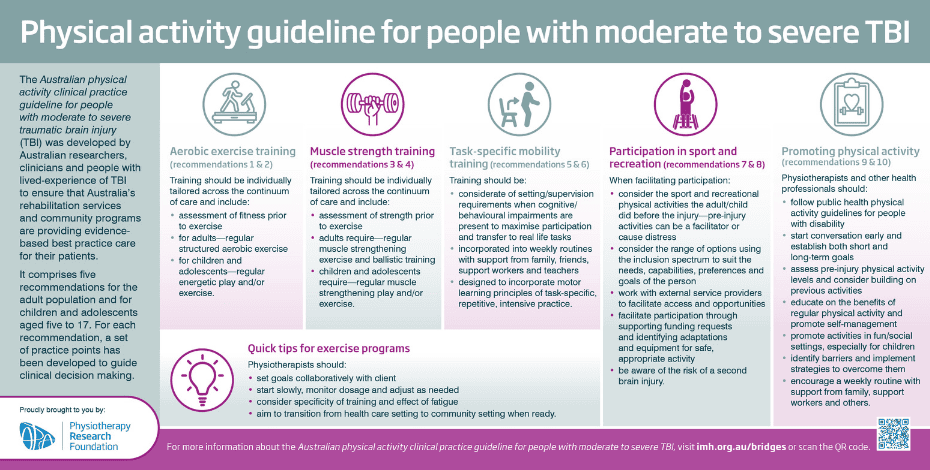
Australian physical activity clinical practice guideline
Five facts about physiotherapy and cerebral palsy
Five facts about cancer in men
Five facts about burnout, moral injury and fatigue in physiotherapists
Five facts about physiotherapy and menopause
Osteoarthritis of the Knee Clinical Care Standard
Back to top