MUSCULOSKELETAL Ivan Lin splits his time between research and clinical work for an Aboriginal Medical Service in rural Western Australia. Here he talks about why he keeps coming back to Geraldton.
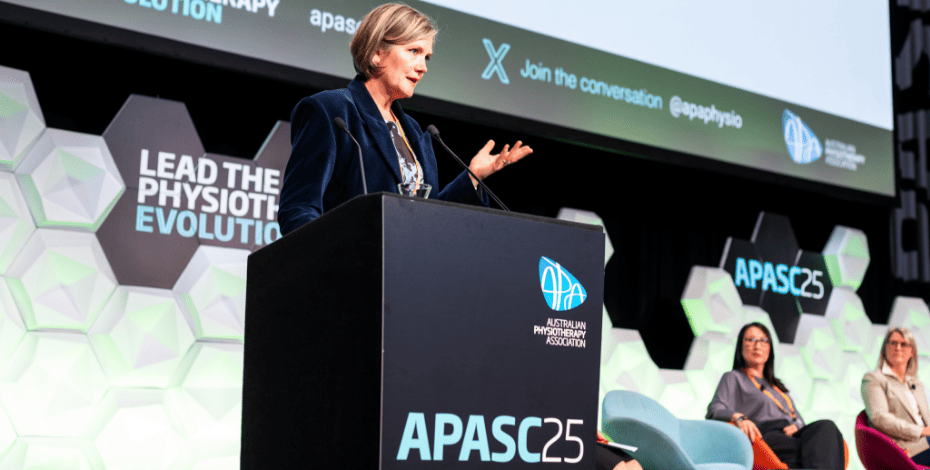
Co-design is an important aspect of physiotherapy research and affects all stages of the research process. In a mini keynote session at APASC25, a panel of physiotherapy researchers and their co-investigators with lived experience discussed how co-design can and should be implemented and its impact on research.
Physiotherapists at Royal Darwin Hospital are redefining renal care in the Northern Territory, improving outcomes for Aboriginal and Torres Strait Islander patients living with kidney disease.
When physiotherapists Jonathon Pearce and Jeremy Bottega joined Royal Darwin Hospital’s renal service, they stepped into new territory—both geographically and professionally.
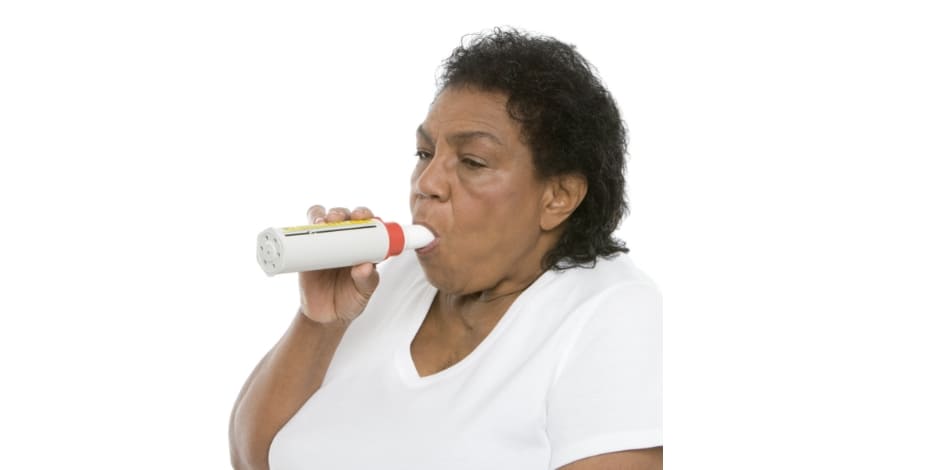
PULMONARY REHABILITATION A set of culturally safe resources to assist health workers at Aboriginal Community Controlled Health Organisations to yarn with their patients about chronic obstructive pulmonary disease has been launched by Lung Foundation Australia. Professor Jennifer Alison talks about their development.
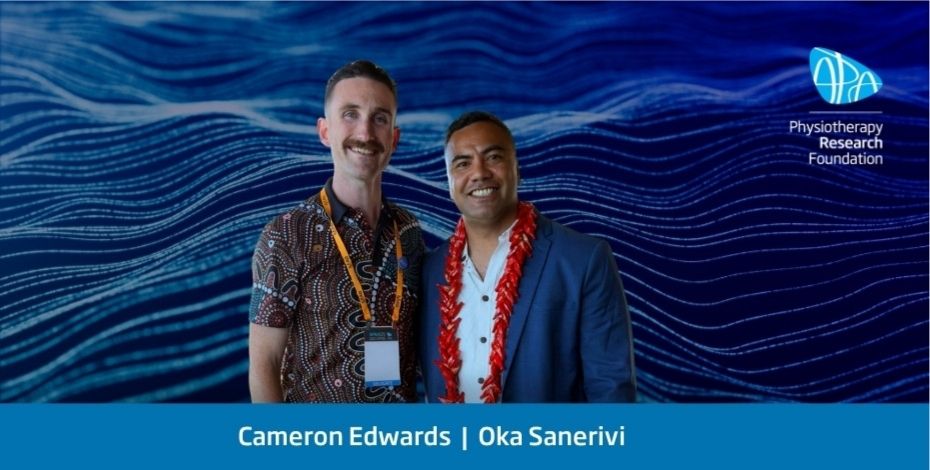
Cameron Edwards and Rob LoPresti discuss the new cultural protocols guide that will be launched to members at the end of October.
In early 2024, former APA Aboriginal and Torres Strait Islander Policy Officer Alyce Merritt identified that the Aboriginal and Torres Strait Islander Health Committee was receiving a number of commonly asked queries from staff and members.
At the 2025 Australian Pain Society’s 45th Annual Scientific Meeting, some of the profession’s leading lights presented groundbreaking research aimed at transforming pain care through more inclusive, evidence-based and system-aware approaches. Together, their work highlights the evolving role of physiotherapy in helping to tackle complex pain challenges across diverse populations.
I don’t have a crystal ball to tell me what the key priorities of the next federal government will be.
But I do know this: if we want the APA to lead healthcare reform that puts the patient journey at the centre and if we want to see physiotherapy properly funded to make a meaningful difference in people’s lives, we must build advocacy alliances with urgency and intent.
For this federal election, the APA was more prepared than ever.
Jyedn Murray discusses what cultural safety looks like and why it is critical for Aboriginal and Torres Strait Islander health.
When cultural safety is talked about in physiotherapy or healthcare more broadly, it’s easily reduced by many to something surface level, like a quick training session, a tokenistic Acknowledgement of Country, a social media post or knowing the right words to say.
A key aspect of the National Agreement on Closing the Gap—the whole-of-government strategy aimed at overcoming the inequality experienced by Aboriginal and Torres Strait Islander people—is to provide all Aboriginal and Torres Strait Islander people with access to culturally safe healthcare.
The National Aboriginal and Torres Strait Islander Health Plan 2021–2031 (Department of Health 2021) defines cultural safety as follows: