Injury and rehabilitation

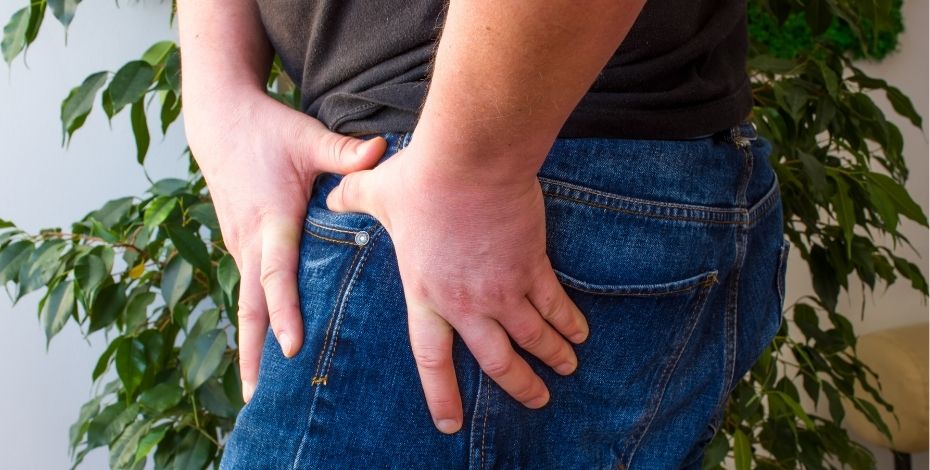
A man in jeans is holding the front of his hip/thigh.
INMOTION 29 Sep, 2026

Strengthening versus stretching for FAI syndrome

HIP PAIN Exercise can improve quality of life for people with the common hip condition femoroacetabular impingement syndrome, according to a newly published study.

A recent clinical trial led by Professor Joanne Kemp FACP (left) at La Trobe University has examined the outcomes of two different exercise-based, physiotherapist-led interventions for femoroacetabular impingement (FAI) syndrome. 

A cancer patient sits at home waiting for his physiotherapist to arrive, as it is a mobile service.,
INMOTION 24 Sep, 2026

Bringing cancer care to the patient

When Benjamin Gold’s wife Nicole Iglicki was diagnosed with breast cancer just before the COVID-19 pandemic, their lives became dominated by hospitals, surgery and chemotherapy. Nicole’s having to travel to care when she was feeling low sparked an idea for Benjamin: what if cancer rehabilitation and allied healthcare could come to the patient?

It was a simple observation born from personal experience: rather than asking an already exhausted cancer patient to travel to care, what if the care could come to them? 

Ashan Weerakkody MACP with Professor Sheila Lennon and Dr Natalie Fini at the 1980s-themed closing dinner of the APASC25 national conference.
INMOTION 01 Sep, 2026

Bringing rehabilitation home

This year, World Physiotherapy Day on 8 September celebrates the vital role that physiotherapists play in cardiovascular disease and stroke prevention, management and rehabilitation. For Ashan Weerakkody, that role goes far beyond the clinic.

When Ashan Weerakkody MACP reflects on the path that led him to neurological physiotherapy, there is one thing that stands out.

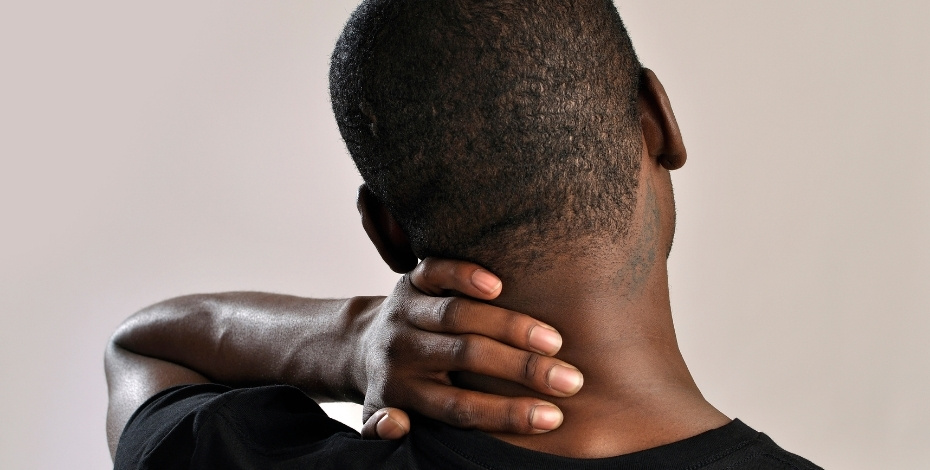
A man, seen from behind, is holding his neck.
INMOTION 01 Sep, 2026

Five facts about physiotherapy and whiplash

Whiplash injury to the neck is the most common musculoskeletal injury sustained in road traffic crashes. Marinus du Preez, Dr Christopher Papic, Hayden Garner, Dr Ana Paula Carvalho-e-Silva and Professor Trudy Rebbeck present five discussion points about physiotherapy management of whiplash.

A photo of a man returning to the workplace after being injured with a broken arm. His colleagues are greeting him.
INMOTION 03 Aug, 2026

Five facts about physiotherapy and return to work

Jess Fenwick, Katia Gould, Blake Hort and Jarryd Croxford of the APA Occupational Health national group present five discussion points on the vital role physiotherapists play in return to work for injured workers.

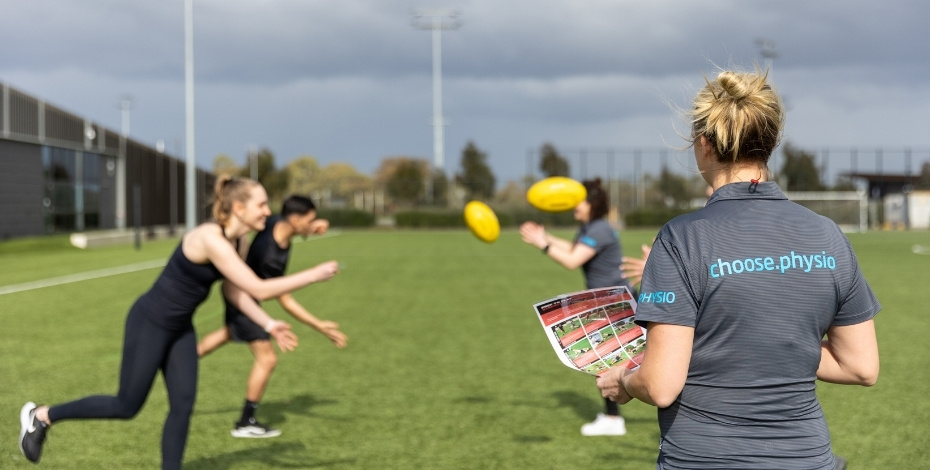
Physiotherapist training football coaches to deliver a structured warm-up
INMOTION 30 Jul, 2026

Implementing injury prevention in football

Research at La Trobe University has demonstrated a role for physiotherapists in training and supporting coaches to implement tailored injury prevention programs in community sports.

New research has highlighted a potential role for physiotherapists to work with coaches and players to effectively implement injury prevention programs like Prep-to-Play, an exercise-based injury prevention program developed for girls and women playing Australian Rules football. 

A generic, overhead photograph of two wrestlers locked in battle.
INMOTION 01 Jun, 2026

Wrestling with a late career change

From the wrestling mat to the treatment room, Kris Grzywniak’s path into physiotherapy has been anything but conventional. A former Polish national team wrestler and coach, now working in private practice, Kris brings a rare blend of lived athletic insight, coaching skills and clinical reasoning to every patient.

Krzysztof ‘Kris’ Grzywniak APAM does not fit the mould of the typical early-career physiotherapist. His journey into the profession was not a straight line from school to university to clinic. 

Man with injured shoulder
INMOTION 01 Jun, 2026

Five facts about physiotherapy and frozen shoulder

Ben Onofrio of the APA Musculoskeletal national group presents five discussion points about the diagnosis, treatment and management of frozen shoulder.


1. Differential diagnosis of FS must be deliberate and active 

External rotation loss is the clue; everything else is noise. 

Frozen shoulder (FS) is a label we think we are confident about until the stiff shoulder in front of you does not behave like one. 

People sitting at a table doing PD
INMOTION 27 May, 2026

Courses for you

The APA runs a significant number of professional development courses throughout the year, both face-to-face and online. Here are some highlights among the upcoming courses.

WOMEN’S PELVIC HEALTH LEVELS 1 AND 2 – PART B 

Designed to help physiotherapists develop their practical skills and clinical reasoning in women’s health, this course aligns with content taught in the online Level 1 Women’s Pelvic Health course. 

A tennis player gets ready to serve a tennis ball in this artistic impression.
INMOTION 26 May, 2026

Holding serve at the clinic and courtside

Running a private practice is demanding. Travelling the world with elite athletes is equally so. For Associate Professor Amir Takla, doing both has relied on a carefully constructed model built on trust, systems and an unwavering commitment to clinical excellence.

While Associate Professor Amir Takla MACP does not describe his career as a juggling act, by most measures it would qualify as one.