
Rehabilitation

The image is of a physiotherapist holding the hands of a cancer patient sitting on an exercise ball.
INMOTION 01 Oct, 2026

A step in the right direction

Cancer rehabilitation is about much more than restoring movement after surgery. Physiotherapist Subhash Narangoda uses exercise, pain management and lifestyle strategies to help people regain confidence, physical capacity and quality of life.

A cancer diagnosis and its treatment can leave a lasting physical and functional legacy. 

A pink cancer ribbon
INMOTION 01 Oct, 2026

Madolyn's story

When Madolyn Ryan discovered she was pregnant, she had no idea that the appointment would also mark the beginning of a cancer journey.

At around five weeks pregnant, Madolyn asked her doctor to check a lump in her left breast that she had had for several years. 

She had previously had ultrasounds where she was told it was a benign cyst but Madolyn had noticed more changes in the lump a few months before finding out she was pregnant. 

Physiotherapist Kylie Moffitt stands in front of a TEDx sign.
INMOTION 01 Oct, 2026

Exercise unlocks the pharmacy inside

Exercise is increasingly recognised as an essential component of cancer care but translating evidence into an appropriately dosed, individualised intervention remains a challenge. Physiotherapist Kylie Moffitt has spent the past decade developing a model of care that places exercise, rehabilitation and the therapeutic relationship at the centre of the cancer journey.

Kylie Moffitt APAM’s pathway into cancer rehabilitation began with a lecture. 

The illustration depicts a woman running on a ribbon.
INMOTION 01 Oct, 2026

Exercise as medicine: from cancer diagnosis to recovery

For cancer patients, adding exercise into their lives at a time when they are dealing with a cancer diagnosis and the whirlwind of surgery, treatments and management that follows might seem one step too far. The evidence, however, is mounting in favour of exercise as a critical component of cancer therapy.

Related articles:

A cancer patient sits at home waiting for his physiotherapist to arrive, as it is a mobile service.,
INMOTION 24 Sep, 2026

Bringing cancer care to the patient

When Benjamin Gold’s wife Nicole Iglicki was diagnosed with breast cancer just before the COVID-19 pandemic, their lives became dominated by hospitals, surgery and chemotherapy. Nicole’s having to travel to care when she was feeling low sparked an idea for Benjamin: what if cancer rehabilitation and allied healthcare could come to the patient?

It was a simple observation born from personal experience: rather than asking an already exhausted cancer patient to travel to care, what if the care could come to them? 

An X-ray image of bones to illustrate a musculoskeletal issue.
INMOTION 01 Sep, 2026

High-quality care for low back pain given a nudge

Reducing low-value care for low back pain remains one of the biggest challenges facing hospital emergency departments. A team of researchers including physiotherapist Associate Professor Adrian Traeger is offering important insights into why changing clinician and patient behaviour is more complex than it first appears.

Low back pain has never been simply another musculoskeletal presentation for Associate Professor Adrian Traeger APAM. 

The image is an illustration of a builder's scaffold.
INMOTION 01 Sep, 2026

Building stronger foundations for stroke care and rehabilitation

The recent launch of the updated Stroke Clinical Care Standard, coupled with the Stroke Foundation’s Living Clinical Guidelines for Stroke Management, provides Australian physiotherapists with a comprehensive, evidence-based framework for best practice care. Here, the two sets of recommendations are examined to understand how they work together and what physiotherapists should know about them.

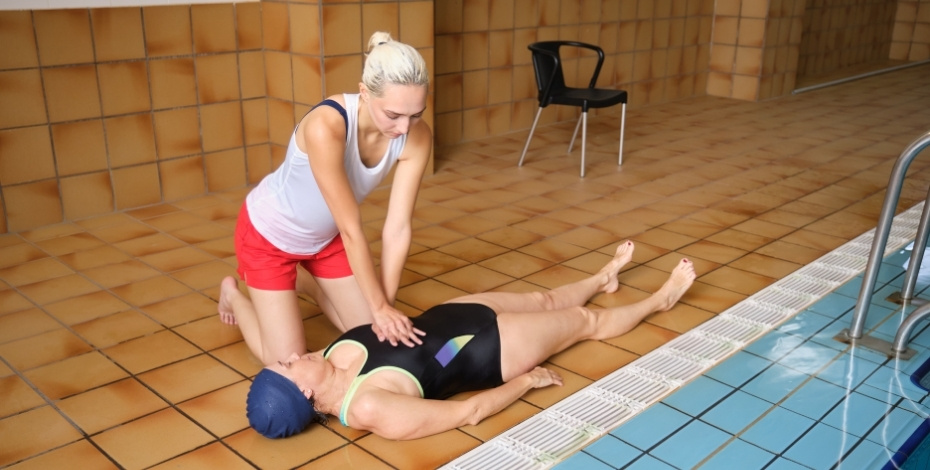
Lifeguard performing CPR on a person
INMOTION 26 Aug, 2026

Aquatic rescue in hydrotherapy

The APA has partnered with the Royal Life Saving Society – Australia (RLSSA) to enhance the RLSSA Hydrotherapy Rescue Award.

As part of that work, a recent project focused on the development of updated online learning content.

Building on a longstanding partnership between the two organisations, this latest update incorporates contemporary aquatic physiotherapy expertise while maintaining RLSSA’s established aquatic safety and rescue framework.

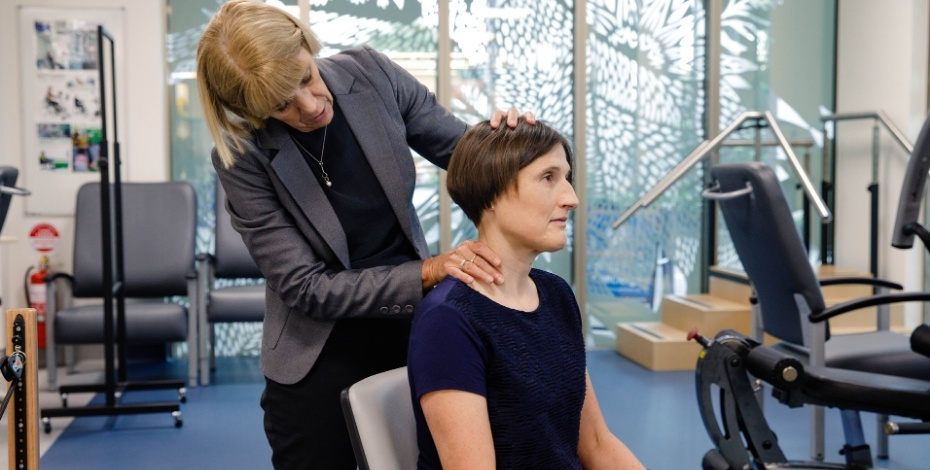
Professor Michele Sterling works with a patient.
INMOTION 01 Jul, 2026

Burning questions drive pain researcher

For more than two decades, Professor Michele Sterling has been at the forefront of pain research, reshaping how physiotherapists understand musculoskeletal injury, chronic pain and recovery after whiplash injury. Michele was recently named in The Australian’s top 250 researchers of 2026 and is the leading researcher in the area of pain and pain management. 

When Professor Michele Sterling FACP graduated as a physiotherapist in 1982, pain was viewed very differently from the way it is today.

A patient sitting on the edge of a hospital bed.
INMOTION 29 May, 2026

Rethinking surgical preparation

At the APA Victorian Branch Winter Breakfast on 24 July, keynote speaker Professor Catherine Granger will explore the growing role of prehabilitation in major cancer surgery.


The 2026 APA Victorian Branch Winter Breakfast will turn its attention to a phase of care before the operating theatre – but one that may ultimately shape outcomes.