
RESEARCH FOCUS Cuevas Medek Exercises are an increasingly popular paediatric therapy for children with disability but a recent review has shown that little evidence exists to support their use.
As digital technologies continue to develop and their use becomes more widespread in healthcare, the ability of physiotherapists to adapt for the future is paramount. Here, based on their popular session at APASC25 in Adelaide last October, Mark Merolli, Leo Ng and Trevor Russell offer insights into the power and potential of digital health technology in clinical practice.
Dr Joshua Heerey explores the major considerations for physiotherapists when diagnosing and treating
femoroacetabular impingement syndrome.
Hip osteoarthritis (OA) is a major cause of pain, disability and reduced quality of life.
Cam morphology – excess bone at the anterolateral femoral head-neck junction – contributes to femoroacetabular impingement (FAI) syndrome and hip OA, although progression is complex and multifactorial.
Two research projects on knee osteoarthritis, in partnership with the APA, were recently awarded Medical Research Future Fund grants.
Dr Jillian Eyles APAM is a physiotherapist and a clinical researcher at the Kolling Institute in Sydney.
Jillian is leading a project – along with colleague Professor David Hunter, a rheumatologist – that aims to reduce low-value care for knee osteoarthritis (OA).
Catch up on some of the latest research from the April issue of the Journal of Physiotherapy.
Burnout in physiotherapy
Ky Wynne’s editorial reveals that burnout in physiotherapy is driving early career attrition and impacting patient care. Ky agreed to answer some questions here.
Your editorial considers burnout in the physiotherapy profession. Burnout is increasingly discussed in physiotherapy – what does it actually look like in day-to-day clinical practice?
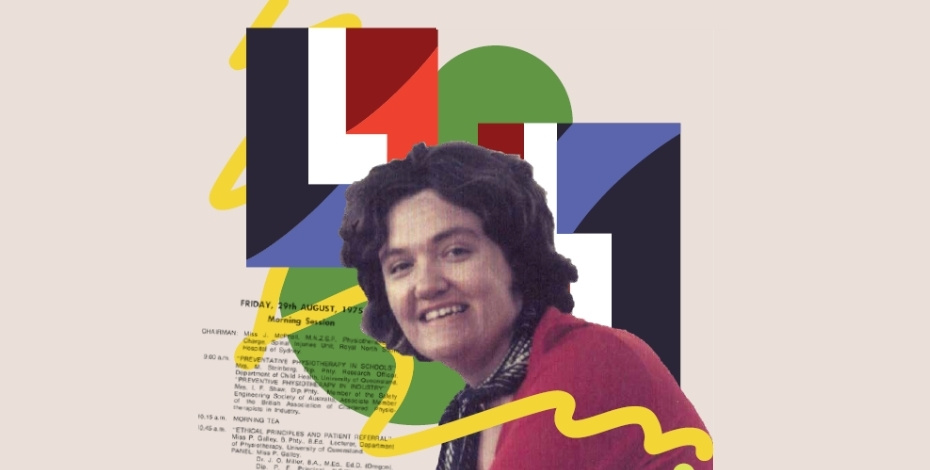
Physiotherapy careers often run in families but rarely across three generations working in different eras of the profession. For Jill Morrison, her daughter Shan Morrison and grandson Xander Clausen, physiotherapy is not just a career path – it is a shared language that has evolved across six decades of healthcare.
When Xander Clausen APAM sits down to Sunday dinner with his family, the conversation often drifts towards case studies, clinical reasoning and tricky patient presentations.
Emma Holly and Caroline Callister discuss why advanced scar therapy is an essential upskilling area for
physiotherapists, showcasing specialised courses that combine targeted manual techniques, clinical reasoning and patient empowerment to optimise recovery after injury, surgery and childbirth.
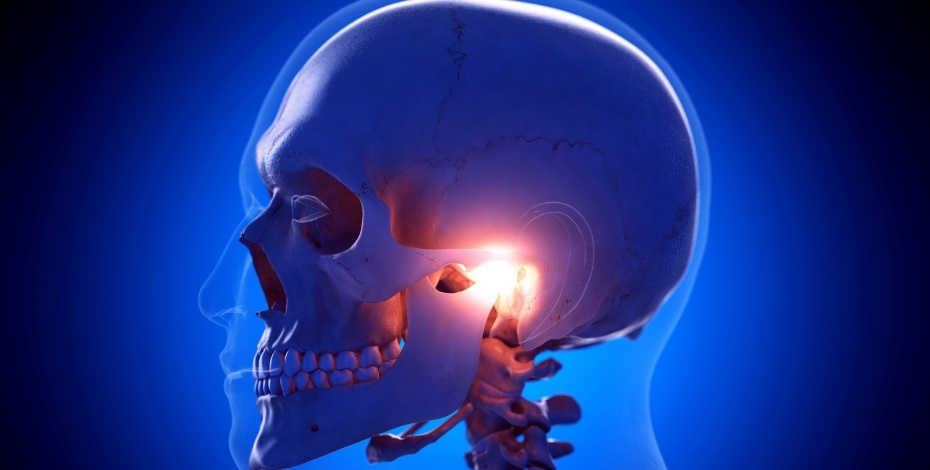
PAIN Orofacial pain physiotherapist Karri Field sees herself as a detective, sifting through the clues to help her clients manage their pain.
Karri Field MACP’s grandmother was among the first women to train as physiotherapists in New Zealand so Karri’s desire to follow in her footsteps was there from an early age.
And while she was initially interested in applying her knowledge to dancers, she became interested in pain pathways as a student at Australian Catholic University.