With its sights firmly fixed on the betterment of our profession, FOCUS24 recognises that we are all in the business of physiotherapy. Here, conference advisory committee members and presenters tell us what’s in it for you.
Travelling to Canberra to meet with ministers, ministerial advisers and departmental secretaries always brings a feeling of excitement.
You hope that you can educate, communicate, influence and, most importantly, deliver a consistent message.
My most recent visit had the added pleasure of accompanying our new CEO Rob LoPresti on his first trip advocating on behalf of the APA and the profession.
PHYSIOTHERAPY BOARD OF AUSTRALIA The experiences of physiotherapists working in regional, rural and remote
communities inform the Board’s understanding of practice across the country.
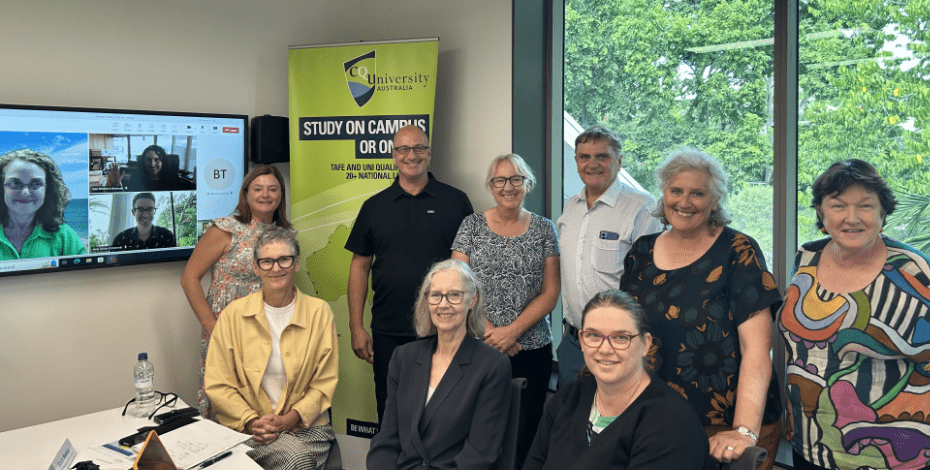
A recent meeting in Rockhampton, Queensland, has helped the Physiotherapy Board of Australia learn more about the issues faced by physiotherapists working in rural and regional areas of Australia.
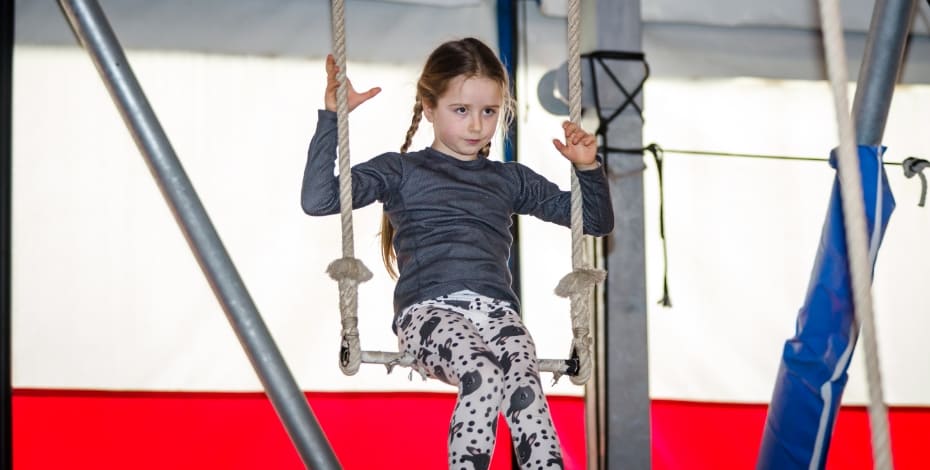
A study examining the co-design and subsequent feasibility of a health intervention for preschoolers born preterm brought together physiotherapists, parents and circus coaches.
Free Coulston APAM, a lecturer in physiotherapy at the University of Melbourne and a former circus educator, combined two of her passions in an effort to help children born extremely preterm/premature (EP).
Around eight per cent of births in Australia are preterm (less than 37 weeks gestation).
A unique multidisciplinary service catering specifically to larger patients and building the capability of healthcare services to provide equitable and excellent obesity care has started up in Melbourne. Founder Nadia Walton says demand for the service has been high.
‘Where do these patients go?’ was a question that played over and over in APA member Nadia Walton’s mind.
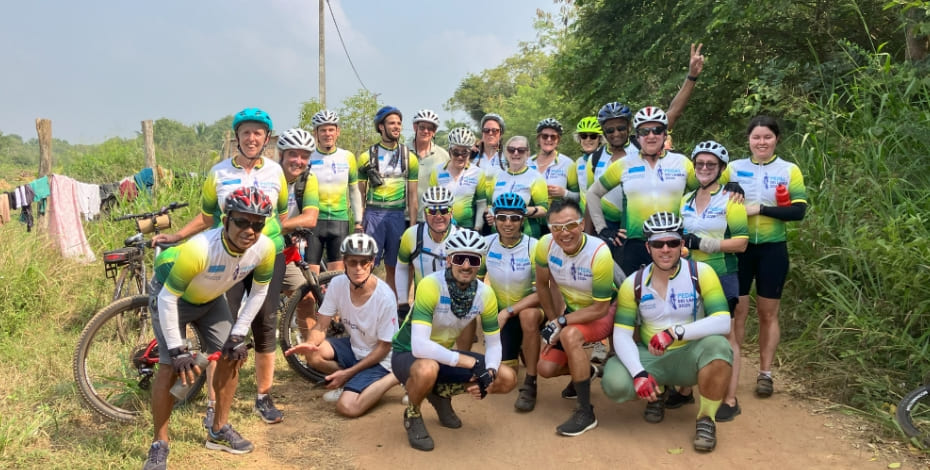
Family connections, personal experience and a desire to improve medical outcomes for those less fortunate spurred Kieran Michael to cycle 1350 kilometres around Sri Lanka and raise funds for the country’s lone paediatric cardiac centre.
Initially, Kieran Michael APAM, who works at The Alfred Hospital, Melbourne, had planned a solo ride, but when word of his plan spread, friends and family—including some current and retired nurses from Monash Health—offered to join.
Across the world, disparities in health are stark and developing countries often bear the brunt of inadequate healthcare infrastructure and resources.
Within this landscape, physiotherapy plays a crucial role in restoring mobility, functionality and quality of life to individuals grappling with a myriad of conditions.
In the western Asia-Pacific region, where unequal access to healthcare persists, the APA’s assistance has the potential to be transformative.
Bronte Scott and Emre Ilhan consider what physiotherapists need to understand about the intersectional experiences of people who are both LGBTQIA+ and culturally and racially marginalised.
The experiences of individuals who are LGBTQIA+ vary considerably, not only due to sexuality and gender identity.
These parts of an individual’s identity can interact with other aspects such as coming from a culturally and racially marginalised background.
Australians deserve access to funded physiotherapy at the top of physiotherapists’ scope of practice, argues APA General Manager, Policy and Government Relations Simon Tatz.
Every year, the federal government calls for submissions on Budget priorities.