
Pain

A graphic illustration of heads in silhouette, with connections between them.
INMOTION 01 Jul, 2026

Workshop tests new clinical reasoning framework

A clinical reasoning framework for chronic pain was the focus of a pre-conference workshop at the Australian Pain Society Annual Scientific Meeting.

Clinical reasoning provides physiotherapists and other clinicians with a basis for assessing, diagnosing and managing a patient’s condition. 

However, pain physiotherapists find that the standard clinical reasoning framework doesn’t always match the complexity of a patient with chronic pain. 
An illustration of the neural pathways in the brain
INMOTION 01 Jul, 2026

Shining a spotlight on pain research

At the 2026 Australian Pain Society’s 46th Annual Scientific Meeting, held in Adelaide in April, the breadth of physiotherapy’s contributions to pain research was highlighted. Here we report on some of the key sessions of interest to physiotherapists – from understanding the biological mechanisms underlying neuropathic pain to practical insights for working with children and adults living with chronic pain – and we present our latest series of videos featuring interviews with speakers about their research.

A graphic of the brain with connections
INMOTION 01 Jul, 2026

Five facts about physiotherapy and neuropathic pain

The International Association for the Study of Pain named 2026 as the Global Year for Neuropathic Pain. Zoë Harper, Karri Field and Cameron Dickson of the APA Pain national group present five discussion points about this condition.

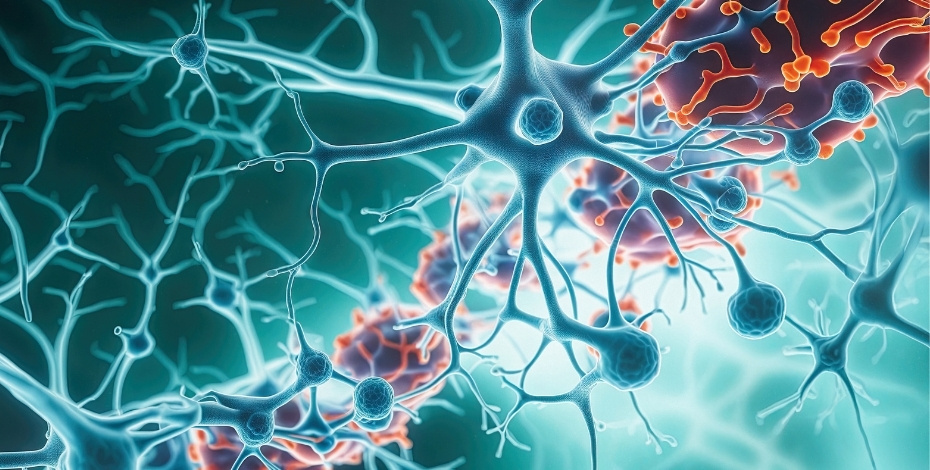
The image is a computer generated illustration of the cells in the immune system and the nervous system and their interactions.
INMOTION 29 Jun, 2026

Neuroimmune contributions to pain

PERSISTENT PAIN The combined role of the nervous system and the immune system as a contributor to persistent pain is slowly being worked out by researchers. Physiotherapy researcher Dr Scott Farrell talks about new avenues for investigation.

There is increasing recognition of the role of neuroimmune factors as contributors to persistent pain but the mechanisms behind this are still being teased out. 

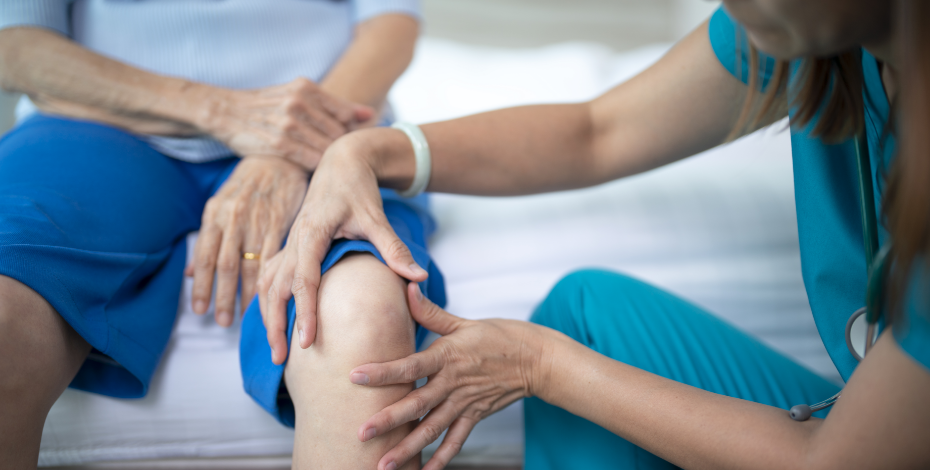
A patient's knee is examined by a therapist as if he is in pain.
INMOTION 26 Jun, 2026

Collective approach takes the sting out of pain management

Alongside the physical symptoms of persistent pain, there often come years of frustration, fear of movement, conflicting advice, unsuccessful treatments and a growing loss of confidence in the body. For physiotherapists, helping people navigate that complexity can be one of the most challenging – and rewarding – areas of clinical practice.

Physiotherapist Matthew Ash APAM has spent much of his career working with people whose pain persisted long after an injury should have healed. 

The image, which is taken from above, is of a person working on a notebook computer.
INMOTION 24 Jun, 2026

OPENing up pain education to all

PAIN EDUCATION The APA has recently made the Online Pain Education Network’s Clinical Pain Management Training Program a prerequisite for its foundation pain physiotherapy courses.

The Online Pain Education Network, or OPEN, provides pain management education to clinicians and health professionals, through a series of 15 online modules – the OPEN Clinical Pain Management Training Program – that lay the foundations for clinicians who work with people living with pain. 

A woman clutching the small of her back in pain
INMOTION 24 Jun, 2026

Delivering effective interventions

The upcoming issue of the Journal spans prevention, rehabilitation, implementation and workforce reform. Scientific editor Mark Elkins provides a summary of the content.

The July issue of Journal of Physiotherapy highlights how contemporary physiotherapy increasingly depends not only on effective interventions, but also on understanding what patients value, how clinicians deliver care and how health systems support implementation. 

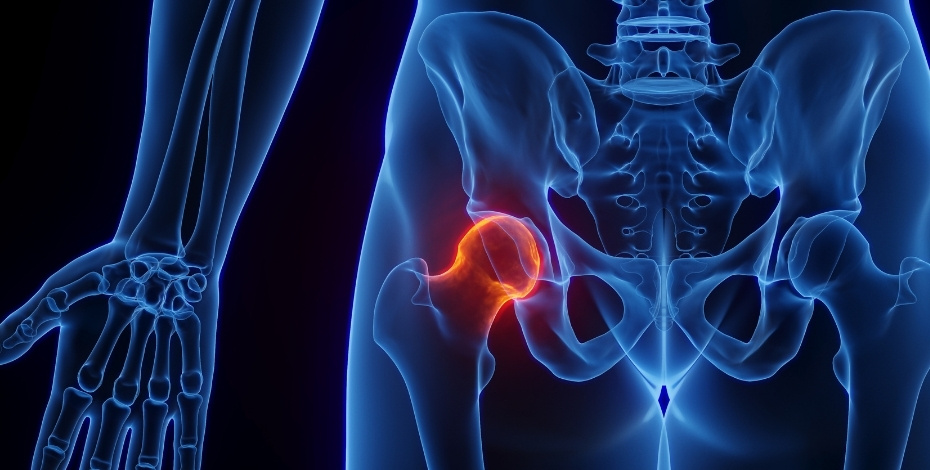
Graphic depicting hip osteoarthritis
INMOTION 29 May, 2026

Biofeedback shorts for hip OA

A recent recipient of a 2025 Seeding Grant is investigating the feasibility of a biofeedback device for managing hip osteoarthritis.

Dr Andrea Hams MACP is an APA Titled Research Physiotherapist, a lecturer at Griffith University and a former elite track and field athlete. 

She has a passionate interest in chronic musculoskeletal conditions and treatments with an ‘exercise-based flavour’. 

Graphic of person with knee OA receiving treatment
INMOTION 25 May, 2026

APA members secure big research grants

Two research projects on knee osteoarthritis, in partnership with the APA, were recently awarded Medical Research Future Fund grants.

Dr Jillian Eyles APAM is a physiotherapist and a clinical researcher at the Kolling Institute in Sydney. 

Jillian is leading a project – along with colleague Professor David Hunter, a rheumatologist – that aims to reduce low-value care for knee osteoarthritis (OA). 

Graphic of the lungs with bronchiectasis
INMOTION 20 May, 2026

Bronchiectasis in children

A recent recipient of a 2025 Seeding Grant is investigating barriers and enablers for physiotherapy interventions in children with bronchiectasis.

Liz Webb is a Melbourne-based physiotherapist who’s always had an interest in cardiorespiratory physiotherapy and currently works at the Alfred Hospital in its outpatient respiratory clinic.