
Pain

Physio is committed to being at the leading edge of pain field
INMOTION 31 Dec, 2021

Physio is committed to being at the leading edge of pain field


APA Honoured Member and the National Chair of the APA Pain Group, Dianne Wilson, responds to commentary questioning some trends in thinking among physiotherapists working in pain management. 


I was pleased to read Dr Quintner’s contribution in our national publication (‘Philosophical hurdles for musculoskeletal pain’, InMotion February 2020). Any discussion that promotes best practice physiotherapy is valuable.


Philosophical hurdles for musculoskeletal pain
INMOTION 31 Dec, 2021

Philosophical hurdles for musculoskeletal pain


John Quintner questions certain trends in thinking among some physiotherapists working in the area of pain management.

Tools to help navigate childhood pain
INMOTION 31 Dec, 2021

Tools to help navigate childhood pain


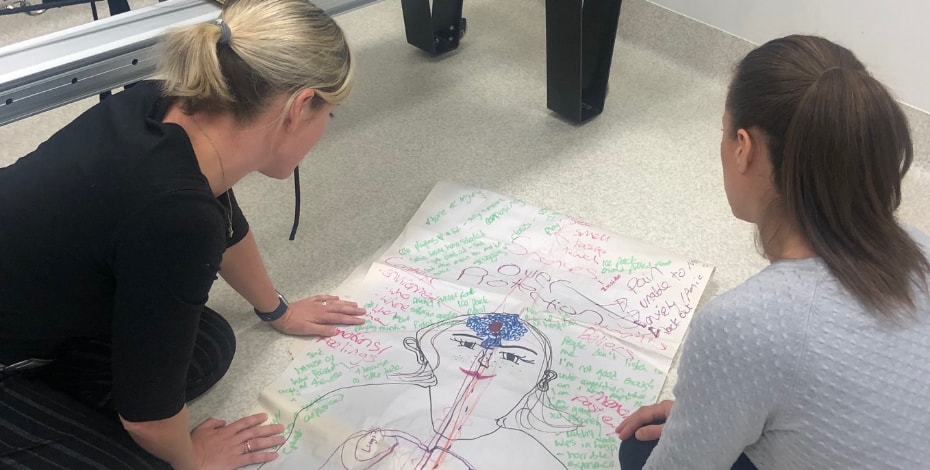
Physiotherapists have access to a tool that can be used to motivate families despite the overwhelming challenge and distress of childhood chronic pain, writes Rebecca Fechner.


It is well known that the gold standard for chronic pain management for adults and children involves biopsychosocial care in multidisciplinary teams (Harrison et al 2019).

Exploring ways forward with whiplash
INMOTION 31 Dec, 2021

Exploring ways forward with whiplash


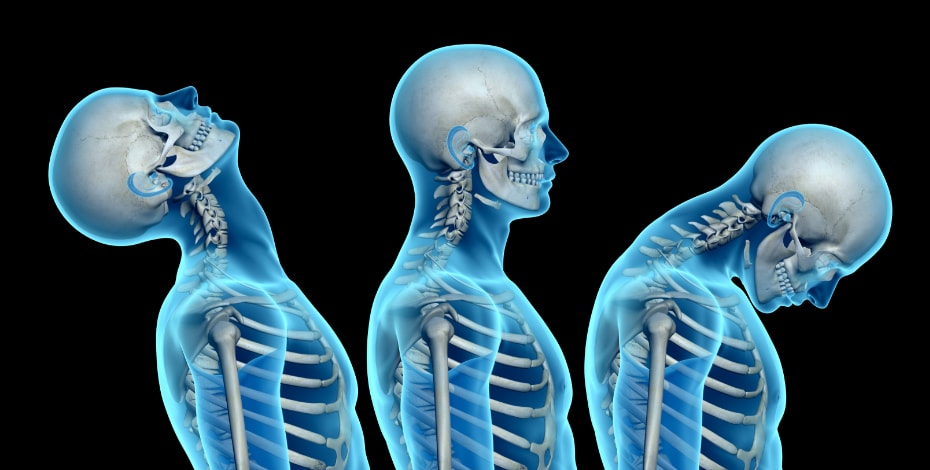
VIC BREAKFAST Michele Sterling will explore the impact of stress symptoms, a predictor of poor recovery, in whiplash associated disorders. Marina Williams reports.


About 50 per cent of people who have incurred a whiplash associated disorder in a motor vehicle crash will not have recovered within a year post injury, says Professor Michele Sterling, citing national and international data.

Developing a new treatment for painful Achilles problems
INMOTION 31 Dec, 2021

Developing a new treatment for painful Achilles problems

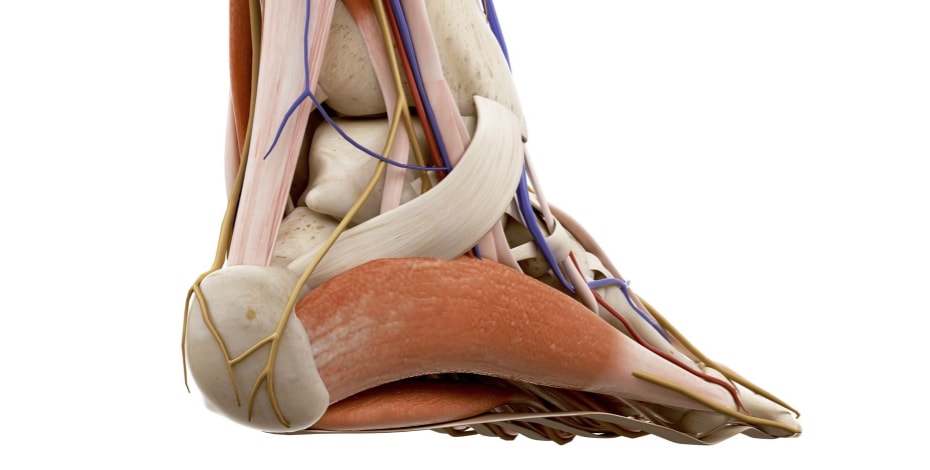
Lead investigator Associate Professor Peter Malliaras outlines his team’s study examining the efficacy of tendon sheath injection for Achilles tendinopathy, and invites you to become involved.

Learning starts with the right question
INMOTION 31 Dec, 2021

Learning starts with the right question


Across the world, a new search is initiated on the Physiotherapy Evidence Database (PEDro) every 12 seconds. However, in order to get the right answer to a clinical conundrum, you have to know how to pose the right question to get the best results. PEDro founding director Anne Moseley discusses how to refine the perfect search.

Improving pain for young people
INMOTION 31 Dec, 2021

Improving pain for young people


Improving the quality of life for young people experiencing persistent pain is a focus of interest for APA member Bec Fechner. 


In her role as a senior physiotherapist with the Queensland Interdisciplinary Paediatric Persistent Pain Service (QIPPPS) at Queensland Children’s Hospital, Bec Fechner supports children and their families to understand the biopsychosocial complexity of persistent pain.

Talking the talk
INMOTION 31 Dec, 2021

Talking the talk


Having a positive, long-term health impact on your patients can be boosted by ensuring you use the right language and approach in your role as communicator, writes Cassandra Zaina, FACP.


Have you ever stopped to think of the role you play in influencing the long-term health outcomes of your patients? We are often focused on the short-term results of an episode of treatment, but how do we create long-term change to help our patients achieve healthy habits, improve resilience and health literacy to avoid injury into the future?

Risk of recurrence of low back pain
INMOTION 31 Dec, 2021

Risk of recurrence of low back pain

Mark Hancock one of the authors of ‘Risk of recurrences of low back pain: a prospective inception cohort study’, elaborates on this research, published in the latest issue of the Journal of Physiotherapy.


Among those who recover from low back pain, do we know much about whether it reoccurs?

CONFERENCE: Pain
INMOTION 31 Dec, 2021

CONFERENCE: Pain


International keynote speaker Jennifer Stinson will describe how her work applies a user-centred design approach to developing and evaluating digital health technologies.