
Clinical practice and scope

Person lying on the ground  after an accident and people coming to her aid
INMOTION 29 Oct, 2025

Compensation and work-related pain

It’s time to re-establish the reputation of physiotherapy in compensation arenas, say Dr Darren Beales, Dr Tim Mitchell and Craig Elliott as they consider some fundamental principles for physiotherapists managing people with work-related pain.

Too often we come across physiotherapists lamenting, berating or being perplexed by the way our profession is viewed in compensation arenas (workers compensation or motor vehicle insurance). 

Marcus Mancer with a client at the Darwin practice.
INMOTION 27 Oct, 2025

Tangible approach to diversifying practice

Darwin physiotherapist Marcus Mancer has built a business based on diversity—of services, clients and locations. His practice balances clinical care with occupational health, industry partnerships and community engagement, leading to steady growth and lasting opportunity in regional Australia.

Marcus Mancer MACP’s path to physiotherapy began on Kangaroo Island in South Australia. Growing up the son of a farmer and teacher, Marcus found that his teenage years were shaped by his father’s struggles with rheumatoid arthritis.

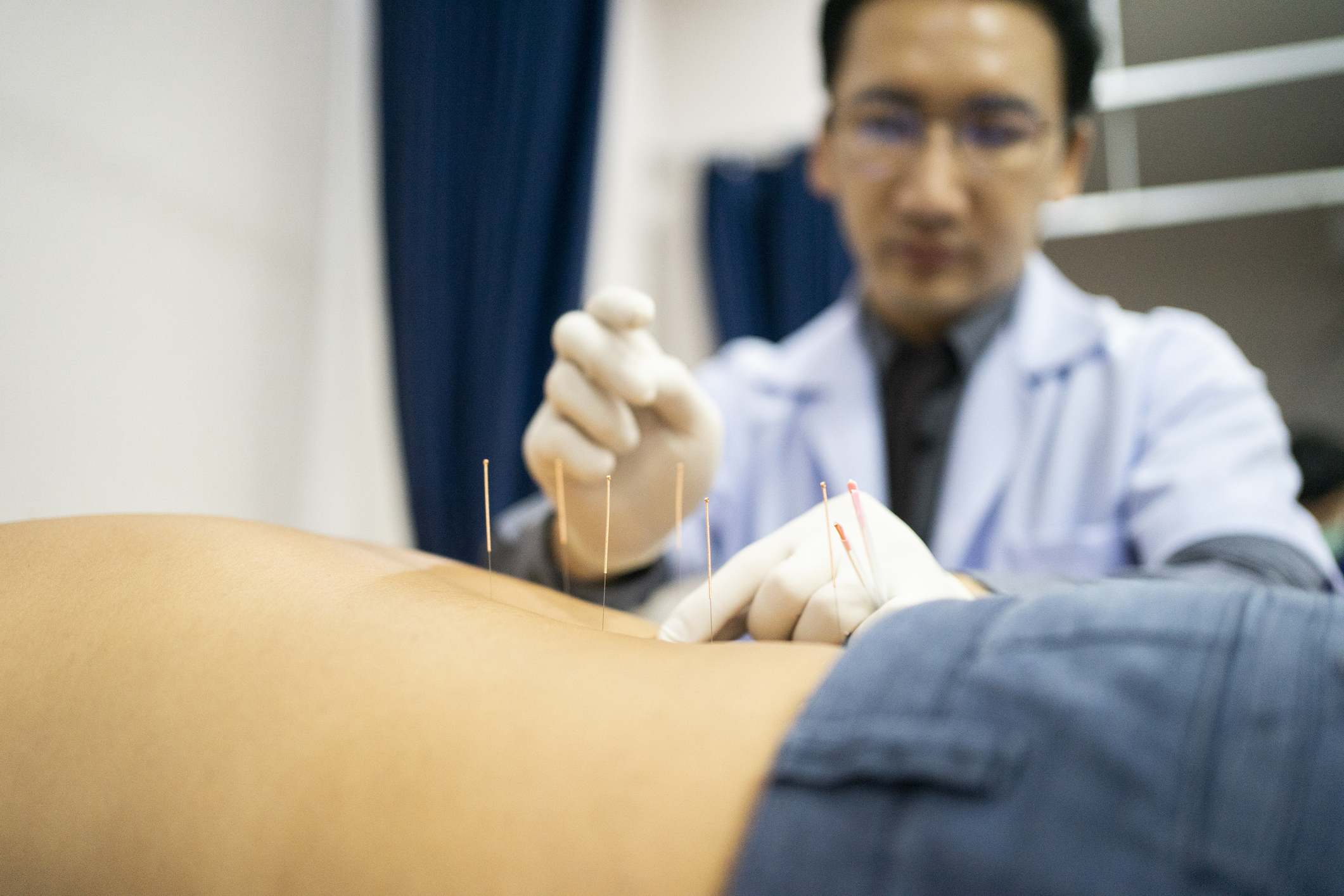
The image shows a patient getting acupuncture
INMOTION 08 Oct, 2025

APASC25: Using acupuncture for pelvic pain

British physiotherapist and educator Dr Carl Clarkson answers some questions about the uses of acupuncture and dry needling when treating pelvic pain in advance of his keynote presentation at APASC25.

What are common misconceptions about using acupuncture and dry needling for pain? 

Acupuncture and dry needling are often confused, but they differ in purpose and philosophy. 

The image is of the lower part of a woman's head resting in her hand. A yellow scribble is exploding out of the top part of her head.
INMOTION 01 Oct, 2025

Answering clinical questions with PEDro

Geraldine Wallbank and Dr Josh Zadro explain how to make the most of your search through the Physiotherapy Evidence Database.

The Physiotherapy Evidence Database (PEDro) is a trusted global resource that gives physiotherapists support to implement evidence-based practice. 

Indexing more than 66,000 articles, PEDro focuses on evidence that can be directly applied in practice— evidence-based clinical practice guidelines, systematic reviews and randomised controlled trials. 

The image represents ideas and research, with question marks, puzzle pieces, a hand pointing to a light bulb and exploding stars.
INMOTION 01 Oct, 2025

How to interpret a research paper

Professor Steve Kamper offers some tips to help physiotherapists identify high-quality research that will be relevant to their work.

It’s a sad fact of life that the peer review process doesn’t guarantee the quality of studies published in scientific journals. 

What is published ranges from the scientifically robust and reliable all the way to the useless and fraudulent. 

So how is a busy clinician—who wants to stay up to date with the good stuff—to know where to spend their precious reading time? 

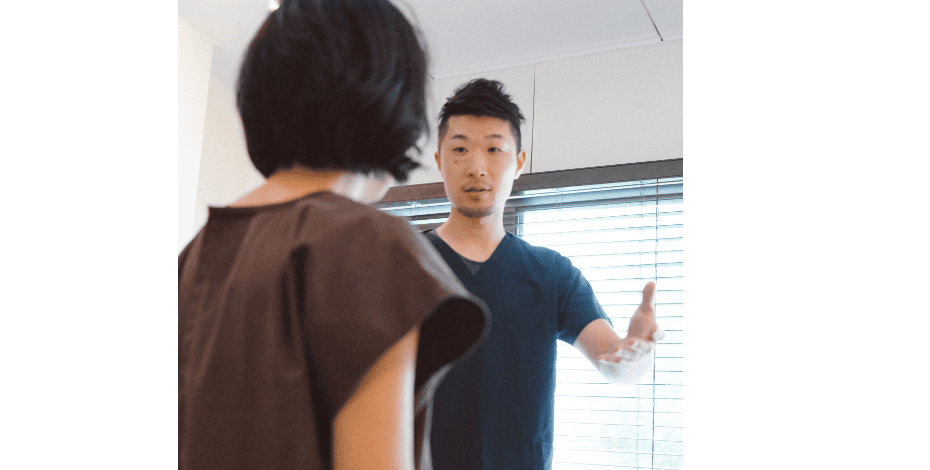
Male physiotherapist talking to a female patient
INMOTION 29 Sep, 2025

Screening psychosocial factors through conversation

Des O’Shaughnessy and the members of the It Pays to Care physiotherapy advisory group discuss how to use the ABCDEFW framework to explore how a patient’s situation may be impacting their recovery.

Our previous three-part series looking at improving patient recovery from work injuries explored how understanding psychosocial factors can improve clinical outcomes. 

The image shows a physiotherapist with her hands on the back of a patient, who is sitting with their back to the camera.
INMOTION 24 Sep, 2025

Choosing wisely? ...or not

GUIDELINES Knowing that a particular course of treatment may not meet current guidelines for best practice high-value care doesn’t stop clinicians from using it, says a recently published study. Researcher Dr Priti Kharel talks about her results.

In recent years, a number of Australian and global clinical recommendations and guidelines for best practice have been developed and promoted for a variety of musculoskeletal conditions including low back pain, knee osteoarthritis and whiplash. 

The image is a cartoon representation of lifestyle medicine with a doctor surrounded by images of healthy food, exercise, and more
INMOTION 10 Sep, 2025

APASC25: integrating lifestyle approaches

Lifestyle medicine physician Dr Jenny Brockis will deliver a keynote address for the Mental Health stream at APASC25 and present a half-day pre-conference workshop. Ruth Lira, chair of the Western Australia branch of the Mental Health national group, asks her how physiotherapists can integrate lifestyle medicine into their practice.

What is lifestyle medicine, and is it possible for physiotherapists to blend and integrate lifestyle medicine into patient care? 

A graphic image abstractly representing the organs of the female pelvis
INMOTION 01 Sep, 2025

Persistent pelvic pain and endometriosis

Physiotherapy is increasingly recognised as a treatment for persistent pelvic pain and endometriosis. Four experts from the APA's Women's, Men's and Pelvic Health national group tell us what physiotherapists should know about these conditions and when to seek expert help.

Persistent pelvic pain is a leading health concern for women, girls and other people with a uterus. 

There are a variety of causes but endometriosis is considered to be the predominant condition. 

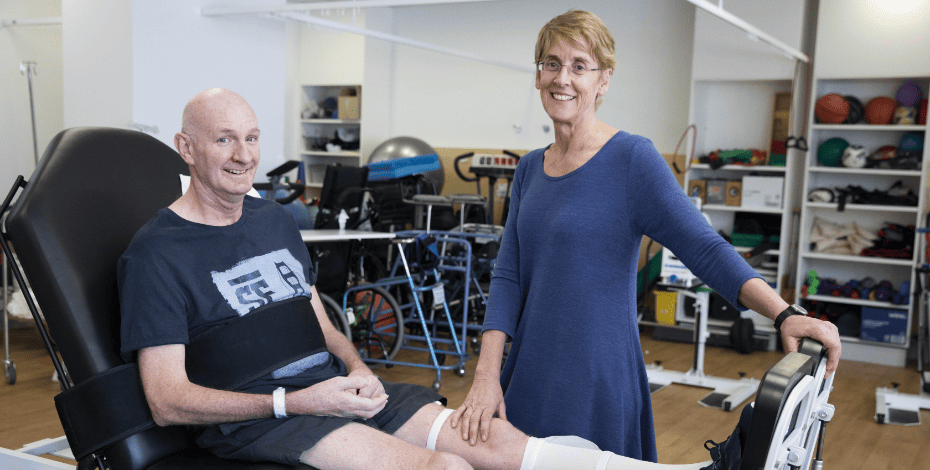
Professor Lisa Harvey with a patient
INMOTION 27 Aug, 2025

Excellence in spinal cord injury care

AWARD Professor Lisa Harvey received the International Spinal Cord Society’s medal for excellence within the field in 2024 and has plenty more research on the horizon. Chloe Pigneguy reports.