

Digital health and telehealth

Steve Sammartino talked technology and AI during the closing keynote. Photo: Michael Blyde
INMOTION 01 Dec, 2025

APASC25: A technological turning point

In a high-energy and often hilarious closing keynote at APASC25 in Adelaide, futurist and technology commentator Steve Sammartino challenged physiotherapists to grasp the scale of the technological revolution unfolding now—one he believes will reshape every aspect of healthcare.

In Steve’s presentation, ‘The future of health’, he explored the accelerating pace of change and placed physiotherapists at the centre of the opportunities that lay ahead.
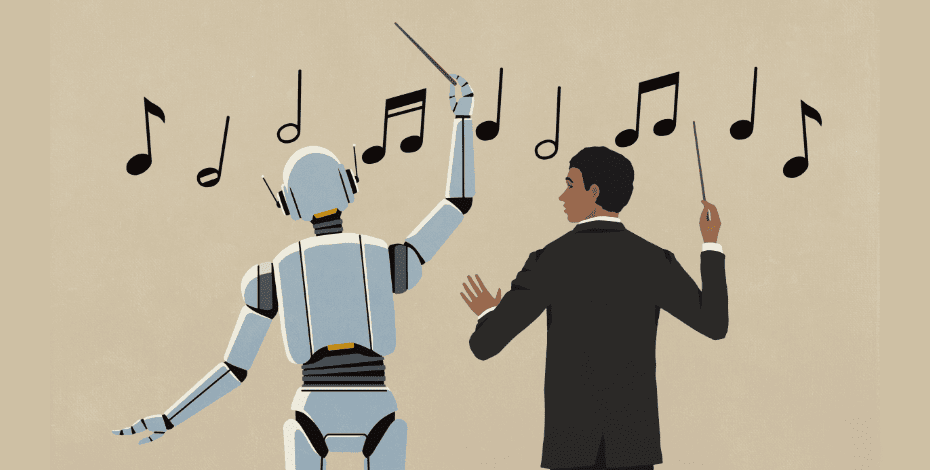
A robot conducting music alongside a human conductor
INMOTION 28 Nov, 2025

AI and accountability in physiotherapy

A recent decision by the Administrative Review Tribunal has highlighted the serious professional risks of using artificial intelligence (AI) in clinical documentation without appropriate oversight.

According to The Australian Financial Review, an NDIS participant’s bid to increase her $202,000 support package was rejected in part because two physiotherapists had used AI tools to help draft reports submitted as evidence. 

Image of translucent panels with writing and graphics showing tech-related topics
INMOTION 25 Aug, 2025

Bridging the AI divide in physiotherapy

Barry Nguyen examines how physiotherapists are adopting artificial intelligence and highlights the benefits of embracing technology, the costs of avoidance, the risks of uninformed implementation and what lies ahead for the profession.

Artificial intelligence (AI) isn’t coming to physiotherapy—it’s already here. 

AI is embedded in how we communicate, automate workflows and, increasingly, deliver patient care. 

A group of people bringing their hands together
INMOTION 30 May, 2025

Strength in numbers

I am excited to be developing the APA’s next strategic plan so early in my tenure. In my view, strategic development is as much about the process as it is about the outcome. 

The pathway to our 2025 strategic plan has relied on diverse voices both within and beyond our organisation, encompassing feedback from our staff, board members, membership base and key stakeholders. 

The image shows a pregnant woman lying on a rug on her side. A physiotherapist has her hands on the woman's hip and belly.
INMOTION 28 May, 2025

Machine learning helps predict pelvic girdle pain

PREGNANCY Machine learning approaches have been used to identify the main risk factors for developing pregnancy-related pelvic girdle pain, which may lead to a screening tool.

Pregnancy-related pelvic girdle pain (PPGP) is a common complication of pregnancy affecting between 23 and 65 per cent of pregnant women worldwide. 

Distinct from low back pain, it affects the pelvic joints—in particular, the pubic symphysis and sacroiliac joints. 

A digital image to illustrate the use of artificial intelligence in the workplace.
INMOTION 28 Mar, 2025

Integrating AI into the physiotherapy profession

As we look to the future of physiotherapy, artificial intelligence (AI) stands poised to transform Australia’s healthcare landscape.

We predict that AI has the potential to reshape our clinical care, the business of physiotherapy and the education of physiotherapists in numerous ways.

As a professional body, we recognise our responsibility to understand, engage with and provide guidelines and support for these emerging technologies.

An abstract image of computer code
INMOTION 26 Mar, 2025

Navigating the AI tide

AI IN PRACTICE Barry Nguyen considers the long-term effects of AI on practitioners and finding the balance between opportunity and the risk of losing critical skills.

How does the rise of artificial intelligence (AI) affect our physiotherapy skills? 

AI presents a fascinating paradox for physiotherapists— incredible opportunities for advancement alongside potential risks to fundamental clinical abilities. 

A graphic image of a blue and silver robotic hand touching a stream of data.
INMOTION 27 Jan, 2025

AI agents and the future of physiotherapy

The rapid rise of autonomous AI agents has implications for physiotherapy practice.

The physiotherapy industry is on the brink of a new era, driven by advancements in artificial intelligence (AI).

Early tools like chatbots hinted at what AI could do but within the next two to three years, AI agents—powered by advanced language models—are set to change how clinics operate.

Blurry image of a tree, symbolising dizziness
INMOTION 30 Aug, 2024

Online acute vestibular learning

A recent grant recipient is investigating the development of an online training package to help physiotherapists manage acute vestibular conditions

Dr Caitlin Farmer MACP is an advanced practice physiotherapist at Royal Melbourne Hospital who has worked in various roles in emergency departments (EDs) since 2008.

She has a keen interest in helping people experiencing vestibular conditions, particularly in acute settings.

A nurse in a blue uniform adjusts a breathing respirator on a cancer patient.
INMOTION 01 Jul, 2024

Lung cancer toolkit for physios

PAT COSH GRANT Catherine Granger talks about her proposed lung cancer education toolkit for physiotherapists.

Lung cancer is the fifth most common cancer in Australia, with an estimated 14,800 Australians diagnosed with the disease in 2023.

Surgery is typically the first treatment option for early and localised cancer but patients can be left with significant fatigue, breathlessness and pain; reduced functional capacity and muscle strength; and poor health-related quality of life.