
Rural and remote

The image is an illustration with many small white figures on a dark background. One figure toward the front is spotlighted.
INMOTION 01 Aug, 2024

Spotlight on the physio workforce

ADVOCACY The APA’s first workforce census provides insights into the characteristics and career intentions of the physiotherapy workforce across Australia. We talk to Scott Willis about the key findings of the census and explain why it was needed.

The 2023 Workforce Census provides a snapshot of where the physiotherapy profession is currently at, says APA President Scott Willis.
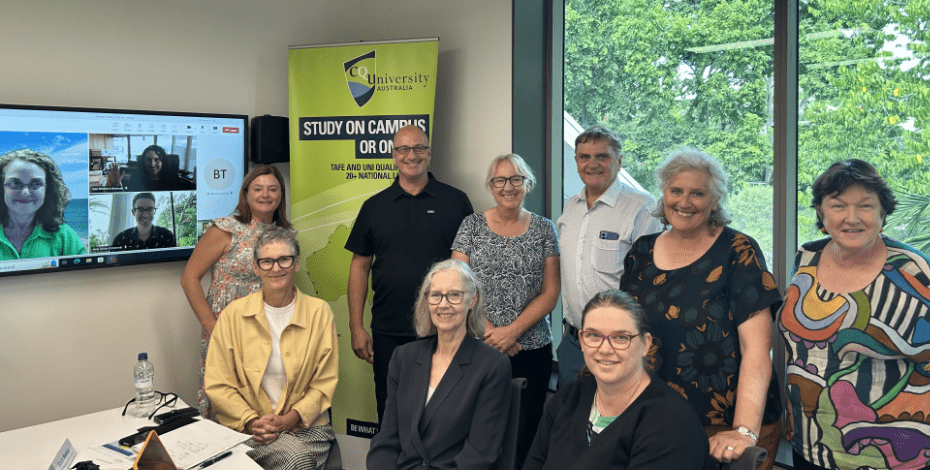
On screen: Board members Kim Gibson APAM, Kate Waterford and Simon Watt APAM; standing(L to R): Bet Tennant (Ahpra), Sean Ledger (CPDANZ) and Board members Paula Harding MACP, David Cross APAM, Sheila Lennon APAM and Cherie Hearn APAM; sitting (L to R): Board members Rosie Mathlin, Libby Trickett and Sally Adamson APAM.
INMOTION 26 Jul, 2024

Rural and regional perspectives

PHYSIOTHERAPY BOARD OF AUSTRALIA The experiences of physiotherapists working in regional, rural and remote communities inform the Board’s understanding of practice across the country.

A recent meeting in Rockhampton, Queensland, has helped the Physiotherapy Board of Australia learn more about the issues faced by physiotherapists working in rural and regional areas of Australia.

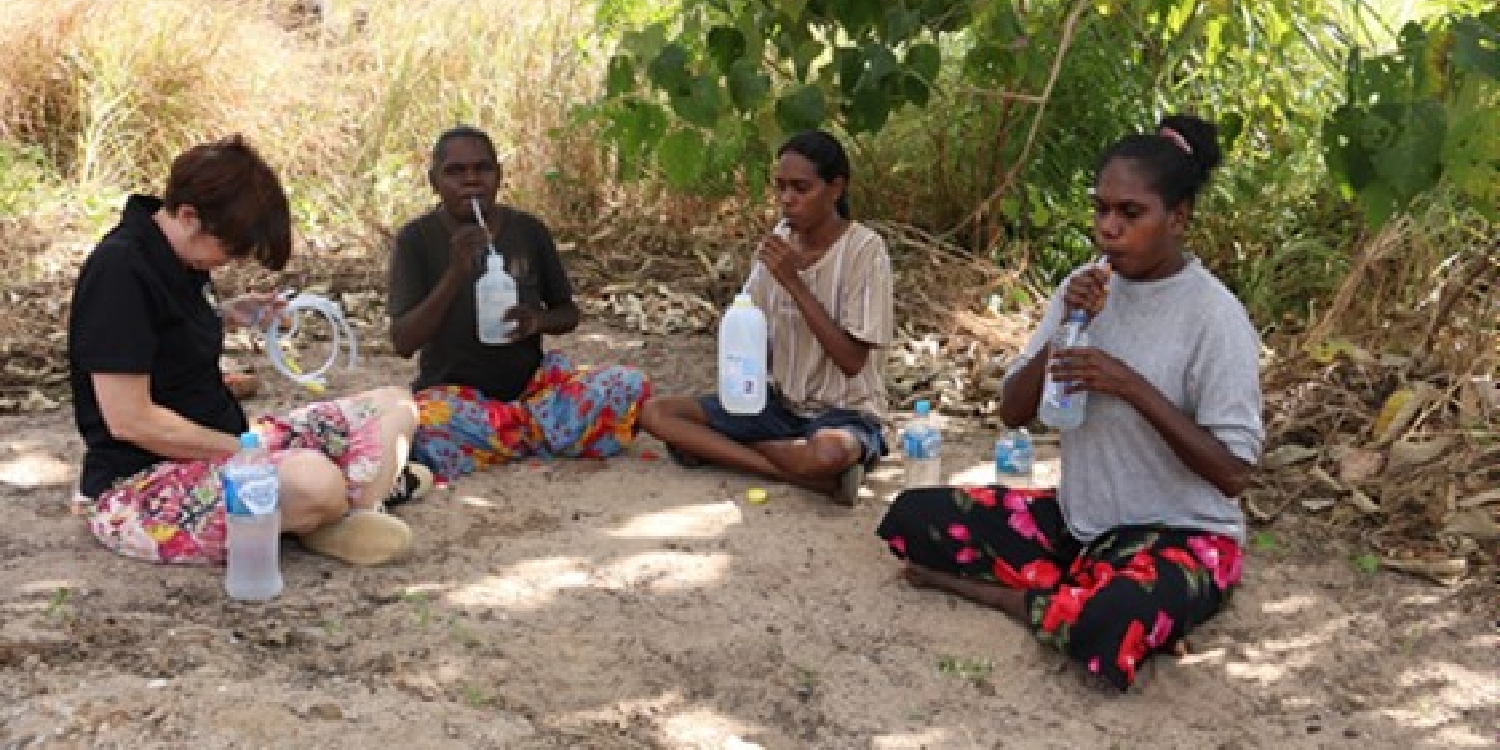
Physiotherapist Philippa Cotter teaching bottle PEP in Maningrida to three people.
INMOTION 01 May, 2024

Strong Lungs website for chronic lung conditions

RECONCILIATION Physiotherapists Caroline Nicolson and Annemarie Lee discuss the development of the Strong Lungs website, a culturally safe online physiotherapy resource on chronic lung diseases for Aboriginal and Torres Strait Islander people in the Northern Territory.

The developers of Strong Lungs acknowledge and pay respect to the Kunibidji and Larrakiah people—the traditional owners of the lands on which we filmed.

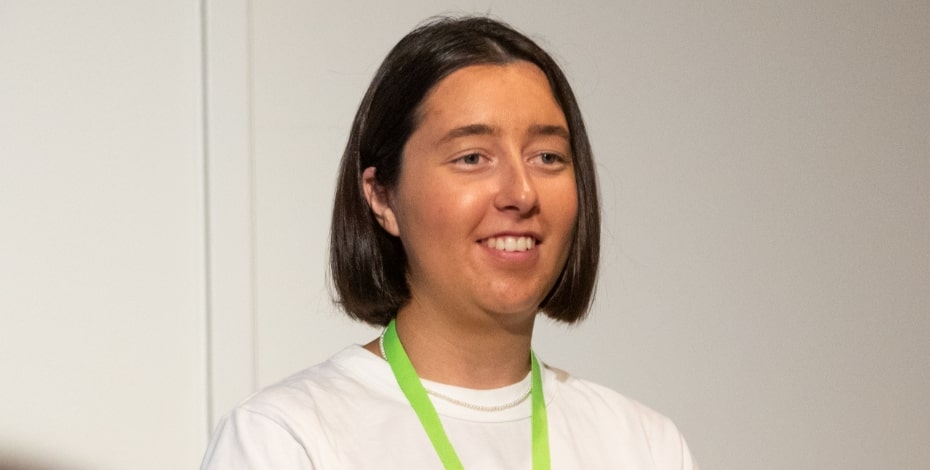
A woman with dark hair in a bob, wearing a white shirt. She has a green lanyard around her neck.
INMOTION 01 Mar, 2024

Culturally appropriate arthritis education resources for Aboriginal people

The first culturally appropriate education resources for Aboriginal and Torres Strait Islander people with arthritis have been developed, in a process based on community engagement and a co-design approach. Researcher Brooke Conley talks about the Staying Moving, Staying Strong project.

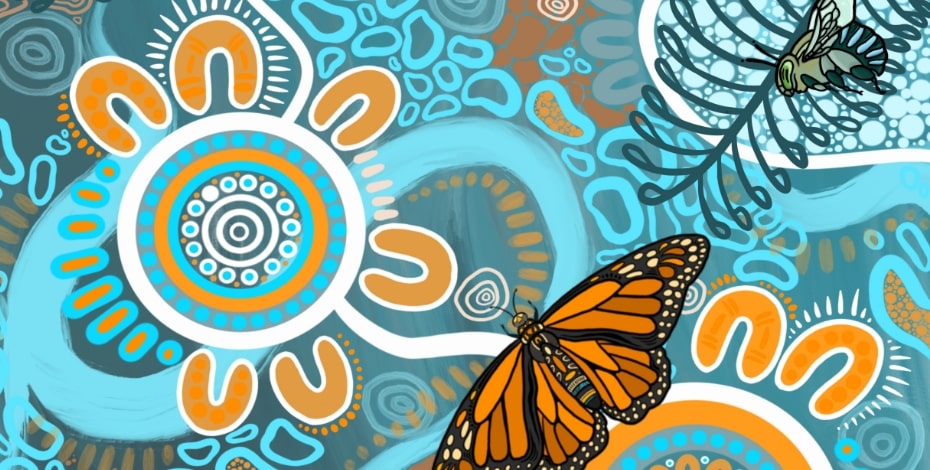
The image is an Aboriginal artwork featuring concentric circles of dots and solids in blue, white and mustard. U-shapes surround the circles and the background is filled with swirls, dots and small concentric circles. Orange butterflies, green flies and ferns overlay the image.
INMOTION 01 Mar, 2024

Co-design for Aboriginal and Torres Strait Islander healthcare and research

There is a growing tendency to use co-design to develop programs and projects for healthcare issues that affect Aboriginal and Torres Strait Islander people and communities. Aboriginal and Torres Strait Islander and other researchers talk about why co-design is important and how to get the most out of it.

Co-design is a partnership approach that involves shared decision-making between people with lived experience and stakeholders with professional expertise.

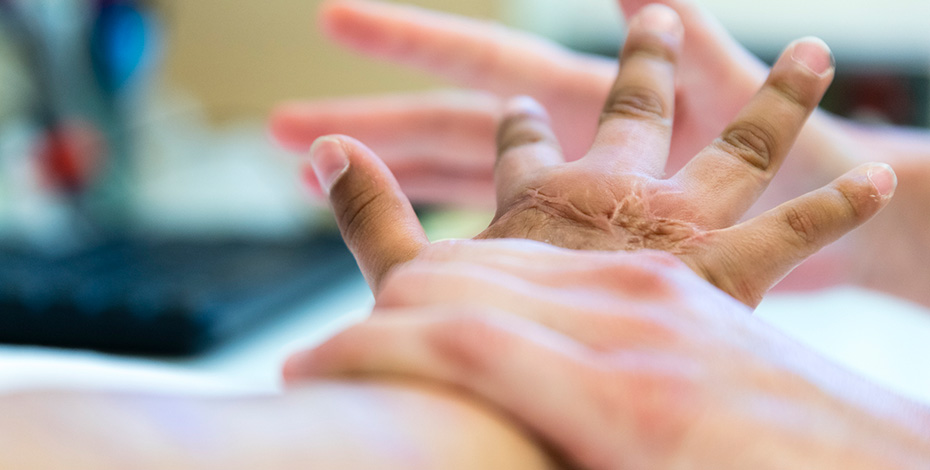
A therapist's hands hold the hands of a patient with burns and scarring.
INMOTION 01 Aug, 2023

Delivering burns rehab by telehealth

Burns researcher and physiotherapist Anita Plaza talks about a recent study comparing telehealth with in-person rehabilitation services for patients with burn injuries.

Physiotherapist-directed exercise is a key component of burns rehabilitation, helping to reduce scar contracture and improve range of motion, muscle strength, exercise capacity and quality of life.

‘Our main role as physiotherapists is to try to improve movement in general. 

A road winds through a country landscape, with fields on one side and trees on the other. A yellow road sign has an image of a mortarboard cap on it. The background has been converted to a sketch.
INMOTION 01 Jun, 2023

Putting regional physios first

Starting a new physiotherapy program in Victoria’s Gippsland region has given Federation University the opportunity to work closely with the local community to design a program that has a distinct regional focus, while still providing students with a well-rounded foundation in physiotherapy. The program offers challenges and opportunities to both students and educators.

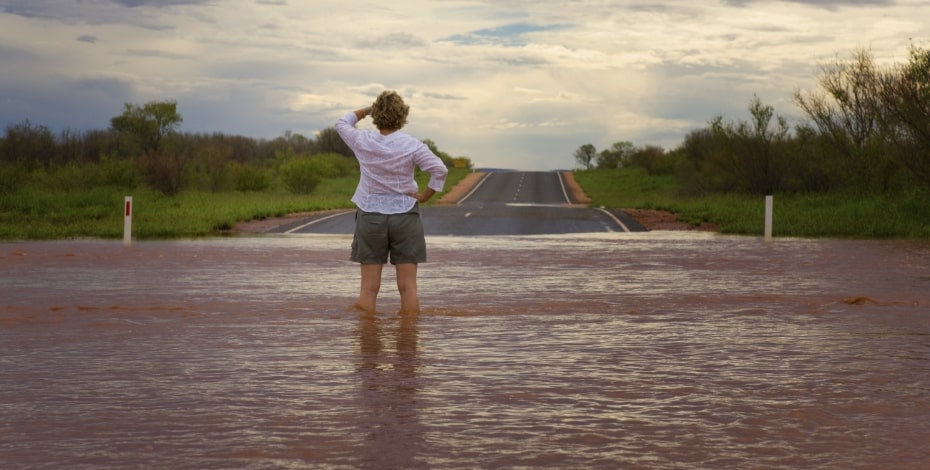
A woman in shorts is standing on a muddy flooded road and looking into the distance.
INMOTION 01 Jun, 2023

The rural voice

Australians in regional areas have difficulty accessing physiotherapy services compared to their urban counterparts. A rural perspective is needed if we are to make healthcare more equitable. 

Over seven million Australians live outside of major metropolitan centres. 

The vastness of our nation and its population density and distribution mean that we have to address issues differently in rural Australia. 

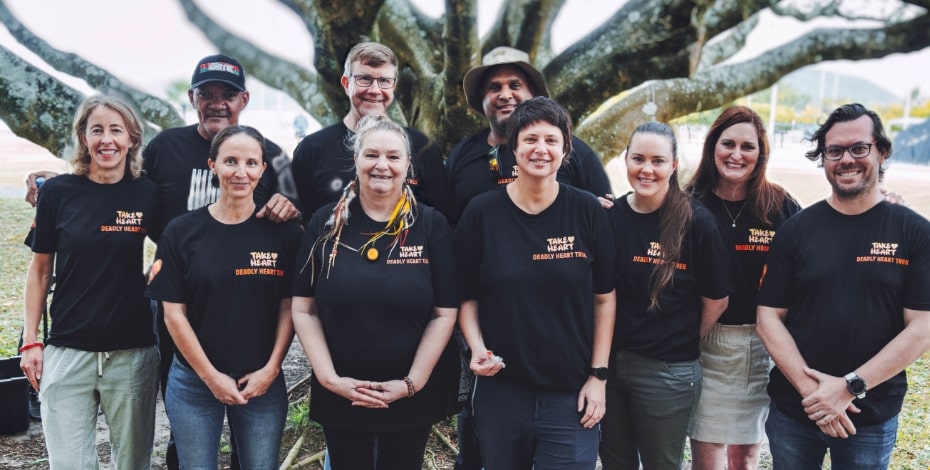
A group of ten men and women wearing black T-shirts with the Deadly Heart Trek logo over the heart stand in front of a large tree.
INMOTION 01 Dec, 2022

Trekking to end RHD

Physiotherapist and researcher Carl Francia joined the Deadly Heart Trek in the quest to raise awareness and prevent Aboriginal and Torres Strait Islander children from developing rheumatic heart disease. 

Earlier this year, physiotherapist and researcher Carl Francia APAM joined the Deadly Heart Trek, a two-week-long visit to remote Queensland Aboriginal and Torres Strait Islander communities to provide education, screening and treatment for rheumatic heart disease (RHD).

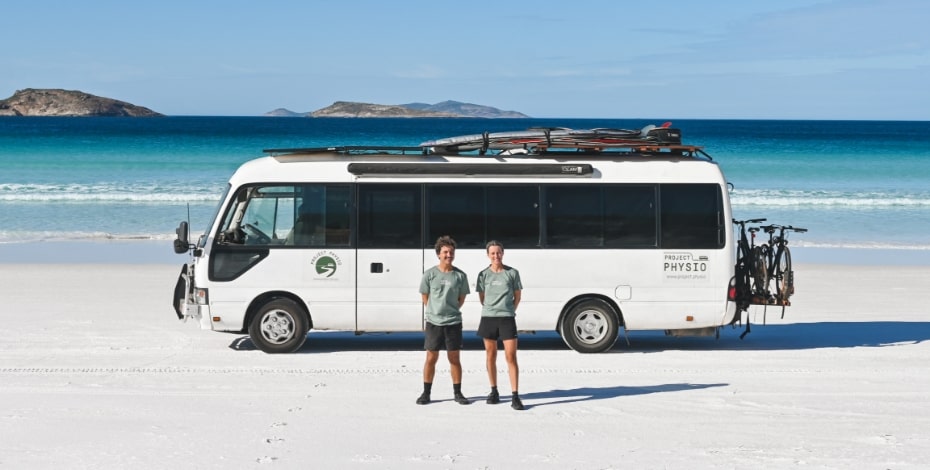
Two physios stand in front of a large van on the beach.
INMOTION 22 Jul, 2022

Driving change in rural communities

Packing in your day job and hitting the open road for a life of travel, sunshine and surfing sounds like a dream to many. Clare Austin and David Dimech have taken that one step further and turned their dream into a working holiday and the creation of a successful business model to help clients in rural and remote areas of Australia.

While working as physiotherapists in Wollongong, south of Sydney, Clare Austin APAM and David Dimech APAM would often chat about their shared dream of travelling across Australia.