
Chronic health and disability

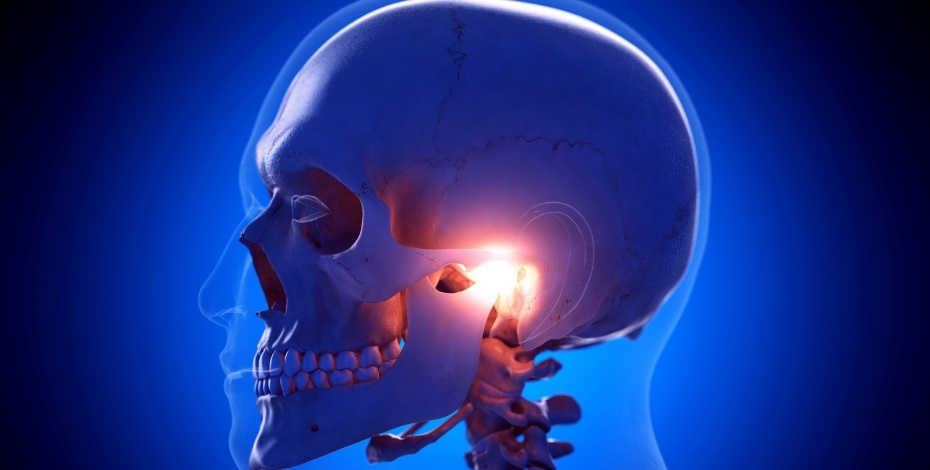
Graphic representing temperomandibular disorder
INMOTION 28 Aug, 2026

First-line management of TMDs

Researchers are looking at the factors infl uencing the community’s use of physiotherapy services for management of temporomandibular disorders.

Dr Alana Dinsdale APAM started working clinically in 2012, predominantly in the musculoskeletal space, but didn’t initially think about getting into research.

However, after treating many patients with neck problems, and particularly temporomandibular disorders (TMDs), she realised there was a gap in the research for TMDs from a physiotherapy rehabilitation perspective.

Physiotherapist working with a patient wearing a leg brace
INMOTION 28 Aug, 2026

Building knowledge through research

Explore some of the latest research from the July issue of the Journal of Physiotherapy.

Smallest worthwhile effect of ACL reconstruction

A group of Australian researchers conducted a benefit–harm trade-off study to estimate the smallest worthwhile effect of anterior cruciate ligament reconstruction plus rehabilitation – compared with rehabilitation only – for improving knee function and return to sport. First author Fahd Dibsh agreed to answer some questions about the study. 

Physiotherapist talking with a patient
INMOTION 26 Aug, 2026

Intervention for chronic low back pain

NeuRA’s RESOLVE-D trial is seeking experienced physiotherapists across Australia to deliver a new intervention for chronic low back pain, with training and sessions fully remunerated.

Chronic low back pain (CLBP) remains one of the leading causes of disability worldwide.

In Australia, it is the most common chronic condition among people aged 45 to 64, affecting almost four million people.

Current treatments show only small to moderate effects and these are usually short-lived.

Patients in an urgent care waiting room
INMOTION 31 Jul, 2026

Primary contact physiotherapy in urgent care

A recipient of a 2025 Pat Cosh Trust Strategic Grant is evaluating primary contact physiotherapy in a state-funded Victorian Urgent Care Clinic.

Urgent Care Clinics (UCCs) have become a vital hub for delivering quality healthcare, taking pressure off emergency departments (EDs) across Australia. 

To date, little research had been carried out on the role that primary contact physiotherapists (PCPs) play in UCCs. 

A patient being helped by a physiotherapist
INMOTION 30 Jul, 2026

Research discoveries

Read up on some of the latest research from the July issue of the Journal of Physiotherapy..

MOTOR RECOVERY AND REHABILITATION AFTER STROKE 

Researchers from Australia, the USA and the Netherlands summarised five years of research into motor recovery and rehabilitation after stroke. Two of the authors, Dr Emily Dalton and Associate Professor Natalie Fini, agreed to answer some questions. 

A graphic of the brain with connections
INMOTION 01 Jul, 2026

Five facts about physiotherapy and neuropathic pain

The International Association for the Study of Pain named 2026 as the Global Year for Neuropathic Pain. Zoë Harper, Karri Field and Cameron Dickson of the APA Pain national group present five discussion points about this condition.

A physiotherapist talking to a patient.
INMOTION 26 Jun, 2026

Asking first

Belinda Stephens argues that community voice must drive physiotherapy’s next step in chronic disease care.

We are a profession that takes evidence seriously and rightly so. The body of research underpinning physiotherapy practice is robust, growing and genuinely impressive. 

From pain neuroscience to exercise prescription, manual therapy protocols to chronic disease self-management, we have developed a sophisticated clinical toolkit, one grounded in decades of rigorous investigation, peer review and outcome measurement. 

A patient's knee is examined by a therapist as if he is in pain.
INMOTION 26 Jun, 2026

Collective approach takes the sting out of pain management

Alongside the physical symptoms of persistent pain, there often come years of frustration, fear of movement, conflicting advice, unsuccessful treatments and a growing loss of confidence in the body. For physiotherapists, helping people navigate that complexity can be one of the most challenging – and rewarding – areas of clinical practice.

Physiotherapist Matthew Ash APAM has spent much of his career working with people whose pain persisted long after an injury should have healed. 

A health professional holding a patient's hands
INMOTION 26 Jun, 2026

Insights from people with Parkinson’s disease

Recent qualitative research has explored some of the barriers to accessing allied health interventions for people with Parkinson’s disease.

Across the globe, there is an increasing prevalence of Parkinson’s disease (PD), which has motor and non-motor symptoms such as bradykinesia, cognitive impairment and anxiety, seriously affecting quality of life.