First Nations

The pain revolution is coming
INMOTION 31 Dec, 2021

The pain revolution is coming


For more than 25 years Lorimer Moseley has been investigating pain in humans. His long and distinguished career has him frequently travelling the world educating the medical field and consulting government and industry bodies on pain sciences.


On the eve of the launch of his national Pain Revolution Rural Outreach Tour, Lorimer will be the keynote speaker at Tasmania’s 2019 Annual Symposium, with the topic: Movers and  Shakers: Physiotherapy and the Pain Revolution.
Pilot program highlights importance of cultural competence
INMOTION 31 Dec, 2021

Pilot program highlights importance of cultural competence


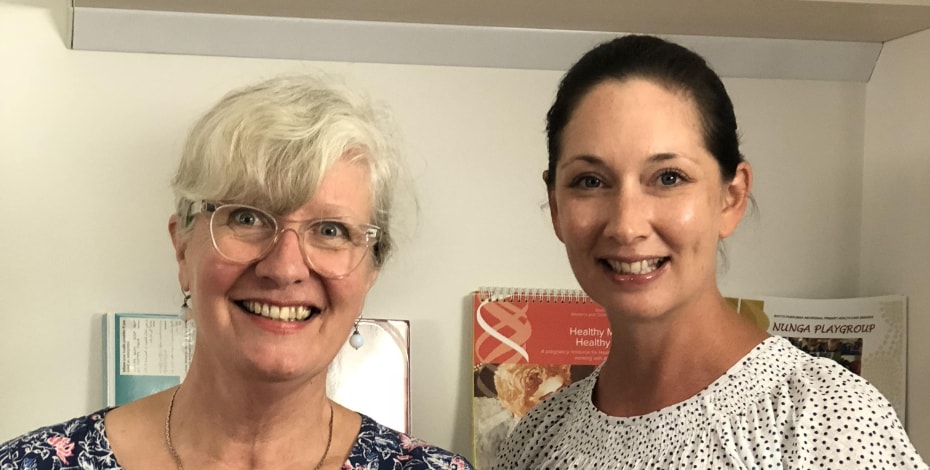
A redesign of a physiotherapy session that educates women on how to self-manage back/pelvic pain—and associated marketing collateral—is resulting in increased engagement and an uptake in services among Aboriginal and Torres Strait Islander women at the Women’s and Children Health Network.

INMOTION 31 Dec, 2021

Students reap the rewards


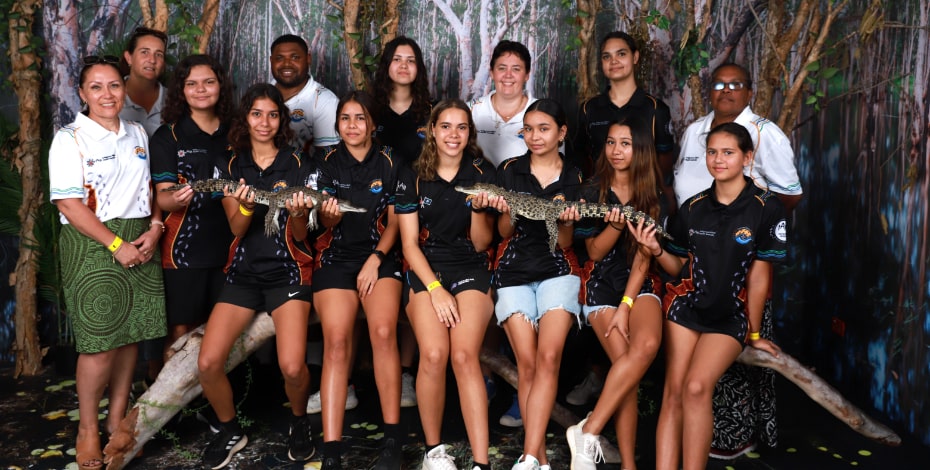
Enhancing cultural and professional connections has been the motivation behind selecting a group of 12 Aboriginal physiotherapy students to receive bursaries to attend the recent APA – NEXT Conference in Hobart. Melissa Mitchell reports.

Teaming with physio is a slam dunk
INMOTION 31 Dec, 2021

Teaming with physio is a slam dunk


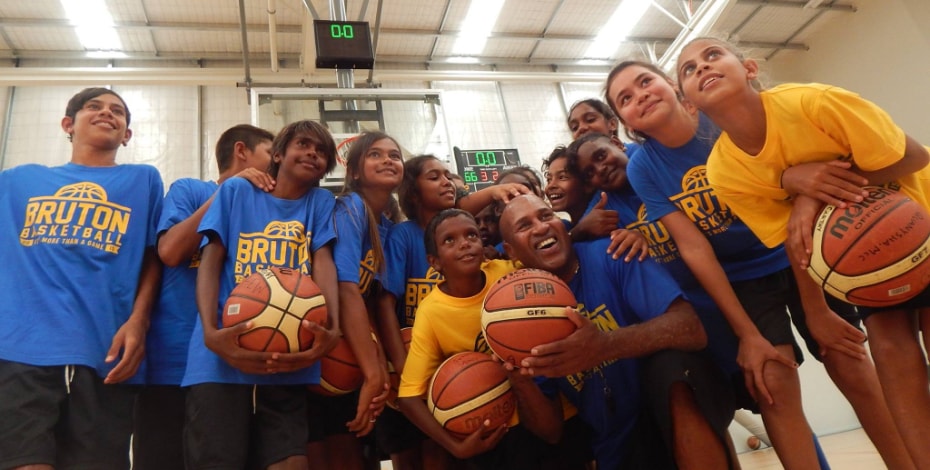
After an illustrious career in elite-level basketball playing and coaching in the National Basketball League, Cal Bruton took his skills on the road to the Australian outback, running basketball clinics for Aboriginal and Torres Strait Islander children in remote parts of the country. Now he’s looking for support from those he credits with extending his playing career—physiotherapists. Melissa Mitchell reports.

Improving care for Aboriginal stroke survivors
INMOTION 01 Nov, 2021

Improving care for Aboriginal stroke survivors


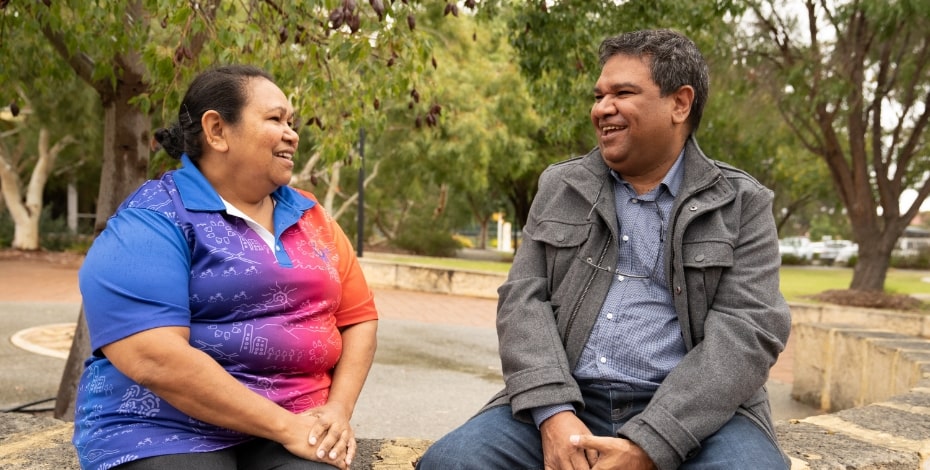
Western Australia’s Healing Right Way clinical study focuses on improving outcomes for Aboriginal survivors of stroke and brain injuries by increasing the cultural security of rehabilitation services and by keeping brain injury survivors in touch with those services.


A large Western Australian study has developed a new model for support of Aboriginal stroke and brain injury survivors, ensuring they don’t slip through the cracks once they leave hospital.

Cameron Edwards and the bridge crossing to Reconciliation
INMOTION 01 Oct, 2021

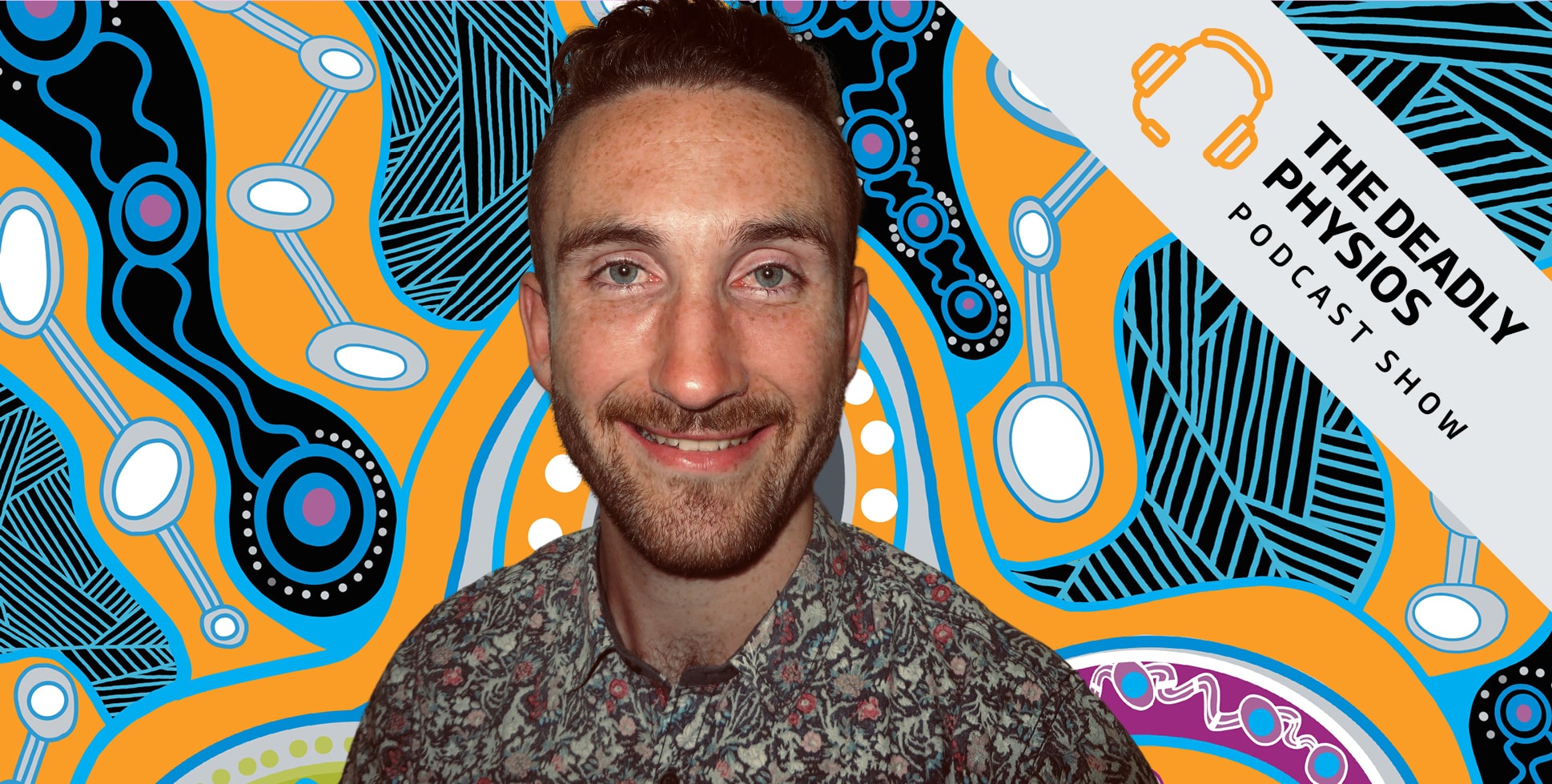
Cameron Edwards and the bridge crossing to Reconciliation

Click here to listen to the podcast. 


Building a path towards a brighter future
INMOTION 01 Oct, 2021

Building a path towards a brighter future


As the chief executive officer of Indigenous Allied Health Australia, Donna Murrray has been driving change for the betterment of Aboriginal and Torres Strait Islander people for more than two decades. But she explains that there is still much work that needs to be done, especially when it comes to racism in Australia.

Planning to take action
INMOTION 01 Sep, 2021

Planning to take action


Building strong relationships is at the core of any Reconciliation Action Plan. Nell Angus and Carl Francia elucidate the power of collaboration to create Reconciliation across the country.


‘Aboriginal and Torres Strait Islander people don’t need to reconcile with themselves.


It’s actually the non-Indigenous people who have to do the heavy lifting,’ says Nell Angus.


‘We have to educate ourselves.


We have to think about power and authority, how decisions are made and the governance of our country.