Injury and rehabilitation

Research brief
INMOTION 31 Dec, 2021

Research brief


PHYSIOTHERAPY EVIDENCE DATABASE A trial found physiotherapy is as effective as arthroscopic menisectomy for knee pain with non-obstructive meniscal tears.


Arthroscopic partial meniscectomy is among the most frequently performed procedures in orthopaedic surgery. This trial is consistent with current consensus that surgery should not be first line treatment in middle-aged and older people with meniscal tears.

Members of RNSH emergency department
INMOTION 31 Dec, 2021

Managing back pain in an ED


Over the past two years, Royal North Shore Hospital (RNSH) emergency department has introduced an advanced practice physiotherapy service, utilising an evidence-based pathway to improve the clinical management of acute back pain.

Award recognises work from fracture to function
INMOTION 01 Dec, 2021

Award recognises work from fracture to function


Queensland-based Princess Alexandra Hospital is the recipient of the inaugural Golden Hip Award. A conversation with Brett Baxter about what the award means for the hospital and the profession more broadly.


For some time the Australian and New Zealand Hip Fracture Registry (ANZHFR) steering committee had been looking for a way to acknowledge services providing exemplary care to patients with a fractured neck of femur (NOF).


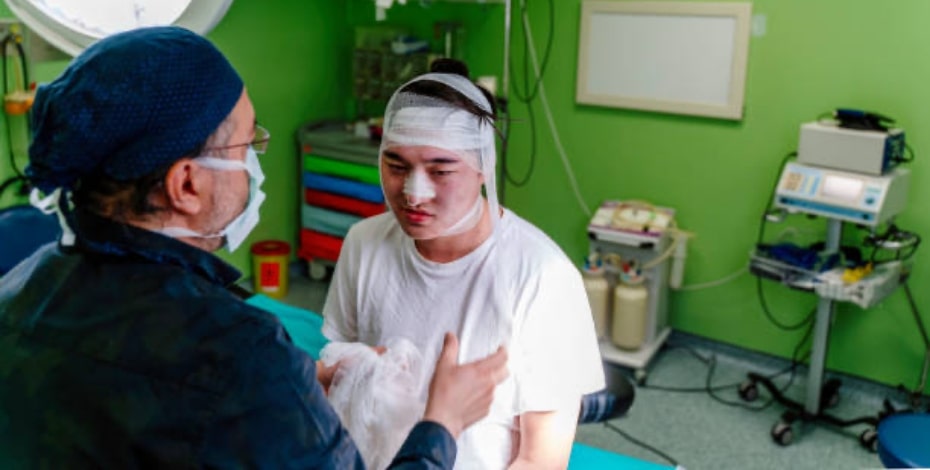
Trauma rehabilitation and the Transmural Trauma Care Model
INMOTION 01 Dec, 2021

Trauma rehabilitation and the Transmural Trauma Care Model


A mixed-methods study looked at the implementation of the Transmural Trauma Care Model. Q&A with Suzanne Wiertsema.


Your study looks at how we can better manage adults after trauma. Why is this such an important issue?


Since mortality after severe trauma decreased with the development of specialised trauma centres, the focus of trauma care has shifted from reducing mortality to improving trauma patients’ health-related quality of life.

Physiotherapy and spinal cord injury
INMOTION 01 Oct, 2021

Physiotherapy and spinal cord injury


APA Neurology group members Brooke Wadsworth, Danielle Ferguson and Christine Rimmer present five facts about physiotherapy interventions for spinal cord injuries.


1. Airway clearance is essential for people with cervical or thoracic spinal cord injury


Respiratory complications remain the most common cause of mortality following spinal cord injury (SCI).


The ability to breathe deeply and cough forcefully is impaired to varying degrees depending on the level and completeness of the SCI.

High-value care following ACLR
INMOTION 01 Oct, 2021

High-value care following ACLR


Scott Wilson details the application of recommendations based on the best available practice guidelines in the case of a female adolescent presenting nine months after anterior cruciate ligament reconstruction.


The annual incidence of anterior cruciate ligament reconstruction (ACLR) in Australia has risen 43 per cent from 2000 to 2015 and by 74 per cent among those under the age of 25 (Zbrojkiewicz et al 2018).

Mixed headache presentation with neck pain
INMOTION 01 Jul, 2021

Mixed headache presentation with neck pain


Harry Truong presents a case study of a 42-year-old patient with a mixed headache presentation and neck pain and details the biopsychosocial approach to treatment.


Headaches are a common condition, affecting 47 per cent of the global population with a lifetime prevalence estimated to be more than 90 per cent (Stovner et al 2007).


Headaches can negatively affect a person’s quality of life and functional capacity.

Facing challenges in a time of flux
INMOTION 01 Jul, 2021

Facing challenges in a time of flux


The professional indemnity insurance market experiences fluctuations driven by demand and supply. But how has this changed during the coronavirus pandemic and what will it mean for physiotherapists? BMS Risk Solutions Managing Director Affinity, Shamus Breen, explains.


Changes in the professional indemnity (PI) market in Australia and around the world, which began being felt in 2017 and have continued throughout the global COVID-19 pandemic in 2020–21, are expected to affect a broad range of professions.

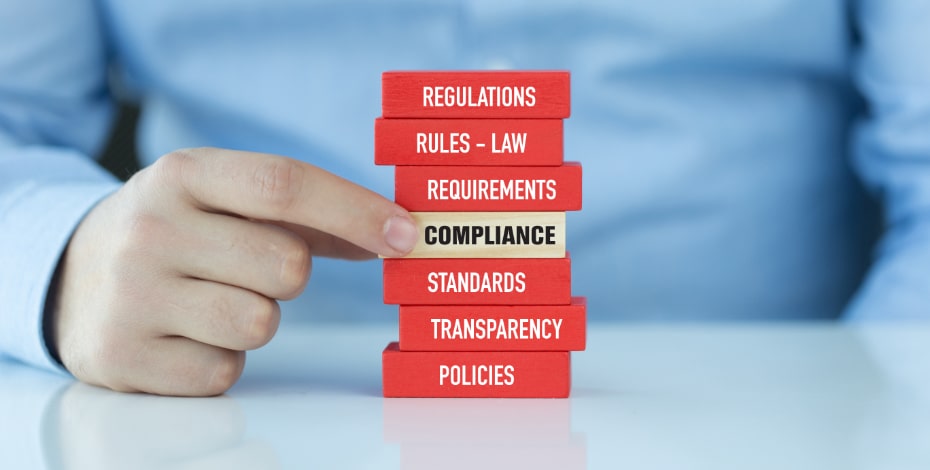
Policies, procedures and the importance of acting reasonably
INMOTION 01 Jun, 2021

Policies, procedures and the importance of acting reasonably


Policies and procedures outlining how to manage workplace conflicts are imperative. These documents are required to provide information and guidance on how to address and resolve workplace relations issues, and can cause issues if not consistently followed.


What are policies and procedures?


Policies and procedures are documents which outline an employer’s expectations of behaviour and conduct of their staff.