Good communication skills improve quality of life for people at or near the end of life, say palliative care researchers Susan Gravier and Katherine Pryde.
Physiotherapy in Australia is more than 100 years old and, over the course of our history, Australian physiotherapists have been global leaders of the profession. This leadership can be seen in our research output, critical thinking, educational theories and practice development—all of which have been outstanding.
Lead author Dr Lucia Cugusi discusses her systematic review on the effects of aquatic exercise on disease severity, (non-)motor impairments, activity performance, fear of falling, and quality of life in people with Parkinson’s disease.
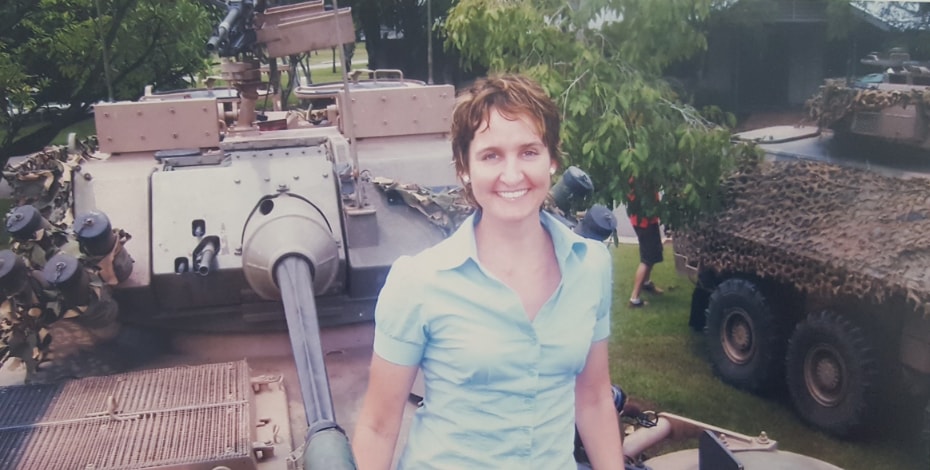
On the advice of a friend, Bernadette Petzel moved from Sydney to Darwin to begin working for the Australian Defence Force. Despite saying she’d only commit to six months at the Top End, it was the start of a dedicated career with the military. Melissa Mitchell reports.
Wayne Rodgers will present ‘Shoulders: simplifying the complex’, a course which aims to provide attendees with a systematic and comprehensive approach to managing a wide range of shoulder dysfunctions.
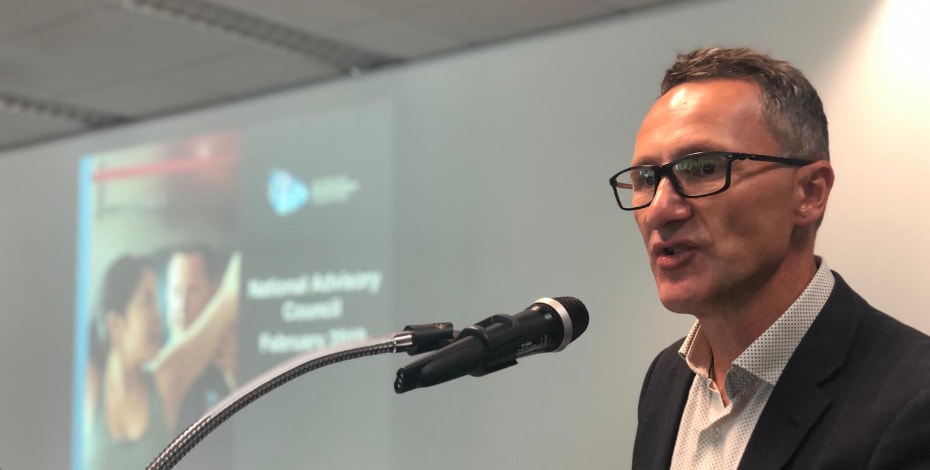
Giving all Australians access to good-quality primary healthcare should form the cornerstone of the nation’s health agenda, the leader of the Australian Greens, Senator Richard Di Natale, believes. But healthcare is the one topic largely being ignored by the major parties heading into this year’s Federal Election, the Senator says.
Addressing a meeting of the National Advisory Council (NAC) at the APA office in Melbourne in late February, the Senator welcomed the invitation to speak and discuss what he considers to be the most pressing healthcare concerns ahead of the poll.
Accurate and clear health records are essential for continuing high- value care of patients and clients. The Physiotherapy Board of Australia (the Board) is reminding physiotherapists about their regulatory obligations to keep good clinical records because concerns can be raised if record keeping falls below par.
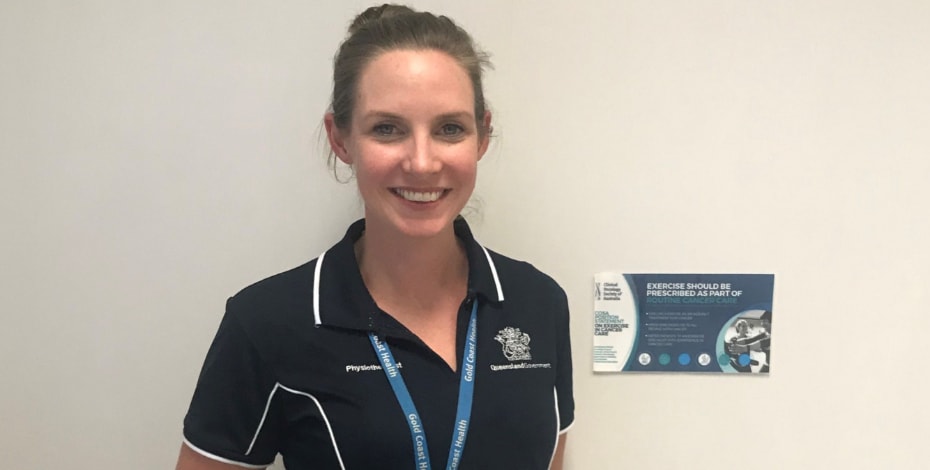
A career interest in cancer care led Tara Redemski to represent her profession in developing the national ‘Venous Thromboembolism Clinical Care Standard’ to prevent patients acquiring the condition process in hospital and following discharge.
The standard is designed to not only minimise venous thromboembolism (VTE) in an at-risk population but also provide positive impact in the delivery of services at a clinical level for physiotherapists.
With an increasing number of new graduate physiotherapists entering the workforce, employment availability and students’ preparedness for what lies ahead will have a significant impact on the profession. In this second of a two-part series, Melissa Mitchell looks at the changing physiotherapy workforce and the impact on private and public sector employment.
In November 2018, the NSW Neurology Physiotherapy group ran a panel discussion about motivation in rehabilitation. The main aim of the evening was to inform physiotherapists what they can do better to help motivate people when they are in rehabilitation. The group hosted the following panellists: Kathryn Millar, Adrian O’Malley, Daniel Wallekers, and John Garbutt.