Women's health

Physical activity in gestational diabetes
INMOTION 31 Dec, 2021

Physical activity in gestational diabetes


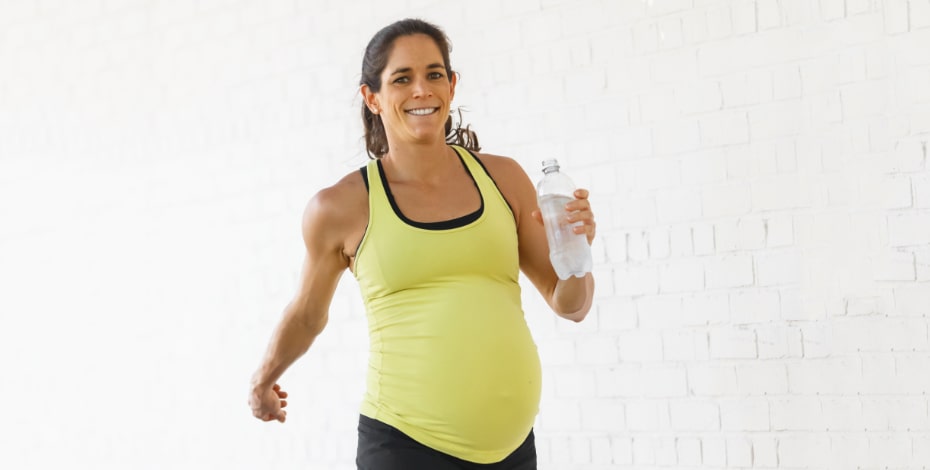
For women with gestational diabetes, provision of an infographic co-created with consumers, in addition to usual education about gestational diabetes, led to worthwhile improvements in both knowledge and self- efficacy about physical activity during their pregnancy. Q&A with Anne Harrison.


You recently published a trial involving women with gestational diabetes mellitus. Why is this an important condition to identify and manage?


Physical activity in gestational diabetes
INMOTION 31 Dec, 2021

Physical activity in gestational diabetes


For women with gestational diabetes, provision of an infographic co-created with consumers, in addition to usual education about gestational diabetes, led to worthwhile improvements in both knowledge and self- efficacy about physical activity during their pregnancy. Q&A with Anne Harrison.


You recently published a trial involving women with gestational diabetes mellitus. Why is this an important condition to identify and manage?

The effectiveness of a biopsychosocial approach
INMOTION 31 Dec, 2021

The effectiveness of a biopsychosocial approach


Chloe Serrao outlines the application of a biopsychosocial approach to manage a case of provoked vestibulodynia and primary onset dyspareunia. 


Dyspareunia, pain with sexual intercourse, is a common female condition, with a rising incidence observed among younger women (Danielsson et al 2003).


Dyspareunia can be the result of a specific disease; however, in the absence of proven infection or pathology, it may be the result of chronic pelvic pain syndrome (CPPS) (Engeler et al 2018).

Urinary incontinence in females
INMOTION 31 Dec, 2021

Urinary incontinence in females


The current July issue of the Journal of Physiotherapy includes an invited topical review on physiotherapy management of urinary incontinence in females. Q&A with Professor Kari Bø. 


How common is female urinary incontinence?


There are several subtypes of urinary incontinence (UI), the three most common in females being stress, urgency and mixed urinary incontinence.

Five facts about … exercise during the child-bearing year
INMOTION 31 Dec, 2021

Five facts about … exercise during the child-bearing year


To coincide with Women’s Health Week 7–11 September, Brooke Dobo and Tory Toogood contribute five evidence- based practice points about the benefits of exercise during and after pregnancy. 


1. Exercise during pregnancy has many benefits to mother and baby


It is recommended that pregnant women perform at least 150 minutes of moderate- intensity exercise per week, as there are many known benefits to mother and baby.

Pelvic organ prolapse with urinary incontinence
INMOTION 31 Dec, 2021

Pelvic organ prolapse with urinary incontinence


Irena Nurkic outlines a case where clinical reasoning, including with the client’s narrative, was used to formulate the diagnoses, which then guided the multidisciplinary team management. 


Pelvic organ prolapse (POP) is defined as ‘clinically evident descent of’ the uterus/cervix (vaginal vault/cuff), anterior and/or posterior vaginal walls or compartments (Haylen et al 2016, p672). POP diagnosis incorporates symptoms and signs, obtained on clinical examination +/– relevant investigations.

Big hitters in the July issue of the Journal
INMOTION 31 Dec, 2021

Big hitters in the July issue of the Journal


Journal of Physiotherapy Editor Mark Elkins provides a summary of some of the main research articles in the next issue of the Journal.


The first paper in the July issue of Journal of Physiotherapy is an invited topical review about physiotherapy management of female urinary incontinence by Professor Kari Bø from Olso, Norway.

Streamlining education on women’s health
INMOTION 31 Dec, 2021

Streamlining education on women’s health


Taryn Hallam, course creator, and Catherine Willis, chair of the Womens, Mens and Pelvic Health group, jointly speak about the revamped Level 1 course for Women’s Health, including the new sub-streams of ‘Women’s Pelvic Health’ and ‘Women’s Health Through the Life-stages’


How is the new Level 1 pathway for Women’s Health different to the original Level 1 Continence and Women’s Health course? 

Chronic abdominal pain and medication misuse
INMOTION 31 Dec, 2021

Chronic abdominal pain and medication misuse


Michelle Wilson outlines the use of a coordinated interdisciplinary telehealth approach to assess and treat complex persistent abdominal pain and manage medication misuse. 


The incidence of chronic pain following caesarean section in Australia is one per cent at 12 months (Liu et al 2013) with risk factors including more intense postoperative pain, perioperative depression and longer surgical time (Jin et al 2016).

Urinary incontinence: don’t just go with the flow
INMOTION 31 Dec, 2021

Urinary incontinence: don’t just go with the flow


People with urinary incontinence often suffer in silence, not knowing who to turn to or how to find help. World Continence Week, 17–23 June, brings into focus the impact that urinary incontinence has on many lives, and why it is important to seek help. This month, InMotion speaks with physiotherapy practitioners, educators and researchers who are the at frontline of change in treating this debilitating condition.


Going public