Workforce

Multiple blue arrows linked by a red circle.
INMOTION 22 Aug, 2022

Common claims against physiotherapists

The APA’s insurance partner BMS and leading health law firm Barry Nilsson highlight four common areas where claims can arise for Australian physiotherapists.

A block image of drawings of various people
INMOTION 18 Aug, 2022

Invest today to support tomorrow’s NDIS workers

Supporting junior or early career physiotherapists working in the National Disability Insurance Scheme (NDIS) space is a rewarding endeavour that is helping to grow the next generation of physiotherapists coming through. Here, several practices owners and operators discuss about how they train and educate new graduates and early career physiotherapists who support people with disabilities through the NDIS.

Three wooden dice with a range of pronouns on them.
INMOTION 28 Jul, 2022

A safe and welcoming space for LGBTQIA+ people

The APA recently convened an LGBTQIA+ advisory panel to increase awareness and inclusivity and advocate for both patients and physiotherapists. Committee chair Megan Ross outlines the committee’s aims and introduces its members.

The APA lesbian, gay, bisexual, transgender, queer, intersex, asexual and other related identities (LGBTQIA+) advisory panel was formed in 2022.

Cartoon of a boardroom table and chairs.
INMOTION 27 Jul, 2022

APA Board welcomes new directors

With solid backgrounds in health economics, policy and government as well as accounting, audit and risk, new APA non-executive directors Leesa Chesser and Ruth Faulkner bring substantial experience to the APA boardroom.

Bringing health economics to the table

Leesa Chesser is a health economist at heart.

At university Leesa trained in health administration and health economics and worked in hospitals before moving into politics.

Blue blocks spelling 'BENEFITS' and red blocks spelling 'RISK' balance on a wooden seesaw.
INMOTION 27 Jul, 2022

Dry needling: balancing benefit and the mitigation of risk

Gillian Sheppard and Scott Shelly of Barry Nilsson discuss a clinical scenario where a patient has suffered adverse results from dry needling treatment and provide some safeguards to prevent this from happening.

Physiotherapists, podiatrists and other allied health practitioners may practise any of the following forms of acupuncture: traditional acupuncture, Western acupuncture and dry needling.

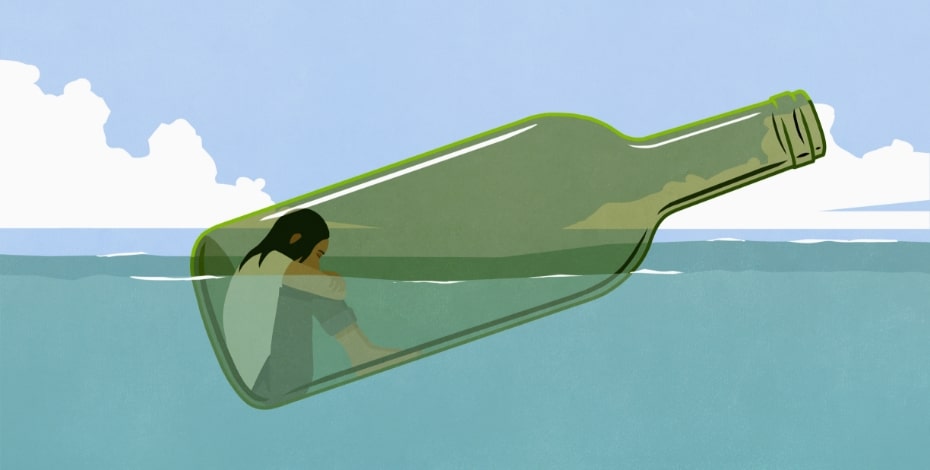
Cartoon of a person sitting with their hands around their knees in a giant glass bottle floating in the ocean.
INMOTION 27 Jul, 2022

Get better outcomes with new mental health course

Co-developers Joanne Connaughton and Susan Edgar discuss the APA’s new online course, which aims to improve identification and increase understanding of common mental health problems.

Who would benefit the most from attending ‘Mental Health Physiotherapy Level 1’?

All physiotherapists would benefit from undertaking the Level 1 course.

A family sitting on the couch: two mums cuddling their baby.
INMOTION 26 Jul, 2022

Parental leave for employees

Eligible employees can take up to 12 months of unpaid parental leave for the birth or adoption of a child. Here are some key factors for employers to consider.

Parental leave eligibility

According to the National Employment Standards, an employee will be eligible for unpaid parental leave if they:

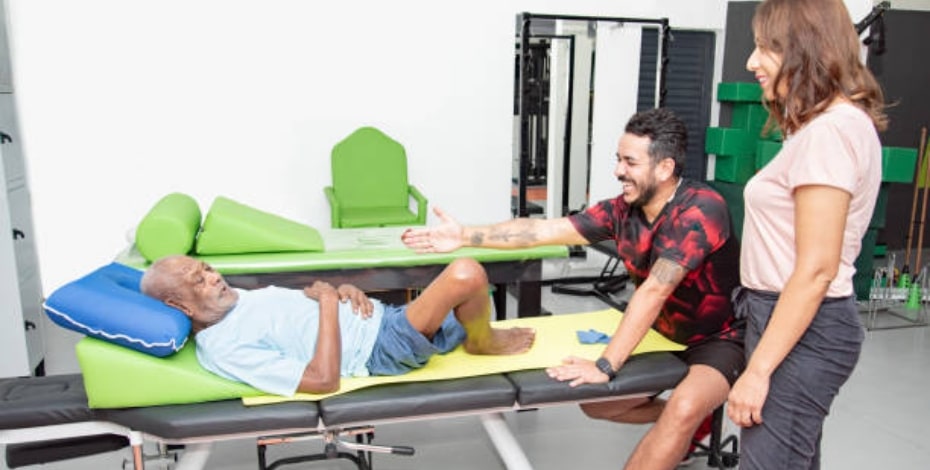
A woman looks on as a physio treats a man lying down.
INMOTION 25 Jul, 2022

An urgent need for physios in care clinics

Let’s talk about Medicare Urgent Care Clinics.

Though the detail is thin on the ground, Labor’s pre-election promise to establish Medicare-funded clinics for semi-urgent care to help clear the decks in hospital emergency departments has created much discussion and speculation.

In 2020–21, 47 per cent of presentations to emergency departments—just over 4 million visits across Australia—were classified as either semi-urgent or non-urgent, meaning they could have been addressed outside a hospital.

Wooden blocks on a desk spell out 'CONDUCT'.
INMOTION 25 Jul, 2022

A revised Code of conduct

A revised Code of conduct shared by 12 health professions, including physiotherapy, has been published. Find out what has changed and what it means for you.

What is the Code of conduct?

The shared Code of conduct sets out the National Boards’ expectations of professional behaviour and conduct for practitioners registered in 12 professions, including physiotherapists.

These expectations promote safe and effective care and help protect the public.

The National Boards use the code to evaluate practitioners’ conduct.

A woman looks at graphs, charts and projections on the wall.
INMOTION 25 Jul, 2022

The important questions

APA General Manager, Policy and Government Relations Simon Tatz explores the crucial role of surveys and feedback in the healthcare sector and asks APA members to help.

Addressing a major conference on mental health, a keynote speaker asked attendees staying at the hotel venue if they had noticed the customer feedback form on the bureau in each guestroom.

Most had.