Pain

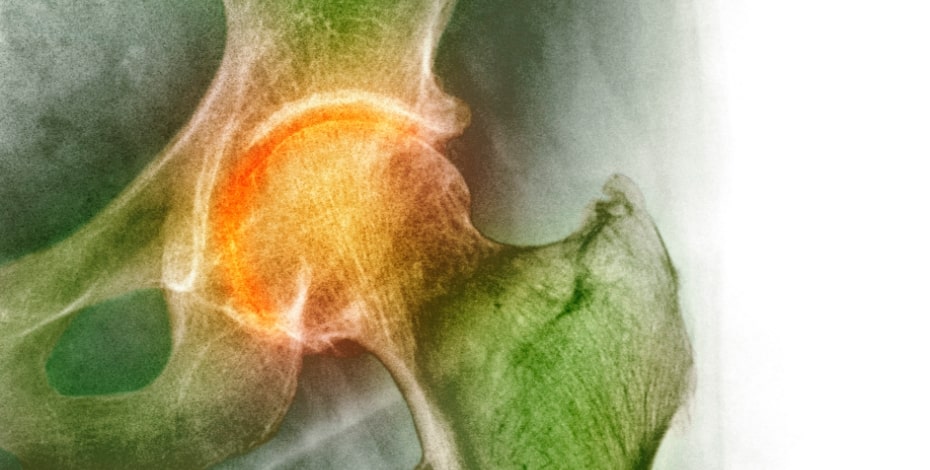
Hip pain progression in younger adults
INMOTION 01 Mar, 2022

Hip pain progression in younger adults


Zuzana Perraton is one of 2021’s PRF Seeding Grant recipients, for a five-year follow-up study of younger people with or at risk of developing hip osteoarthritis. A conversation about the project. 


Most of us think of older people, in their 50s or above, when we think of hip pain and osteoarthritis (OA).


Physios and WorkSafe team up for pain education
INMOTION 01 Mar, 2022

Physios and WorkSafe team up for pain education


WorkSafe Victoria recruited APA pain physiotherapists to help injured workers with complex, persistent pain recover and navigate the system.


WorkSafe Victoria’s pain education pilot program


In April 2020, WorkSafe Victoria launched a pain education pilot program, working with APA titled pain physiotherapists to improve treatment and recovery pathways for injured workers—clients with complex, persistent pain who were being considered for spinal surgery.

Reducing the economic burden of breast cancer-related lymphoedema
INMOTION 01 Mar, 2022

Reducing the economic burden of breast cancer-related lymphoedema


Breast cancer-related lymphoedema (BCRL) is an inflammatory condition resulting in swelling, fibrosis, fatty tissue deposition and infections known as cellulitis (Al-Niaimi & Cox 2009, Mohammad Azhar et al 2020).


‘Lymphoedema, which can be a debilitating sequela to breast cancer treatment, is characterised by an abnormal accumulation of lymph in the arm, shoulder, breast, or thoracic area’ (Fu et al 2009).

Addressing limited pain management education for health practitioners
INMOTION 01 Mar, 2022

Addressing limited pain management education for health practitioners


Pain is recognised as one of the leading causes of disability and disease globally, with the number of people living with pain increasing each year (Vos et al 2017).


Despite the need for skilled health practitioners to address the growing burden of pain, there is generally limited pain management content in health practitioner education at all levels worldwide.

Wei-Ju Chang—The greedy researcher
INMOTION 01 Feb, 2022

Wei-Ju Chang—The greedy researcher

Click here to view the podcast. 


Making sense of complex pain
INMOTION 01 Feb, 2022

Making sense of complex pain


Matthew Forster presents a uniquely complicated case of complex regional pain syndrome to highlight the heterogeneity of the condition and the effectiveness of therapeutic interventions when significant biopsychosocial factors are at play.


Complex regional pain syndrome (CRPS) is a condition characterised by a constellation of pain, sensory, autonomic, motor and trophic symptoms.


It can occur following trauma/injury (CRPS-1) or following injury or disease of the peripheral nervous system (CRPS-2).

Physiotherapy care for knee osteoarthritis
INMOTION 31 Dec, 2021

Physiotherapy care for knee osteoarthritis


What are the experiences of physiotherapists delivering care for people with knee osteoarthritis, and how do these experiences align with the national Clinical Care Standard? Q&A with Rana Hinman and Samantha Teo.


Professor Roberta Shepherd is an APA Honoured Member and an Honorary Professor at Sydney University. She is a pioneer in neurological and paediatric physiotherapy, working throughout her career as an educator and researcher. 

Talk about tricks will be a real treat
INMOTION 31 Dec, 2021

Talk about tricks will be a real treat


Using virtual reality, Tasha Stanton investigates how perceptions of reality can impact recovery from chronic pain.


With the presentation title ‘Perceptual trickery to shape our experiences’, clinical pain neuroscientist Associate Professor Tasha Stanton is sure to hold attention at the November APA Victorian Branch Breakfast.


The clinically trained physiotherapist studies the role that the brain plays in pain, exploring how information from myriad sources can shape a person’s perception of their body and environment.

Acute low back pain
INMOTION 31 Dec, 2021

Acute low back pain


Jon Ford presents a case in which treatment informed by a hypothesis of a nociplastic-dominant pain type was highly effective.


Low-back-pain (LBP) is a common and costly problem in the western world (Hurwitz et al 2018).


Clinical guidelines recommend the identification of red flags and radiculopathy, and in the absence of such features, management of LBP as a ‘non-specific’ condition (Oliveira et al 2018, Foster et al 2018).

Preferences for exercise programs to prevent low back pain
INMOTION 31 Dec, 2021

Preferences for exercise programs to prevent low back pain


People who have experienced low back pain are open to using exercise to reduce their risk of recurrence, but they tend to prefer exercise programs that differ from those programs that are known to be effective. Q&A with Giovanni Ferreira.


Your recent study published in the Journal of Physiotherapy investigated the use of exercise to prevent low back pain from reoccurring. Isn’t it already established that exercise does reduce the risk of recurrence?